

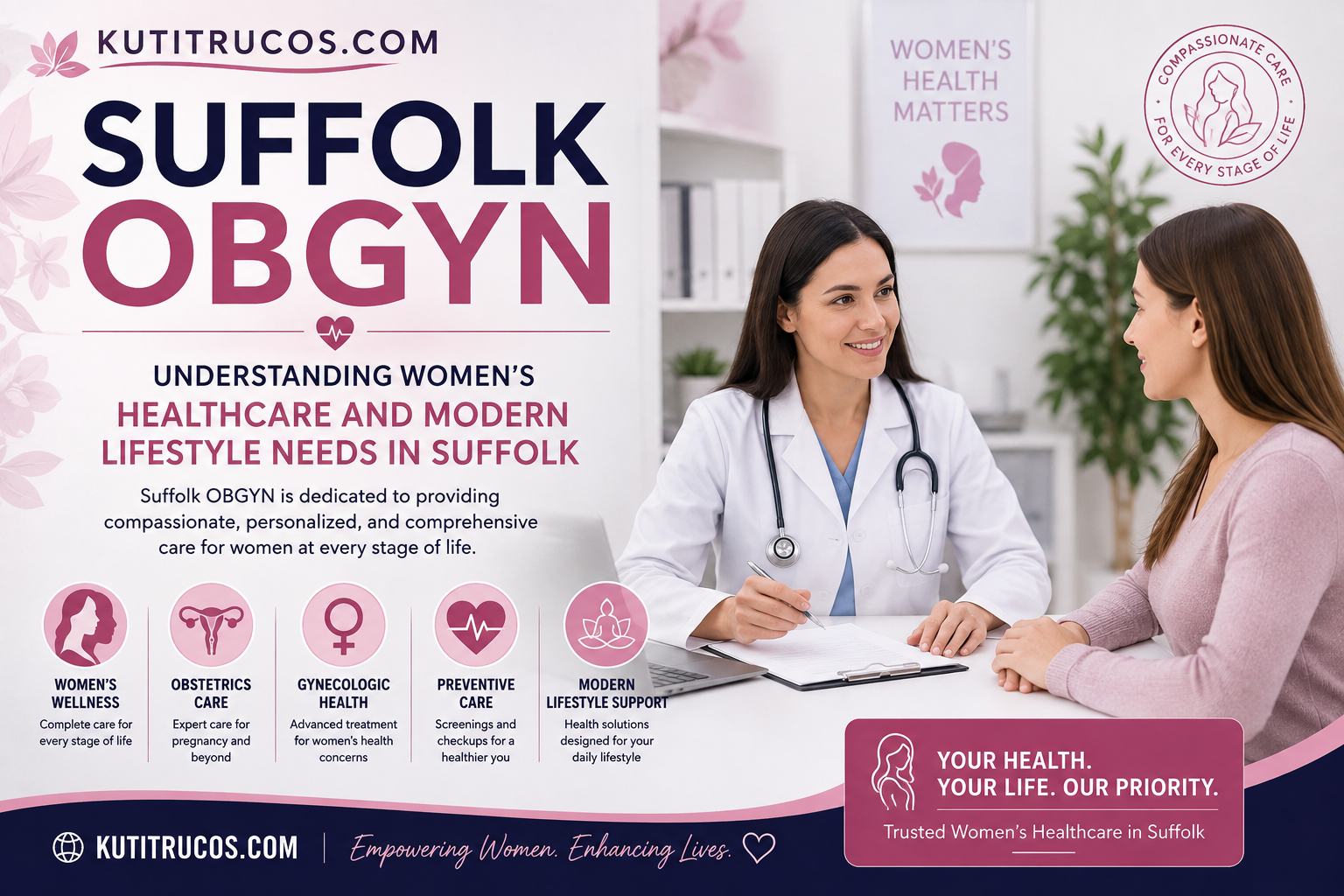
Suffolk OBGYN and the Changing Approach to Women’s Healthcare
Women’s healthcare in the United States has become increasingly focused on personalized care, preventive health, comfort, and informed decision-making. An OBGYN (obstetrician-gynecologist) plays an important role in this process by providing care related to reproductive health, pregnancy, childbirth, and a wide range of gynecological concerns.
For women living in Suffolk and surrounding communities, finding an OBGYN can be an important part of maintaining long-term healthcare. From routine wellness visits to pregnancy care and discussions about changing health needs throughout different stages of life, an OBGYN can become an important healthcare partner.
Although Suffolk OBGYN is a healthcare topic rather than a fashion category, it connects with an important aspect of modern American lifestyle: women increasingly want healthcare experiences that recognize their individual needs, schedules, comfort, and preferences.
What Does an OBGYN Do?
An OBGYN combines two areas of medicine: obstetrics and gynecology.
Gynecology addresses the female reproductive system and related health concerns.
This combination allows women to receive care through different stages of life from a specialized healthcare professional.
Routine Gynecological Care
Routine appointments may include general reproductive health discussions, preventive examinations, and conversations about symptoms or changes that a patient has noticed.
Regular healthcare visits can also provide an opportunity to discuss concerns that may otherwise be overlooked.
Women should communicate openly with their healthcare provider about symptoms, medications, menstrual changes, pregnancy plans, and other relevant health information.
Why Preventive Women’s Healthcare Matters
Preventive healthcare is an important part of modern medicine.
Instead of waiting until a problem becomes serious, regular medical care can help women discuss health concerns early and understand recommended screenings based on their individual circumstances.
The appropriate schedule for examinations and screenings can vary depending on factors such as age, medical history, family history, symptoms, and personal risk factors.
Personalized Healthcare
Every woman has different healthcare needs.
A teenager, a woman planning a pregnancy, a new mother, and someone approaching menopause may require very different conversations with an OBGYN.
This is why personalized care is so important.
Rather than following a one-size-fits-all approach, healthcare providers can consider a patient’s individual circumstances when discussing appropriate care.
Pregnancy Care in Suffolk
Pregnancy can be an exciting but also complex period of life.
OBGYN care during pregnancy typically involves monitoring the health of both mother and baby, discussing lifestyle considerations, and identifying potential concerns.
Prenatal appointments provide opportunities for patients to ask questions and understand what to expect during different stages of pregnancy.
Preparing for Pregnancy
Women considering pregnancy may want to discuss their plans with a healthcare provider before conception.
An OBGYN can help patients understand factors that may be relevant to preconception health and pregnancy planning.
This type of conversation can also provide an opportunity to review existing medications and personal health considerations.
Postpartum Care
Healthcare does not end after delivery.
The postpartum period involves physical and emotional changes, and appropriate follow-up care can help address concerns during recovery.
New mothers may have questions about physical recovery, contraception, breastfeeding, menstrual changes, and other aspects of life after childbirth.
Women’s Healthcare Through Different Life Stages
One of the strengths of OBGYN care is that it can address changing needs over time.
Young women may primarily seek guidance about menstrual health, reproductive health, and preventive care.
Women in their reproductive years may have questions about contraception, fertility, pregnancy, or other gynecological concerns.
Later in life, healthcare conversations may increasingly involve perimenopause, menopause, bone health, and other age-related considerations.
Menopause and Midlife Health
Menopause is a natural stage of life, but symptoms can vary considerably from one woman to another.
Some women experience changes in menstrual patterns, sleep, mood, temperature regulation, or other aspects of daily life.
Speaking with a qualified healthcare provider can help women understand which changes may be associated with menopause and what treatment or management options may be appropriate for their individual situation.
Choosing a Suffolk OBGYN
Choosing an OBGYN is a personal decision.
Location is often important because regular appointments are easier to maintain when a healthcare practice is convenient to reach.
However, convenience should not be the only consideration.
Women may also want to research the provider’s credentials, areas of practice, hospital affiliations where relevant, appointment availability, communication style, and whether the practice accepts their insurance.
Communication and Comfort
Comfort can be especially important in women’s healthcare.
Patients should feel able to discuss sensitive concerns without embarrassment or fear of being dismissed.
A provider who listens carefully and explains medical information clearly can make healthcare appointments more comfortable and productive.
Women can also prepare questions before an appointment to ensure that important concerns are addressed.
The Importance of Medical Records and Health History
A patient’s health history can provide important context for an OBGYN.
Information about previous pregnancies, surgeries, medications, allergies, menstrual history, family history, and previous diagnoses may help a healthcare provider understand the patient’s overall situation.
Keeping personal health information organized can therefore make appointments more productive.
Women who change providers may also benefit from ensuring that relevant medical records are transferred appropriately.
Modern Healthcare and Women’s Lifestyle
Today’s American women often balance work, family responsibilities, education, social activities, travel, and personal goals.
Healthcare needs to fit into these realities.
Flexible scheduling, digital communication, online appointment systems, and accessible medical information have changed how many patients interact with healthcare providers.
However, technology should complement-not replace-the relationship between a patient and qualified healthcare professional.
Convenience in Healthcare
Convenience can make it easier for patients to stay consistent with appointments.
Practices that offer straightforward scheduling and clear communication can help reduce some of the barriers that prevent people from seeking routine care.
At the same time, patients should prioritize the quality and appropriateness of medical care rather than choosing a provider solely because an appointment is convenient.
Questions to Ask During an OBGYN Appointment
Patients often have many questions but may forget them once the appointment begins.
Writing questions down beforehand can help.
Depending on the reason for the visit, questions might include:
- What could be causing the symptoms I am experiencing?
- Which screenings are appropriate for me?
- How often should I schedule routine appointments?
- Are there lifestyle factors I should discuss?
- What should I know if I am planning a pregnancy?
- Which treatment options are available for my particular situation?
- When should I contact the office about new or worsening symptoms?
The specific questions should depend on the individual’s circumstances.
Women’s Healthcare and Personal Well-Being
Modern healthcare is increasingly viewed as part of overall well-being rather than something people seek only when they are sick.
Sleep, nutrition, physical activity, stress management, relationships, and lifestyle can all interact with general health.
An OBGYN may discuss some lifestyle considerations when they are relevant to a patient’s reproductive or gynecological health.
However, medical advice should always be individualized.
Information found online can provide general education, but it cannot replace an examination or professional medical evaluation.
The Importance of Finding Reliable Health Information
The internet has made health information easier to access, but it has also created challenges.
Search results can include reliable medical organizations alongside personal opinions, advertisements, outdated information, and inaccurate claims.
Women researching Suffolk OBGYN services should therefore pay attention to the quality of the information they use.
Healthcare organizations, qualified medical professionals, and reputable medical resources are generally better sources for health-related information than anonymous social media posts.
H3: When to Seek Medical Attention
Women should not rely solely on online research when experiencing symptoms.
Sudden, severe, or unusual symptoms may require prompt medical evaluation.
If a woman is unsure whether a symptom requires urgent attention, contacting a healthcare professional or appropriate emergency service is safer than attempting to diagnose the problem independently.
Building a Long-Term Relationship With an OBGYN
Healthcare can become more effective when patients feel comfortable communicating with their providers over time.
An ongoing relationship allows the provider to become familiar with relevant medical history and changing healthcare goals.
This can be particularly valuable during major life transitions such as pregnancy, postpartum recovery, contraception changes, or menopause.
Trust and communication are important components of that relationship.
Patients should feel comfortable asking questions, requesting explanations, and discussing concerns about proposed care.
Final Thoughts
Suffolk OBGYN services represent an important part of women’s healthcare in the United States, providing specialized care across many stages of life. From routine gynecological visits and preventive healthcare to pregnancy and postpartum support, an OBGYN can play an important role in helping women understand and manage their healthcare needs.
Choosing the right provider involves more than simply finding the closest office. Factors such as professional credentials, areas of expertise, communication, accessibility, insurance considerations, and personal comfort can all matter.
Women should also remember that healthcare needs change over time. The concerns of a young adult may differ greatly from those of someone planning a family or experiencing menopause. Personalized conversations with a qualified healthcare professional can help ensure that care is appropriate for the individual.
For anyone researching Suffolk OBGYN, the most important step is to use reliable medical information and communicate openly with a qualified healthcare provider. Online articles can provide general education, but they should not be used as a substitute for personalized medical advice.
Ultimately, modern women’s healthcare is about more than treating individual problems. It is about building informed, respectful, and long-term healthcare relationships that support women through the many different stages of life.

