

Introduction
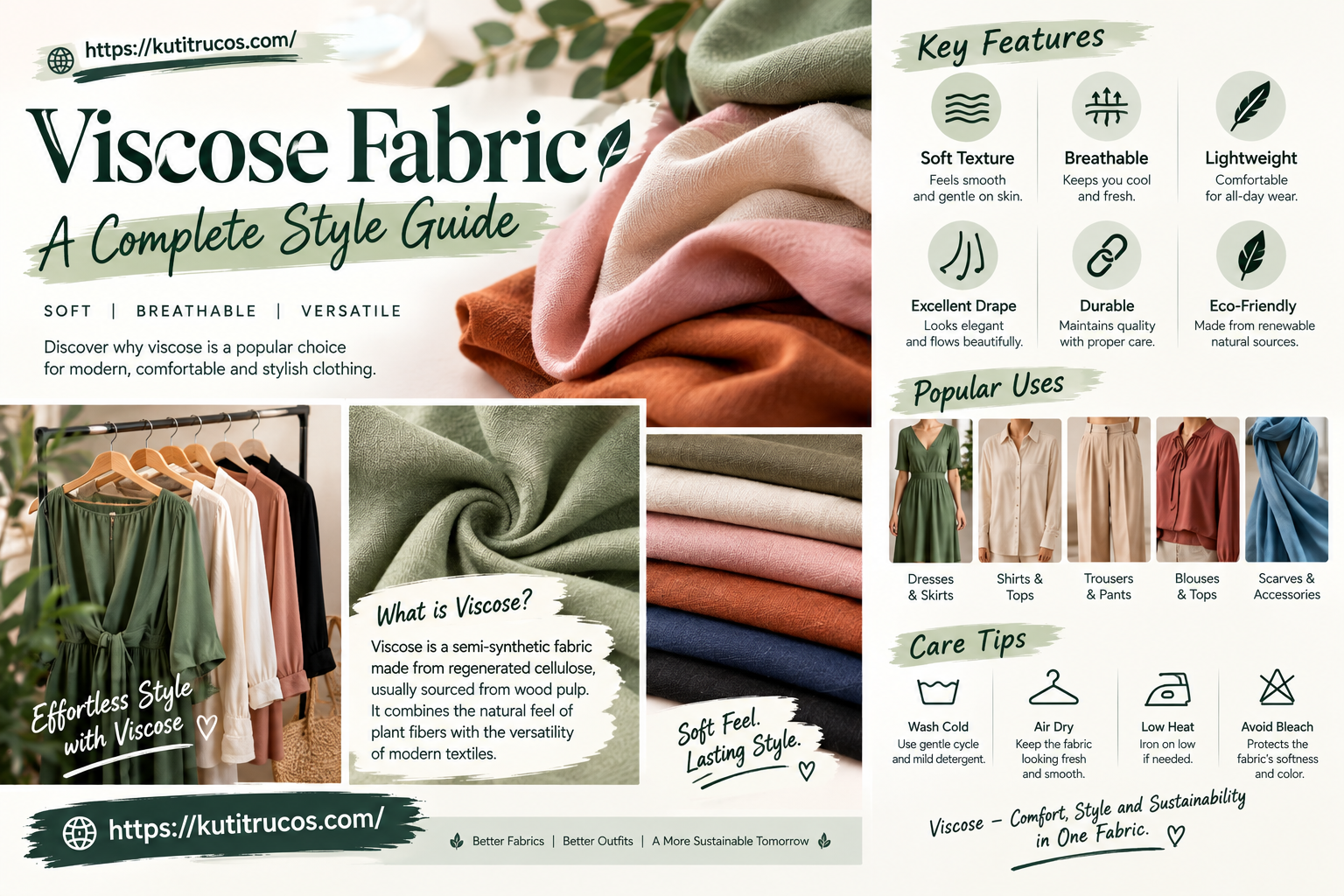
Choosing the right fabric can make a significant difference in how clothing feels, looks, and performs throughout the day. Some materials are valued for their durability, while others are appreciated for their softness, breathability, or elegant appearance. Viscose is a popular textile that offers a smooth texture and fluid drape, making it a common choice for dresses, shirts, trousers, skirts, and many other clothing items.
Often associated with rayon, viscose is a manufactured fiber made from regenerated cellulose, usually obtained from wood pulp or other plant-based sources.
From lightweight summer dresses to flowing evening outfits, viscose appears in many different styles.
What Is Viscose Fabric?
Viscose is a regenerated cellulose fiber used to manufacture a wide variety of fabrics. The cellulose generally comes from plant materials, such as wood pulp, which is processed and transformed into fibers through industrial methods.
Although its raw material originates from plants, viscose is not simply a natural fiber in the same category as untreated cotton or linen. It undergoes substantial chemical processing before becoming a textile fiber.
In many markets, viscose is considered a type of rayon. The terminology can vary by region, but viscose rayon is widely used in clothing and home textiles because of its softness and attractive drape.
Manufacturers can produce viscose in different forms, weights, and finishes. This flexibility allows designers to use it for everything from delicate blouses to heavier woven garments.
Viscose is widely used in elegant outfits because of its soft feel and graceful drape. For formal occasions and special events, it can also be helpful to explore different outfit combinations, such as a gown with a shawl, to create a polished and coordinated look.
How Is Viscose Made?
The production of conventional viscose involves several stages that transform cellulose into a usable textile fiber.
1. Obtaining Cellulose
The process begins with cellulose sourced from suitable plant materials, often wood pulp. The quality and origin of this raw material influence the production process and can also affect the environmental impact of the finished fiber.
2. Preparing the Cellulose
The cellulose is treated with chemicals to prepare it for further processing. During conventional viscose production, this treatment changes how the material behaves and allows it to be converted into a soluble form.
3. Creating the Spinning Solution
The prepared cellulose undergoes additional chemical treatment to create a viscous solution. This solution can then be processed into fine filaments.
4. Forming the Fibers
The solution is pushed through small openings into a chemical bath, where the cellulose regenerates into fibers.
5. Producing Fabric
Once the fibers are ready, they can be spun into yarn and woven or knitted into fabric. Additional finishing processes may be used to achieve particular textures, colors, or performance characteristics.
The manufacturing process can vary between producers. Responsible chemical management, wastewater treatment, and sourcing practices are important considerations when evaluating how viscose is made.
Main Characteristics of Viscose
Soft and Smooth Texture
One of viscose’s most appealing characteristics is its smooth feel. Depending on the weave and finish, the fabric can feel soft against the skin and create an elegant appearance.
This quality makes it suitable for garments designed for everyday comfort as well as more refined outfits.
Excellent Drape
Viscose often falls naturally around the body rather than maintaining a stiff shape. Its fluid movement makes it useful for pleated skirts, loose trousers, flowing dresses, and garments with gathered details.
Designers frequently use it when they want clothing to move gracefully without relying on a heavy fabric.
Comfortable Moisture Absorption
Viscose can absorb moisture, which may help it feel comfortable in warm conditions. However, comfort also depends on fabric thickness, construction, humidity, ventilation, and how closely the garment fits.
A lightweight viscose blouse may feel very different from a thick viscose blend, even though both contain the same type of fiber.
Versatile Appearance
Viscose can be manufactured and finished to resemble several different textile styles. Depending on the construction, it may have a matte surface, a subtle sheen, or a soft, silk-like appearance.
This versatility allows it to work across casual clothing, formalwear, printed garments, and decorative textiles.
Wrinkle Potential
Viscose can wrinkle during wear, washing, and storage. The degree of wrinkling depends on the yarn, weave, fabric finish, and whether other fibers are blended into the material.
Some viscose garments require ironing or steaming to restore a smooth appearance.
Common Types of Viscose Fabric
Viscose is available in several fabric constructions, each offering a different appearance and practical use.
Woven Viscose
Woven viscose is made by interlacing yarns to form a stable fabric structure. It is commonly used for shirts, dresses, skirts, and lightweight trousers.
Its drape and weight depend on the weave. A fine woven fabric may feel airy, while a denser construction can provide more coverage and structure.
Viscose Jersey
Viscose jersey is a knitted fabric that often offers more flexibility than a traditional woven textile. It is frequently used for T-shirts, casual dresses, tops, and comfortable everyday garments.
Some jersey fabrics include elastane to improve stretch and recovery. A jersey containing elastane may behave differently from one made entirely of viscose.
Viscose Crepe
Viscose crepe features a slightly textured surface rather than a completely smooth finish. It is often selected for blouses, dresses, and occasionwear because it combines a flowing appearance with added visual texture.
The exact texture and weight depend on how the fabric is manufactured.
Printed Viscose
Printed viscose is available in floral, geometric, abstract, and other patterns. Because viscose can carry detailed prints, it is often used for expressive seasonal clothing.
Viscose Blends
Viscose is frequently combined with other fibers to balance different characteristics.
- Viscose and cotton: May combine viscose’s drape with cotton’s familiar textile feel.
- Viscose and elastane: Adds stretch and may improve comfort in fitted clothing.
- Viscose and linen: Can combine fluid movement with the distinctive texture of linen.
- Viscose and wool: May be used in fabrics designed for particular weights, finishes, or seasonal applications.
The results depend on the blend percentages and fabric construction, so the fiber composition label is worth checking before purchase.
Popular Clothing Made From Viscose
Viscose Dresses
Viscose is a common choice for dresses because it can create a soft silhouette and fluid movement. Wrap dresses, shirt dresses, maxi dresses, and relaxed summer styles may all be made from this material.
For everyday wear, a simple viscose dress can be paired with sneakers or flat sandals. For a more polished outfit, add a structured bag, suitable footwear, and understated jewelry.
Before buying a lightweight dress, check whether it is lined and whether the fabric becomes more transparent when stretched or exposed to bright light.
Viscose Shirts and Blouses
Blouses made from viscose often have a smooth finish and relaxed drape. They can work for office environments, casual outings, and dinner occasions, depending on their design.
A viscose blouse can be worn with tailored trousers for a professional appearance or paired with jeans for a more relaxed outfit.
Because some viscose fabrics are delicate when wet, follow the manufacturer’s washing instructions to help preserve the garment’s shape.
Viscose Trousers
Wide-leg trousers and relaxed-fit pants frequently use viscose because the material can move naturally while walking.
These trousers can be styled with fitted tops, tucked-in shirts, lightweight knitwear, or simple T-shirts. Heavier fabrics and suitable linings may provide more coverage than very lightweight versions.
When shopping online, review the product’s fabric weight and fit description if available.
Viscose Skirts
Viscose works well for flowing skirts, including pleated and gathered designs. Its drape allows the fabric to move with the body, creating a softer outline.
Pair a printed viscose skirt with a plain top to keep the outfit balanced. A solid-color skirt can also be combined with a patterned blouse for a more expressive look.
Viscose Sleepwear and Loungewear
Soft viscose fabrics are used in pajamas, nightwear, lounge sets, and relaxed home clothing. Their smooth feel can be appealing for garments intended for extended wear.
For these items, check the garment’s breathability, fit, and washing requirements rather than assuming every viscose product will feel equally cool or comfortable.
Advantages of Viscose Fabric
Viscose offers several benefits that make it useful in modern clothing.
Softness: Many viscose fabrics have a smooth, pleasant feel.
Drape: The material can create flowing shapes and graceful movement.
Versatility: It can be manufactured for different garment styles, textures, weights, and finishes.
Moisture absorption: Viscose generally absorbs moisture more readily than conventional polyester, although performance depends on the fabric construction.
Print suitability: It is commonly used for colorful patterns and detailed designs.
Blending options: Manufacturers can combine viscose with other fibers to adjust the properties of the finished fabric.
These advantages help explain why viscose appears across different price ranges and clothing categories.
Disadvantages of Viscose Fabric
Despite its useful qualities, viscose also has limitations.
Sensitivity to Moisture
Conventional viscose can lose strength when wet, making some garments more vulnerable to stretching, distortion, or damage during washing.
This does not mean every viscose garment must be dry-cleaned. Care requirements vary, so follow the label rather than applying one washing method to all products.
Wrinkling
Some viscose fabrics wrinkle easily, particularly lightweight woven varieties. Folding, sitting, and packing can leave visible creases.
Using the recommended ironing or steaming method can help, but excessive heat may damage certain fabrics.
Potential Shrinkage
Viscose garments can shrink if washed or dried incorrectly. High temperatures, unsuitable agitation, and improper drying can affect the fabric’s dimensions.
Check whether the garment requires cold washing, gentle handling, or professional cleaning.
Environmental Concerns
Conventional viscose production can involve hazardous chemicals and resource-intensive processing. Its environmental performance depends on where the cellulose comes from, how forests are managed, whether chemicals are recovered, and how wastewater is treated.
A plant-based raw material does not automatically make a fabric environmentally harmless.
Variable Durability
Viscose can be durable enough for regular clothing when properly manufactured and cared for, but some lightweight versions require more delicate handling than robust cotton or synthetic fabrics.
Fabric quality, yarn construction, and garment finishing all influence how well the material performs over time.
Is Viscose Good for Summer?
Viscose can be a useful option for summer clothing, especially when the fabric is lightweight and the garment allows air to circulate.
Its moisture absorption and fluid drape can make it comfortable for loose dresses, skirts, and shirts. However, the experience depends on the climate and the specific fabric.
In hot, humid conditions, a thick or tightly constructed viscose garment may feel less comfortable than a lightweight, loose-fitting alternative. The garment’s lining, color, and cut can also affect comfort.
For summer shopping, look for breathable construction, a comfortable fit, and clear care instructions. If you prefer fabrics with a more textured and naturally relaxed appearance, linen may also be worth considering.
Viscose vs. Cotton
Viscose and cotton are both used in everyday clothing, but they differ in how they are produced and how fabrics made from them behave.
| Feature | Viscose | Cotton |
| Fiber origin | Regenerated cellulose | Natural plant fiber |
| Typical feel | Often smooth and fluid | Varies from crisp to soft |
| Drape | Often excellent | Depends on weave and weight |
| Moisture absorption | Generally good | Generally good |
| Wrinkling | Can wrinkle readily | Can also wrinkle readily |
| Wet strength | Some types weaken when wet | Generally retains more strength when wet |
| Care | Varies; can require delicate handling | Varies by garment and finish |
Neither material is automatically superior. Viscose may be preferable for a flowing dress, while cotton can be a practical choice for T-shirts, denim, and many everyday basics.
The best option depends on the garment’s construction, intended use, and maintenance requirements.
Viscose vs. Polyester
Viscose and polyester are often used in similar clothing categories, but their properties differ.
Viscose is a regenerated cellulose fiber that generally absorbs more moisture than conventional polyester. Polyester usually offers better resistance to wrinkling and often dries more quickly.
Viscose can create a softer, more fluid drape, while polyester’s performance depends on the yarn and finishing techniques used. Modern polyester fabrics can also be lightweight and soft.
For clothing intended for hot weather, consider the fabric weight and weave rather than making a decision based only on the fiber name. For travel or garments that need frequent washing, maintenance requirements may be particularly important.
How to Wash and Care for Viscose
Proper care can help maintain the appearance, shape, and useful life of viscose clothing.
- Read the care label first. Some garments can be gently washed at home, while others require professional cleaning.
- Use cool water when permitted. High temperatures can increase the risk of shrinkage or distortion.
- Choose a gentle washing method. If machine washing is allowed, use the recommended delicate setting and a suitable laundry bag when appropriate.
- Avoid aggressive wringing. Wet viscose can be more vulnerable to stretching and damage.
- Dry according to the label. Avoid assuming that tumble drying is safe. Some garments are best dried flat or on a suitable hanger.
- Iron with care. Follow the recommended temperature and use a protective cloth or steam only if permitted.
- Store garments properly. Use suitable hangers for pieces that may stretch under their own weight, and fold heavier items when recommended.
When a garment has a complex lining, decorative details, or a special finish, the manufacturer’s instructions should take priority over general fabric advice.
Is Viscose an Environmentally Friendly Fabric?
The environmental impact of viscose depends on the complete production process rather than its plant-based origin alone.
Cellulose may come from wood pulp, so responsible forestry and traceable sourcing are important. Conventional manufacturing can also use chemicals that require careful recovery and treatment to reduce pollution and worker exposure.
Some producers use improved production systems that recover chemicals and reduce waste. Certifications and supply-chain standards may provide useful information, but shoppers should check what a particular certification actually covers.
When comparing clothing options, look for transparent sourcing information, credible environmental claims, and garments designed for repeated use. Buying fewer, better-used pieces and caring for them properly can also help reduce unnecessary textile waste.
How to Shop for Quality Viscose Clothing
When purchasing viscose clothing online or in stores, consider more than the product’s appearance.
Start by checking the fiber composition. A garment labeled as a viscose blend may behave differently from one made entirely of viscose.
Next, examine the construction. Look at the seams, hems, lining, closures, and overall finishing. A smooth drape should not come at the expense of secure stitching or comfortable movement.
Read the care instructions before buying. If the garment requires specialized cleaning, consider whether that maintenance suits your routine.
Finally, check the retailer’s size guide and return policy. Fabric drape and fit can look different in photographs, particularly with loose or oversized designs. Reviews may help identify recurring concerns about transparency, shrinkage, or sizing.
Final Thoughts
Viscose is a versatile regenerated cellulose fiber valued for its softness, smooth surface, and flowing drape. It appears in everything from summer dresses and blouses to trousers, skirts, and loungewear because it can be produced in many weights and finishes.
However, viscose is not a perfect choice for every garment. Some versions wrinkle easily, may become weaker when wet, and need careful washing. Its environmental impact also depends on cellulose sourcing and the manufacturing methods used.
Understanding the fabric’s composition, construction, care requirements, and intended use can help you select clothing that suits your needs. Whether you are shopping for an everyday blouse or a special-occasion dress, a well-made viscose garment can be a practical addition to a thoughtfully chosen wardrobe.

