

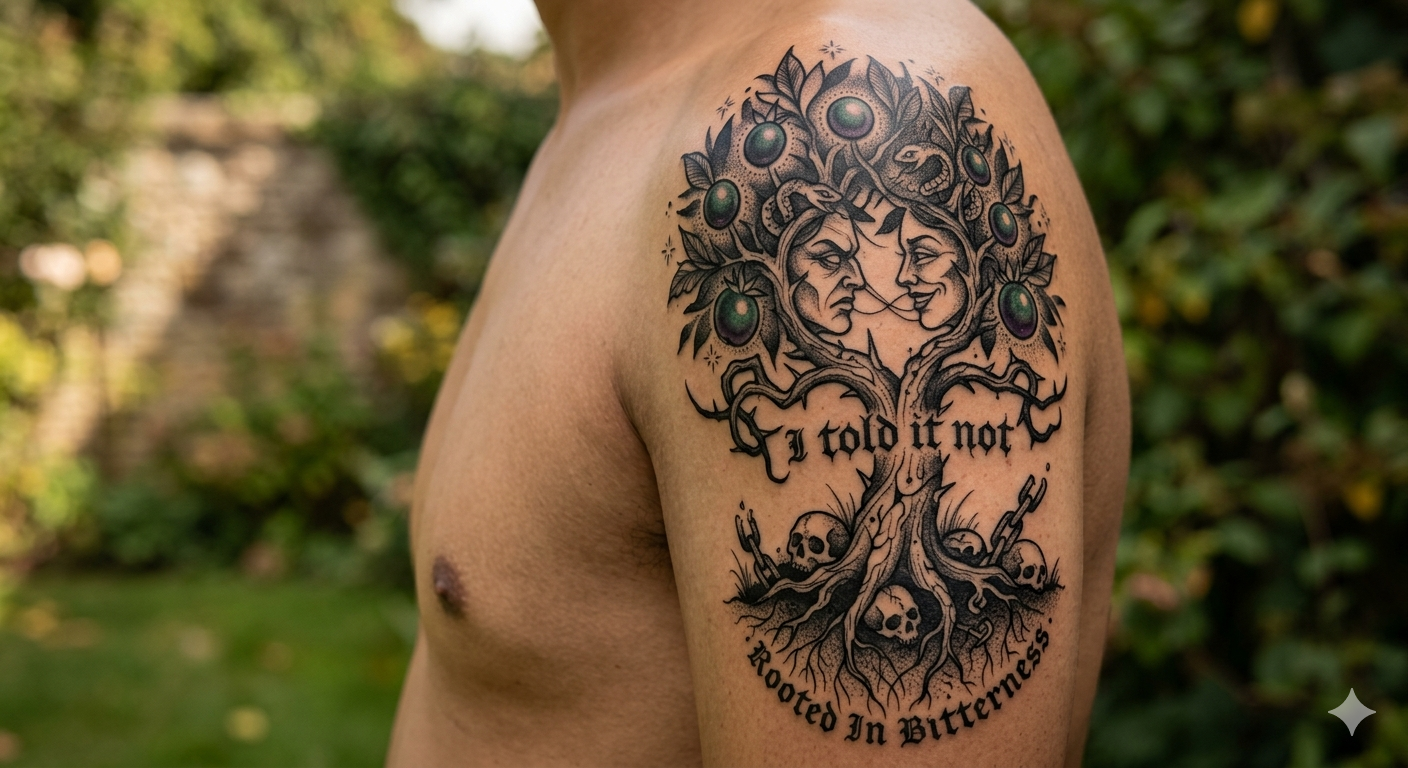
Poison Tree Tattoo Meaning Explained – A Deep Dive into Its Symbolism
A tattoo is never just body art—it is a reflection of emotions, beliefs, experiences, and sometimes even hidden pain. Among many symbolic tattoo designs, the Poison Tree tattoo stands out as one of the most powerful and emotionally deep concepts. It represents complex human emotions such as anger, betrayal, revenge, suppressed feelings, and inner transformation.
The meaning of a poison tree tattoo is not simple or one-dimensional. It can be dark, poetic, emotional, or even spiritual depending on the person wearing it. In this article, we will explore the full meaning of poison tree tattoos, their symbolic roots, psychological interpretations, and why people choose this intense design.
Origin of the Poison Tree Symbol
The concept of the “Poison Tree” is most famously connected to the poem “A Poison Tree” by William Blake, written in 1794. In this poem, Blake describes how suppressed anger grows silently inside a person like a poisoned seed until it becomes destructive.
The poem explains two types of anger:
- Anger expressed openly, which fades away
- Anger hidden inside, which grows into something dangerous
This idea became the foundation of the poison tree symbolism in modern tattoo art.
Over time, tattoo culture adopted this concept and transformed it into visual designs representing emotional struggle, inner darkness, and personal growth.
Core Meaning of Poison Tree Tattoo
The poison tree tattoo carries multiple meanings depending on personal interpretation. Some of the most common symbolic meanings include:
1. Suppressed Anger and Emotions
One of the strongest meanings behind this tattoo is hidden anger. It represents emotions that are not expressed openly and instead grow inside a person over time.
People who have experienced betrayal, emotional trauma, or deep disappointment often relate to this symbolism.
2. Revenge and Inner Conflict
The poison tree also symbolizes revenge and unresolved emotional conflict. It shows how negative feelings can grow silently until they become overwhelming.
This does not always mean violence or aggression—it can also represent mental struggle and emotional burden.
3. Personal Growth Through Pain
Interestingly, not all interpretations of the poison tree are negative. Some people see it as a symbol of growth through suffering.
The idea is that emotional pain can shape a stronger, wiser personality—just like a tree that grows stronger through harsh conditions.
4. Consequences of Silence
Another important meaning is the danger of not expressing feelings. The poison tree represents what happens when emotions are buried instead of communicated.
It is a reminder that silence can sometimes create more damage than expression.
Psychological Meaning of Poison Tree Tattoo
From a psychological perspective, the poison tree tattoo reflects the human mind’s handling of negative emotions.
When a person does not express anger or sadness, those emotions do not disappear. Instead, they become part of the subconscious mind and slowly influence thoughts, behavior, and personality.
This tattoo can represent:
- Emotional repression
- Unresolved trauma
- Mental healing journey
- Self-awareness
- Transformation of pain into strength
For many individuals, getting this tattoo is a way to acknowledge their emotional history and accept their past experiences.
Spiritual and Philosophical Meaning
Spiritually, the poison tree tattoo can have a deeper philosophical meaning. It reflects the idea that both good and bad emotions exist within every human being.
Some spiritual interpretations include:
- Darkness and light coexist within the soul
- Emotional growth requires facing inner shadows
- Pain can lead to awakening and self-realization
- Forgiveness is necessary for inner peace
In this sense, the poison tree becomes not just a symbol of negativity but also a path toward emotional balance and healing.
Popular Poison Tree Tattoo Designs
Poison tree tattoos come in many artistic styles. Each design adds a different layer of meaning.
Dark Realistic Tree
A dark tree with twisted branches often represents emotional pain and inner darkness. The roots may appear damaged or poisoned, symbolizing deep emotional wounds.
Minimalist Poison Tree
A simple black ink tree design focuses more on symbolism than detail. It is often chosen by people who prefer subtle yet meaningful tattoos.
Tree with Falling Leaves
This design symbolizes loss, sadness, or emotional release. The falling leaves represent emotions leaving the body and mind.
Tree with Poisoned Roots
This version emphasizes the origin of emotional pain. It suggests that trauma or negativity started from deep-rooted experiences.
Who Chooses Poison Tree Tattoos?
People choose poison tree tattoos for different personal reasons. It is often selected by individuals who:
- Have gone through emotional trauma
- Want to express hidden feelings
- Appreciate dark or symbolic art
- Are healing from past relationships
- Believe in emotional transformation
This tattoo is not just aesthetic—it is deeply personal and reflective.
Positive Side of Poison Tree Tattoo
Although the name sounds dark, the poison tree tattoo is not always negative. It can also represent:
- Emotional awareness
- Strength after hardship
- Self-control over emotions
- Personal transformation
- Learning from past pain
For many people, it becomes a symbol of survival and emotional maturity.
Cultural Influence of Poison Tree Symbol
The poison tree concept has influenced literature, psychology, and modern art. From William Blake’s poetry to modern tattoo culture, it has evolved into a universal symbol of human emotion.
In tattoo culture, it is often used to express feelings that cannot be spoken aloud. It is a silent story written on the skin.
Things to Consider Before Getting a Poison Tree Tattoo
Before choosing this tattoo, it is important to understand its emotional weight. Consider the following:
- Are you comfortable with deep emotional symbolism?
- Does the meaning reflect your personal journey?
- Are you ready to explain its significance if asked?
- Do you want a permanent reminder of emotional experiences?
A tattoo like this should be chosen with thought and awareness.
Final Words
The poison tree tattoo is far more than just an artistic design—it is a powerful symbol of human emotion, inner struggle, and personal transformation. It reflects the complexity of feelings that people often hide inside themselves, such as anger, pain, betrayal, and emotional growth.
At the same time, it also represents strength, awareness, and the ability to transform suffering into wisdom. Whether viewed as dark or meaningful, this tattoo carries a deep psychological and philosophical message.
In the end, the poison tree tattoo reminds us that every emotion—no matter how painful—has the potential to shape who we become.

