

Introduction
The digital world continues expanding at an extraordinary pace. People share personal information online, businesses store sensitive records in cloud systems, and financial transactions occur through connected devices every second. While these technological improvements create convenience, they also increase security risks.
This is where encryption technology becomes essential.
Encryption technology helps protect sensitive information from unauthorized access by converting readable data into secure coded formats. Whether users are sending messages, making online payments, storing files, or accessing websites, encryption plays a critical role in protecting digital information.
What Is Encryption Technology?
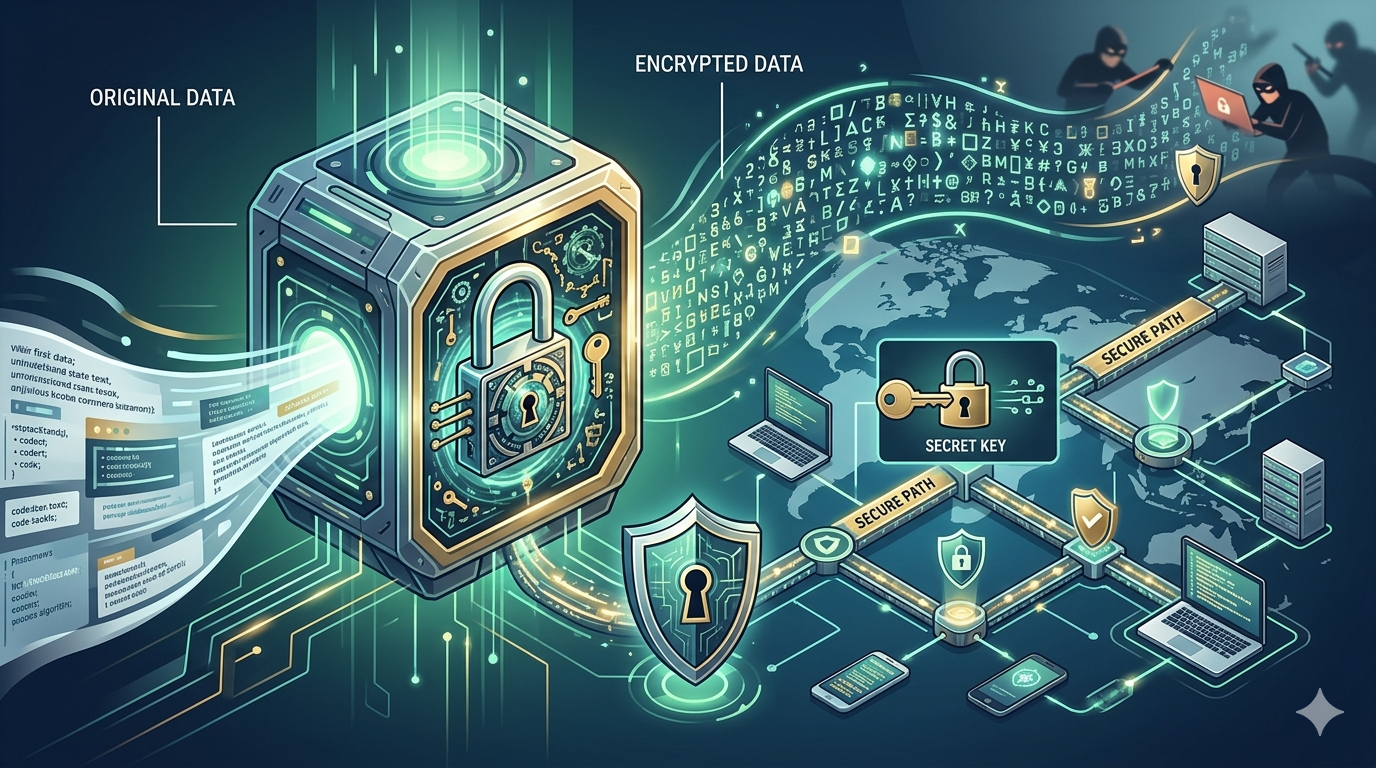
In simple terms, encryption changes understandable information into scrambled content that appears meaningless without the correct decryption method.
The primary purpose of encryption is protecting information from:
- Unauthorized access
- Data theft
- Cyber attacks
- Information leaks
- Privacy violations
Modern digital systems rely heavily on encryption because information constantly moves across networks and devices.
Why Encryption Technology Is Important
The importance of encryption continues increasing because modern life depends heavily on digital communication.
Several reasons explain why encryption matters.
Protecting Personal Information
People regularly share sensitive information online.
Examples include:
- Passwords
- Banking information
- Personal messages
- Identity details
Encryption helps reduce exposure to unauthorized access.
Securing Business Operations
Organizations store enormous amounts of confidential data.
Encryption protects:
- Customer databases
- Financial records
- Internal communications
- Proprietary information
Supporting Online Transactions
Digital payments require secure information exchange.
Encryption reduces the risk of financial theft during transactions.
Improving Privacy
Encryption gives users greater control over personal information and digital communications.
How Encryption Works
Although encryption appears complex, the basic concept is relatively simple.
Step 1: Original Data Creation
Information begins as readable content called plaintext.
Step 2: Encryption Process
Algorithms transform readable information into encrypted code.
This encrypted information becomes ciphertext.
Step 3: Transmission or Storage
Encrypted information can then move across networks or remain stored securely.
Step 4: Decryption
Authorized users use keys or credentials to convert encrypted information back into readable format.
Without proper authorization, encrypted data remains difficult to understand.
Types of Encryption Technology
Multiple encryption methods exist for different purposes.
Symmetric Encryption
Symmetric encryption uses a single key for both encryption and decryption.
Advantages include:
- Faster processing
- Efficient performance
- Lower resource requirements
However, secure key sharing can become difficult.
Asymmetric Encryption
Asymmetric systems use separate keys.
These include:
- Public keys
- Private keys
Advantages include:
- Improved security
- Easier sharing mechanisms
Disadvantages may include slower processing speeds.
Hashing
Hashing converts information into fixed-length outputs.
Unlike traditional encryption, hashing generally cannot be reversed.
Hashing is often used for:
- Password protection
- Verification systems
- Data integrity checks
Different methods serve different security requirements.
Common Applications of Encryption Technology
Encryption exists in many everyday activities.
Secure Websites
Websites use encryption to protect:
- Login credentials
- Payment information
- User sessions
Messaging Applications
Modern communication platforms frequently encrypt messages to improve privacy.
Cloud Storage
Cloud providers use encryption to secure stored files.
Financial Systems
Banks and payment providers rely heavily on encryption technologies.
Mobile Devices
Smartphones use encryption to protect stored data and applications.
Most users interact with encryption daily without realizing it.
Encryption in Cybersecurity
Cybersecurity depends heavily on strong encryption systems.
Preventing Data Breaches
Encrypted information becomes more difficult for attackers to exploit.
Protecting Networks
Encryption secures communication channels between devices.
Reducing Insider Risks
Access restrictions limit exposure even inside organizations.
Supporting Compliance Requirements
Many industries require strong security protections for sensitive information.
Encryption helps organizations meet these expectations.
Advantages of Encryption Technology
Encryption provides numerous benefits.
Enhanced Security
The most obvious advantage is stronger information protection.
Improved Customer Trust
Users feel more comfortable sharing information when security measures exist.
Better Privacy Protection
Encryption reduces exposure to unauthorized surveillance.
Secure Remote Work
Organizations increasingly rely on encrypted communication tools for distributed teams.
Reduced Financial Risks
Security failures often create expensive consequences.
Encryption helps reduce these risks.
Challenges and Limitations of Encryption
Despite its advantages, encryption also creates challenges.
Performance Requirements
Strong encryption sometimes requires additional computing resources.
Key Management Problems
Losing access credentials may create serious problems.
Implementation Complexity
Improper implementation weakens security.
Cost Considerations
Large organizations may require significant investments.
Human Error
Poor password management or incorrect configuration creates vulnerabilities.
Technology alone cannot eliminate security risks completely.
Encryption and Data Privacy
Privacy concerns continue increasing globally.
Encryption supports privacy by reducing unnecessary access to sensitive information.
Benefits include:
- More secure communication
- Greater personal control
- Reduced surveillance exposure
- Improved information protection
As digital information expands, privacy concerns become increasingly important.
Encryption in Cloud Computing
Cloud services continue growing rapidly.
Encryption helps secure:
Stored Information
Files remain protected while stored remotely.
Data Transfers
Information moving between devices remains protected.
Shared Systems
Cloud platforms support multiple users simultaneously.
Encryption helps separate access permissions.
Because cloud usage continues expanding, encryption remains essential.
The Role of Encryption in Business Security
Organizations increasingly depend on digital systems.
Encryption supports business operations by protecting:
- Customer records
- Financial information
- Employee communications
- Intellectual property
Without strong security practices, organizations face increased operational risks.
Encryption helps create stronger digital environments.
Emerging Trends in Encryption Technology
Encryption continues evolving.
Several trends may shape future development.
Quantum-Resistant Encryption
Researchers explore methods capable of resisting future computing threats.
Automated Security Systems
Artificial intelligence increasingly supports threat detection and encryption management.
Stronger Mobile Security
Growing smartphone usage creates demand for improved mobile protection.
Increased Regulatory Requirements
Governments continue expanding digital security expectations.
These developments suggest encryption will remain central to future technology systems.
Best Practices for Using Encryption
Organizations and individuals can improve security by following practical strategies.
Use Strong Passwords
Weak passwords reduce encryption effectiveness.
Update Software Regularly
Security improvements often address vulnerabilities.
Protect Encryption Keys
Credential management is critical.
Enable Multi-Layer Security
Combining encryption with additional protections improves overall security.
Educate Users
Human mistakes remain common causes of security failures.
Good security practices complement encryption technology.
The Future of Encryption Technology
As digital systems become more connected, encryption will likely become even more important.
Several factors support this trend:
- Increased cloud adoption
- Growing cyber threats
- Expanding remote work
- Larger digital ecosystems
- Greater privacy concerns
Future encryption systems may become faster, stronger, and easier to implement.
Organizations that prioritize security today may be better prepared for tomorrow’s challenges.
Conclusion
Encryption technology has become one of the most important foundations of modern digital security.
From personal communication to financial transactions and enterprise systems, encryption protects information from unauthorized access and supports safer digital experiences.
Although challenges remain, the benefits of encryption continue outweighing the limitations.
As technology evolves and cyber threats become more sophisticated, encryption will remain essential for protecting privacy, improving security, and maintaining trust in digital systems.
In an increasingly connected world, strong encryption is no longer optional-it has become a fundamental requirement for modern digital life.

