

Introduction
Cities around the world are expanding rapidly. Growing populations, increased traffic, environmental challenges, and pressure on public services are forcing governments and urban planners to rethink how cities function. As a result, the concept of smart cities has emerged as one of the most important developments in modern urban planning.
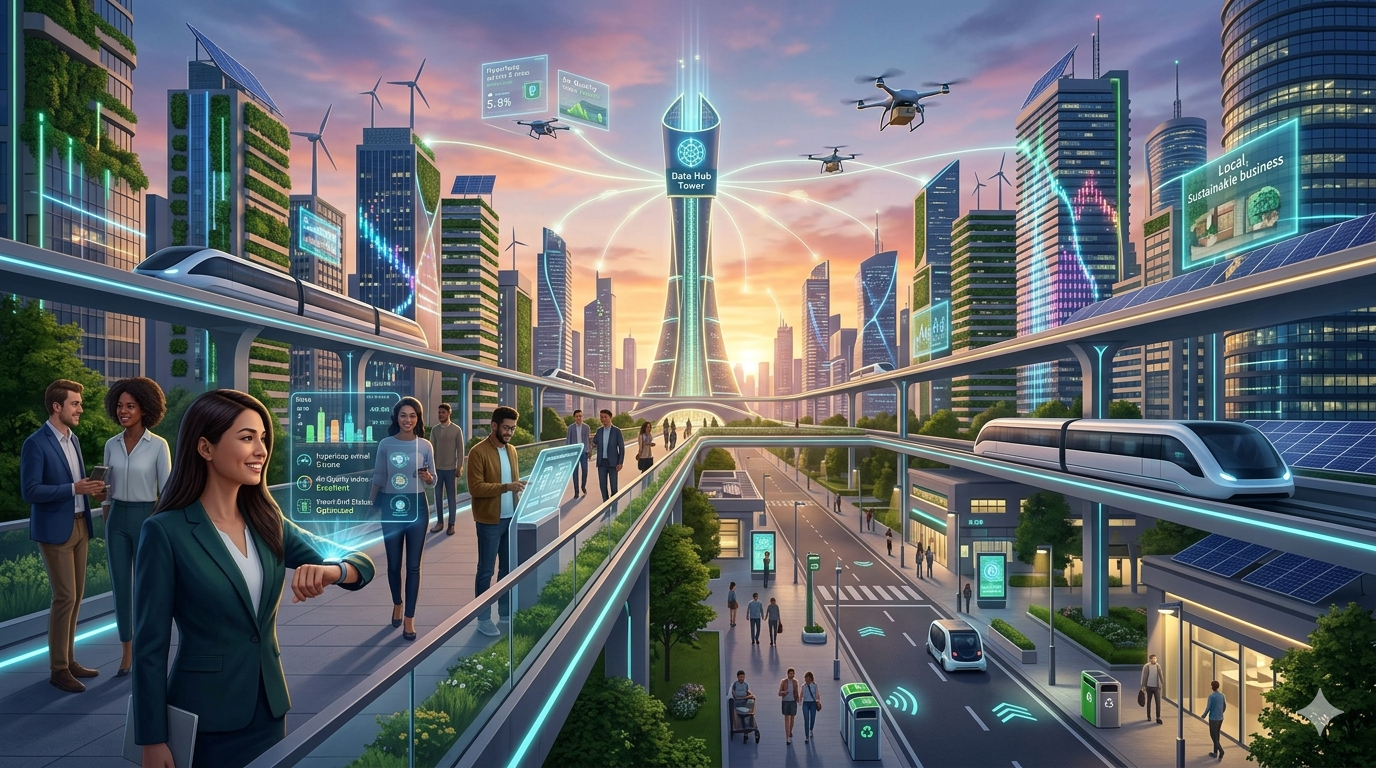
A smart city uses digital technologies, data systems, connected devices, and advanced infrastructure to improve the quality of life for residents. These cities aim to make transportation more efficient, reduce energy waste, strengthen public safety, and create sustainable environments for future generations.
Today, smart city development is no longer just a futuristic idea. Many urban areas are already implementing intelligent systems that change how people live, work, travel, and communicate.
What Is a Smart City?
A smart city refers to an urban environment that uses technology and data-driven systems to improve city operations and public services.
Instead of relying entirely on traditional infrastructure, smart cities integrate digital systems into everyday operations.
These technologies help cities manage:
- Transportation networks
- Public safety systems
- Energy consumption
- Waste management
- Water distribution
- Healthcare services
- Communication networks
The primary goal is simple: create cities that are more efficient, sustainable, and livable.
Why Smart Cities Are Becoming Important
Urban populations continue growing every year. This growth creates challenges that traditional infrastructure often struggles to manage.
Smart city solutions help address these problems by improving efficiency and reducing resource waste.
Several factors are driving smart city development:
Rapid Urbanization
As populations increase, cities must support more people using limited resources.
Environmental Challenges
Pollution, energy consumption, and climate concerns require smarter resource management.
Infrastructure Pressure
Road systems, utilities, and public services face increased demand.
Technological Advancements
Improved connectivity makes large-scale digital systems easier to implement.
Key Components of Smart Cities
Smart cities depend on multiple technologies working together seamlessly.
Smart Infrastructure
Infrastructure forms the foundation of city operations.
Examples include:
- Connected street lighting
- Intelligent traffic systems
- Smart buildings
- Automated utilities
These systems collect information and improve efficiency automatically.
Internet of Things (IoT)
Connected sensors and devices allow cities to gather real-time information.
IoT systems may monitor:
- Traffic conditions
- Air quality
- Energy usage
- Public transportation
This data helps city managers make faster decisions.
Data Analytics
Large amounts of city information become useful only when properly analyzed.
Data analytics allows governments to:
- Identify patterns
- Predict problems
- Optimize services
- Improve planning
Communication Networks
Reliable communication systems are essential.
Fast internet connections and connected networks enable devices and systems to share information continuously.
Smart Transportation Systems
Transportation is one of the most visible areas where smart city technology creates change.
Intelligent Traffic Management
Traffic sensors help monitor congestion.
Cities can adjust traffic signals automatically to improve vehicle movement.
Smart Public Transportation
Connected systems allow passengers to access:
- Real-time schedules
- Arrival information
- Route optimization
- Digital ticketing
These improvements make transportation more convenient.
Parking Management
Finding parking wastes time and fuel.
Smart parking systems guide drivers toward available spaces using sensors and digital applications.
Support for Sustainable Mobility
Many smart cities encourage:
- Electric vehicles
- Cycling infrastructure
- Shared transportation
- Pedestrian-friendly design
These strategies help reduce congestion and pollution.
Smart Energy Management
Energy efficiency is a major goal of smart city development.
Smart Grids
Modern power systems improve electricity distribution.
These systems can:
- Detect outages faster
- Improve reliability
- Reduce energy waste
Intelligent Street Lighting
Connected lighting systems adjust brightness automatically depending on activity and environmental conditions.
This reduces electricity consumption.
Energy Monitoring
Buildings can use sensors to track usage patterns.
Organizations can then reduce unnecessary energy consumption.
Waste Management in Smart Cities
Waste collection is often expensive and inefficient.
Smart waste systems use technology to improve operations.
Sensor-Based Collection
Trash containers can notify authorities when they are full.
This prevents unnecessary collection trips.
Route Optimization
Waste vehicles use optimized routes to reduce fuel consumption.
Recycling Improvements
Data-driven systems help cities improve recycling efficiency.
These solutions reduce operational costs while supporting sustainability goals.
Water Management and Smart Utilities
Water systems face growing pressure in expanding urban environments.
Smart technologies help cities monitor resources more effectively.
Leak Detection Systems
Sensors identify pipeline problems early.
This reduces water loss.
Consumption Monitoring
Smart meters help users understand usage patterns.
Efficient Distribution
Cities can optimize supply systems using real-time data.
Improved water management supports long-term sustainability.
Public Safety in Smart Cities
Technology also improves security and emergency response.
Connected Surveillance Systems
Digital monitoring systems help authorities respond faster.
Emergency Response Optimization
Real-time communication improves coordination during emergencies.
Disaster Management
Smart systems can provide warnings during:
- Floods
- Severe weather
- Infrastructure failures
Better information improves response times.
Benefits of Smart Cities
Smart city development offers multiple advantages.
Improved Quality of Life
Residents benefit from better services and reduced inconvenience.
Greater Sustainability
Efficient resource management reduces environmental impact.
Economic Growth
Technology investments create business opportunities.
Better Resource Allocation
Cities can use data to allocate resources more effectively.
Reduced Costs
Automation and optimization lower operational expenses.
These benefits explain why governments increasingly invest in smart infrastructure.
High Implementation Costs
Building digital infrastructure requires significant investment.
Data Privacy Concerns
Large amounts of information create security challenges.
Cybersecurity Risks
Connected systems may become targets for cyber attacks.
Technology Integration Problems
Older infrastructure sometimes struggles to integrate with modern systems.
Digital Inequality
These challenges require careful planning and long-term strategies.
The Role of Artificial Intelligence in Building Smart Cities
Artificial intelligence plays an increasingly important role.
AI systems help cities:
- Analyze data faster
- Predict traffic patterns
- Optimize services
- Improve energy management
As AI technology improves, smart cities may become even more responsive and efficient.
Future Trends in Smart City Development
Several trends are expected to shape future smart cities.
Increased Automation
More systems will operate with minimal human intervention.
Greater Sustainability Focus
Environmental goals will become more important.
Expansion of Connected Devices
More sensors and digital tools will increase data collection.
Integration of Emerging Technologies
Advanced computing, automation, and digital infrastructure will continue evolving.
These trends suggest smart cities will become increasingly common.
Are Smart Cities the Future?
Many experts believe urban growth makes smarter infrastructure necessary rather than optional.
Traditional systems often struggle with:
- Population growth
- Resource limitations
- Environmental pressures
- Service demands
Smart technologies offer tools that may help cities adapt more effectively.
However, success depends on responsible implementation, strong policies, and inclusive planning.
Conclusion
Smart cities represent a major shift in how urban environments operate.
By combining technology, data, infrastructure, and digital systems, cities can improve efficiency while creating better living environments.
Although challenges remain, the advantages of smarter transportation, sustainable energy systems, efficient utilities, and improved public services continue driving investment worldwide.
As technology evolves, smart cities are likely to play an increasingly important role in shaping the future of urban living.
The cities of tomorrow may not simply be larger-they may also become significantly smarter.

