

Introduction
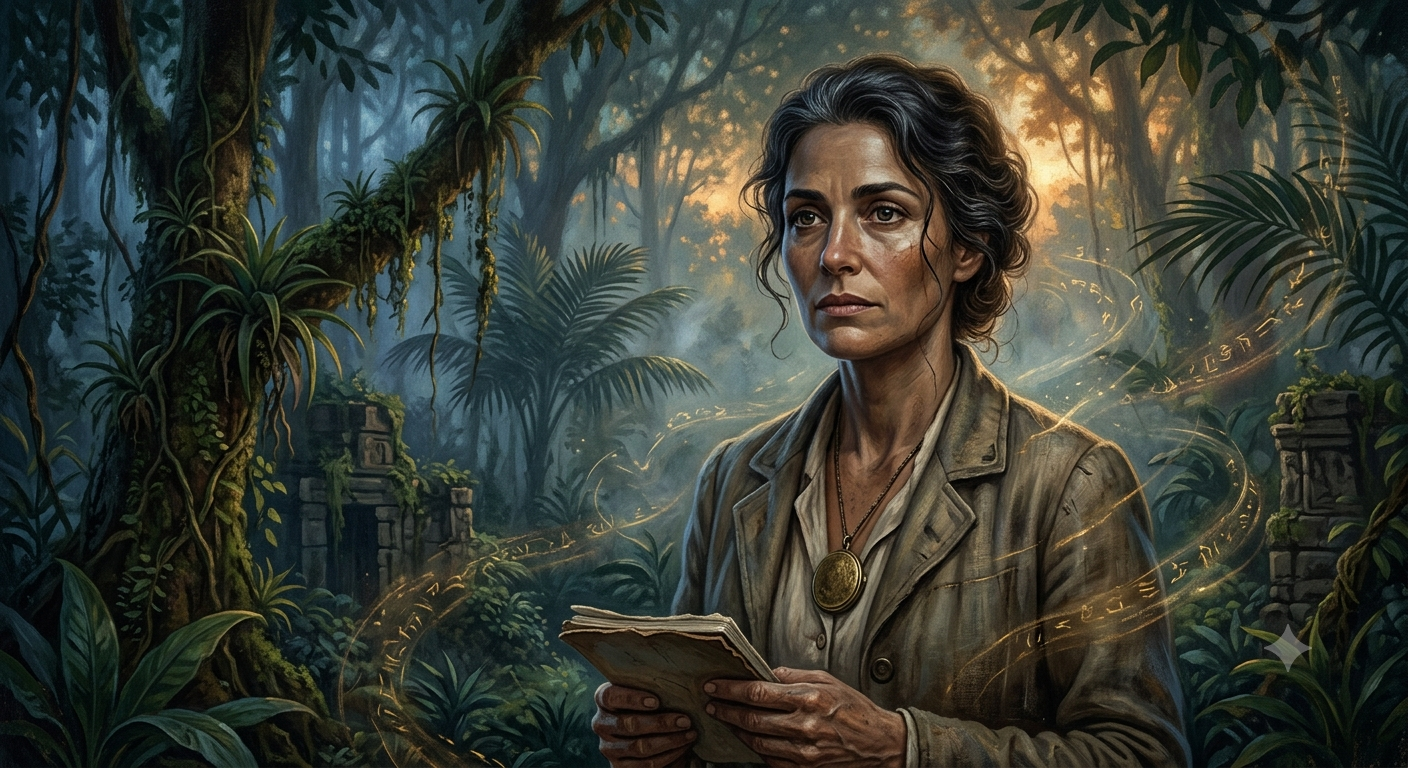
History is filled with fascinating individuals whose lives blur the line between fact and legend. Some become famous because of their achievements, while others are remembered because of the mystery surrounding their existence. Camille Monfort belongs to the latter category. Often referred to as the “Vampire of the Amazon,” she remains one of the most intriguing figures associated with the folklore and cultural history of northern Brazil.
Although historical records about Camille Monfort are limited, stories about her have survived for generations. These tales describe a beautiful European woman who arrived in the Amazon region during the late nineteenth century and captivated local society with her charm, intelligence, and unconventional lifestyle. Over time, rumors transformed her into a legendary figure linked to mystery, tragedy, and supernatural events.
Today, Camille Monfort continues to attract the attention of historians, writers, researchers, and enthusiasts of folklore. Her story represents a fascinating combination of cultural memory, local mythology, and historical speculation.
This article explores the life, legends, cultural significance, and enduring fascination surrounding Camille Monfort while examining why her name remains relevant more than a century later.
Who Was Camille Monfort?
Camille Monfort is believed to have been a French woman who traveled to Brazil during the late nineteenth century. According to popular accounts, she settled in the Amazon region at a time when the area was experiencing significant economic growth due to the rubber boom.
The Amazon attracted merchants, adventurers, entrepreneurs, and immigrants from around the world. Wealth generated by the rubber industry transformed cities such as Belém and Manaus into thriving cultural centers where European influences blended with local traditions.
Within this environment, Camille Monfort allegedly became known among the upper classes because of her beauty, sophistication, and unusual independence. Unlike many women of her era, she was described as confident, educated, and socially influential.
However, what truly made her famous was not her social status but the extraordinary stories that later emerged about her life.
The Amazon During the Rubber Boom
To understand the legend of Camille Monfort, it is important to examine the historical context in which she supposedly lived.
During the late nineteenth and early twentieth centuries, natural rubber became one of the world’s most valuable commodities. The Amazon region possessed vast rubber resources, leading to rapid economic expansion.
The rubber boom created immense wealth and transformed several Brazilian cities into centers of luxury and culture. European architecture, opera houses, imported goods, and elegant social events became common among affluent residents.
At the same time, the region remained deeply connected to indigenous traditions, local beliefs, and supernatural folklore. This unique combination of modernization and traditional storytelling created fertile ground for legends to develop.
In such an atmosphere, it is easy to see how an unusual personality like Camille Monfort could become the subject of extraordinary tales.
A Woman Surrounded by Mystery
Descriptions of Camille Monfort often portray her as exceptionally attractive and charismatic. She reportedly attended elite social gatherings and attracted attention wherever she appeared.
Many stories suggest that men became fascinated by her presence, while women viewed her with a mixture of admiration and suspicion. Her confidence and independence were considered unusual during an era when social expectations for women were often restrictive.
According to local folklore, Camille possessed an almost hypnotic influence over those around her. Some claimed she could captivate entire rooms with her personality alone.
As these stories spread, her reputation evolved beyond that of an ordinary socialite. She gradually became a figure associated with mystery and the supernatural.
Why Was She Called the “Vampire of the Amazon”?
One of the most famous aspects of Camille Monfort’s legend is her association with vampirism.
Local folklore claims that numerous men who became romantically involved with her later experienced misfortune, illness, or unexpected deaths. While there is no historical evidence supporting such claims, these incidents contributed to the belief that Camille possessed supernatural powers.
Some stories described her as a woman who drained the vitality of her admirers. Others suggested she was connected to dark spiritual forces or ancient curses.
As the tales became more dramatic over time, she earned the nickname “The Vampire of the Amazon.”
It is important to recognize that these stories belong primarily to folklore rather than documented history. However, folklore often reveals how societies interpret unusual individuals and unexplained events.
The vampire label may have reflected societal fears regarding powerful women who challenged traditional norms and expectations.
The Influence of European Culture
Camille Monfort’s European background played a significant role in shaping her legend.
At the time, European visitors often attracted considerable attention in the Amazon. Their clothing, customs, languages, and lifestyles appeared exotic to many local residents.
Camille reportedly embodied elegance and sophistication associated with European high society. Her foreign origins may have contributed to perceptions that she was mysterious or different from those around her.
Throughout history, outsiders have frequently become subjects of myths and legends, especially when they possess unusual characteristics or social influence.
Camille’s foreign identity likely amplified public fascination and encouraged the development of supernatural narratives.
The Cholera Epidemic and Tragic Death
One of the most commonly repeated elements of Camille Monfort’s story concerns her death during a cholera outbreak.
Historical records indicate that epidemics periodically affected communities throughout Brazil during the nineteenth century. According to legend, Camille became ill and eventually died from cholera despite her social prominence and influence.
Her death reportedly shocked local society. Many people who had admired her struggled to accept the sudden loss.
Yet even death did not end the stories surrounding her.
Some accounts claim unusual events occurred after her burial. Witnesses allegedly reported strange sightings near her grave, mysterious lights, and unexplained disturbances.
These stories further strengthened her reputation as a supernatural figure.
Legends Associated with Her Grave
Camille Monfort’s burial site has become one of the most discussed aspects of her legend.
Over the years, rumors emerged suggesting that unusual phenomena occurred around her tomb. Local residents spoke of hearing strange sounds, seeing unexplained shadows, or experiencing unsettling sensations when visiting the cemetery.
Although such stories remain unsupported by evidence, they contributed significantly to the growth of her mythological status.
Many legendary figures throughout history have become associated with haunted graves or supernatural locations. Camille’s story follows a similar pattern, where mystery surrounding death enhances public fascination.
These tales transformed her burial site into a symbol of folklore and curiosity.
Fact Versus Fiction
Separating fact from fiction in Camille Monfort’s story can be challenging.
Several aspects appear historically plausible:
- She may have been a French immigrant.
- She likely lived during the rubber boom era.
- She probably participated in elite social circles.
- She may have died during a disease outbreak.
However, claims involving vampirism, supernatural powers, and paranormal events belong largely to folklore rather than documented historical evidence.
This distinction is important because legends often evolve through oral storytelling. As stories pass from one generation to another, details become exaggerated, modified, or entirely invented.
Camille Monfort represents a perfect example of how historical individuals can gradually transform into mythical figures.
Symbolism Behind the Legend
Beyond its supernatural elements, Camille Monfort’s story can be interpreted symbolically.
Many scholars argue that legends often reflect social anxieties and cultural values.
The portrayal of Camille as a mysterious and powerful woman may symbolize:
Fear of Female Independence
During the nineteenth century, women who challenged traditional gender roles often faced criticism and suspicion.
Camille’s confidence and autonomy may have contributed to perceptions that she was unusual or dangerous.
The Unknown and Exotic
Foreign visitors frequently became subjects of myths because they represented unfamiliar cultures and ideas.
Her European background likely enhanced her mysterious image.
Mortality and Disease
The cholera epidemic that allegedly claimed her life reflects broader fears associated with disease and sudden death.
Communities often create supernatural explanations when faced with tragedy and uncertainty.
Camille Monfort in Modern Popular Culture
Interest in Camille Monfort has grown significantly in recent years.
Writers, bloggers, filmmakers, and paranormal researchers frequently reference her story when discussing:
- Brazilian folklore
- Amazonian legends
- Gothic history
- Female historical figures
- Paranormal mysteries
Social media has also contributed to renewed attention. Online audiences are increasingly fascinated by mysterious historical personalities whose stories combine romance, tragedy, and supernatural elements.
As a result, Camille Monfort remains a popular topic in documentaries, articles, podcasts, and digital content.
Tourism and Historical Interest
The enduring popularity of Camille Monfort’s legend has generated interest among tourists and history enthusiasts.
Visitors exploring northern Brazil often seek locations associated with local folklore and historical narratives. Stories surrounding Camille provide a unique cultural attraction that combines history with mystery.
Even individuals who do not believe in supernatural claims are often intrigued by the cultural significance of her story.
Her legend demonstrates how folklore can become an important part of regional identity and tourism.
Why Her Story Continues to Fascinate People
The continued fascination with Camille Monfort can be attributed to several factors.
Mystery
Humans are naturally attracted to unanswered questions. The lack of definitive historical information encourages curiosity and speculation.
Romance and Tragedy
Stories involving beauty, admiration, illness, and death often capture public imagination.
Supernatural Elements
Legends involving vampires, ghosts, and paranormal events remain popular across cultures.
Historical Context
The Amazon rubber boom represents a unique and dramatic period in history, adding depth and authenticity to the narrative.
Cultural Heritage
Camille’s story has become part of Amazonian folklore, preserving local traditions and collective memory.
Historical Lessons from the Legend
Although many aspects of Camille Monfort’s story remain uncertain, her legend offers valuable insights into how societies create and preserve myths.
Her narrative demonstrates:
- The power of oral storytelling.
- The blending of history and folklore.
- The influence of cultural beliefs on collective memory.
- The enduring appeal of mysterious personalities.
- The role legends play in shaping regional identity.
These lessons help explain why stories like hers continue to survive across generations.
Conclusion
Camille Monfort remains one of the most intriguing figures associated with Amazonian folklore. Whether viewed as a historical woman, a cultural symbol, or a legendary vampire, her story continues to captivate audiences around the world.
While historical evidence regarding her life is limited, the legends surrounding her reveal much about the society in which those stories developed. Themes of beauty, mystery, independence, disease, and the supernatural combine to create a narrative that has endured for more than a century.
Today, Camille Monfort stands as a remarkable example of how history and folklore can merge to produce an enduring legend. Her story reminds us that some mysteries are never fully solved-and perhaps that is precisely why they continue to fascinate us.

