

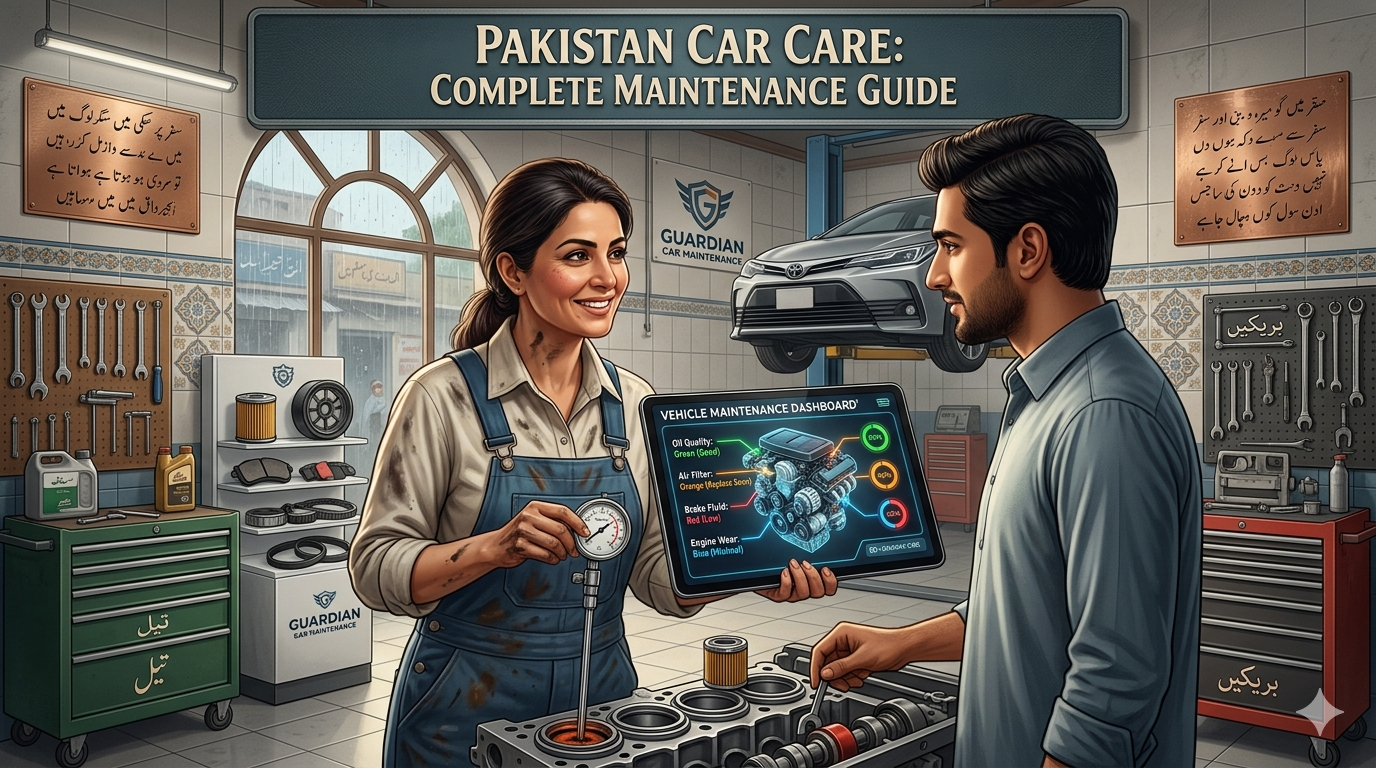
Owning a vehicle in today’s world is more than just convenience-it is a long-term responsibility. Whether you drive daily for work or occasionally for personal use, your car constantly goes through stress, weather changes, road conditions, and mechanical pressure. Without proper care, even a high-quality vehicle can start showing problems much earlier than expected.
Vehicle maintenance is the key factor that determines how long your car will last, how safely it will perform, and how much money you will spend on repairs over time. Many car owners only react when something breaks, but the smarter approach is preventive maintenance.
This detailed guide explains vehicle maintenance in a simple, practical, and real-world way so you can keep your car in excellent condition for years.
Why Vehicle Maintenance Is Essential for Every Car Owner
Most people think maintenance is just an expense, but in reality, it is an investment. A well-maintained vehicle saves money, time, and stress in the long run.
Here’s why it matters so much:
Better Road Safety
A properly maintained car reduces the chances of sudden breakdowns, brake failure, tire issues, or engine problems.
Improved Fuel Efficiency
Clean engines, proper tire pressure, and smooth systems help reduce fuel consumption.
Higher Resale Value
Cars in good condition always sell at better prices compared to poorly maintained ones.
Lower Repair Costs
Small issues are easier and cheaper to fix before they turn into major mechanical failures.
Understanding the Core Areas of Vehicle Maintenance
Vehicle maintenance is not just one task. It involves multiple systems working together:
- Engine health
- Tire condition
- Brake performance
- Fluid levels
- Electrical systems
- Battery condition
- Exterior and interior care
Each system requires regular attention and inspection.
Engine Care: The Most Important Part of Maintenance
The engine is the heart of your vehicle, and keeping it in good condition is critical.
Engine Oil Replacement
Engine oil reduces friction between moving parts. Over time, it becomes dirty and loses effectiveness.
If oil is not changed on time, it can lead to:
- Engine overheating
- Reduced power output
- Increased fuel usage
- Permanent engine damage
Regular oil changes keep the engine smooth and responsive.
Air Intake System
Clean air filters ensure that only clean air enters the engine.
A dirty filter can cause:
- Slow acceleration
- Poor fuel economy
- Engine strain
Replacing filters regularly improves performance significantly.
Ignition System Maintenance
Spark plugs play a key role in starting the engine.
Worn spark plugs may cause:
- Engine misfires
- Difficulty starting
- Uneven performance
Routine replacement keeps ignition smooth and efficient.
Tire Maintenance: Safety Starts From the Ground
Tires affect braking, handling, and overall safety.
Maintaining Correct Air Pressure
Tires that are not properly inflated can create serious issues.
Low pressure leads to:
- Higher fuel consumption
- Uneven wear
- Poor handling
High pressure reduces road grip and comfort.
Tire Rotation Practice
Rotating tires ensures even wear across all wheels, extending their lifespan.
Wheel Alignment Checks
Misalignment can cause:
- Vehicle pulling to one side
- Uneven tire wear
- Steering instability
Proper alignment improves safety and control.
Brake System: Your Primary Safety Feature
Brakes are the most critical safety component in any vehicle.
Brake Pads Condition
Brake pads wear down with time and usage.
If ignored, they can damage brake rotors and increase stopping distance.
Brake Fluid Health
Low or contaminated fluid reduces braking power.
Warning Indicators
- Squeaking or grinding sounds
- Soft brake pedal
- Delayed stopping response
These signs should never be ignored.
Fluid Levels and Their Importance
Modern vehicles depend on multiple fluids for smooth operation.
Engine Oil
Lubricates engine parts and reduces heat.
Coolant
Prevents overheating and protects engine temperature balance.
Transmission Fluid
Ensures smooth gear shifting.
Brake Fluid
Maintains braking pressure.
Power Steering Fluid
Helps steering operate smoothly.
Regular fluid checks prevent major system failures.
Battery Maintenance: Keeping Your Car Powered
The battery supports all electrical systems in the vehicle.
Signs of Battery Weakness
- Slow engine start
- Dim headlights
- Electrical glitches
Battery Care Tips
- Clean terminals regularly
- Avoid leaving lights on
- Drive the car frequently
A weak battery can leave you stranded unexpectedly.
Radiator Maintenance
A clean radiator ensures proper heat exchange.
Coolant Level Monitoring
Low coolant can cause overheating and engine damage.
Hose Inspection
Cracked hoses may lead to leaks and system failure.
Overheating can permanently damage an engine if not controlled.
Exterior Maintenance: Protecting Your Vehicle’s Appearance
A clean exterior is not just about looks-it protects the paint and body.
Regular Cleaning
Removes dirt, chemicals, and dust that damage paint over time.
Wax Protection
Adds a protective layer against sunlight and environmental damage.
Rust Prevention
Rust spreads quickly if not treated early, especially in humid conditions.
Proper exterior care preserves long-term value.
Interior Maintenance: Comfort and Cleanliness
The interior affects driving comfort and overall experience.
Dashboard Protection
Sunlight can cause cracking and fading.
Seat Care
Seats should be cleaned regularly to prevent stains and wear.
Floor Protection
Floor mats help prevent dirt buildup and moisture damage.
Seasonal Maintenance: Adjusting to Weather Changes
Different weather conditions require different care strategies.
Hot Weather Care
- Check cooling system
- Protect dashboard from heat
- Monitor tire pressure
Cold Weather Care
- Use proper engine fluids
- Check battery health
- Inspect tire grip
Rainy Season Care
- Ensure windshield wipers work properly
- Check brakes frequently
- Avoid flooded roads
Seasonal care helps prevent weather-related damage.
Smart Driving Habits That Extend Vehicle Life
Driving style plays a major role in vehicle condition.
Smooth Acceleration
Reduces engine stress and fuel usage.
Controlled Braking
Increases brake lifespan.
Avoid Rough Roads
Protects suspension and tires.
Consistent Speed
Improves fuel efficiency and engine stability.
Good driving habits reduce maintenance costs.
Common Mistakes Car Owners Make
Many vehicle problems occur due to avoidable mistakes:
- Ignoring dashboard warning lights
- Skipping oil changes
- Using cheap spare parts
- Delaying small repairs
- Overlooking tire condition
These mistakes often lead to expensive repairs later.
What Happens When Maintenance Is Ignored
Neglecting vehicle maintenance can result in:
- Engine breakdown
- Brake failure
- Transmission issues
- Reduced fuel efficiency
- Higher repair bills
- Lower resale value
Preventive maintenance always costs less than emergency repairs.
Simple Maintenance Routine for Car Owners
A basic routine can keep your vehicle in excellent condition:
Weekly Tasks
- Check tire pressure
- Inspect lights and signals
Monthly Tasks
- Clean interior and exterior
- Check fluid levels
Every Few Months
- Inspect brakes
- Rotate tires
Yearly Maintenance
- Full system inspection
- Oil and filter replacement
Consistency is the key to long-term performance.
Final Thoughts
Vehicle maintenance is not just about fixing problems-it is about preventing them. A well-maintained car performs better, lasts longer, and provides a safer driving experience.
By following regular maintenance practices, adopting good driving habits, and paying attention to early warning signs, you can significantly extend your vehicle’s life and reduce long-term expenses.
In the end, every car owner benefits from one simple rule: taking care of your vehicle today saves you from major problems tomorrow.

