

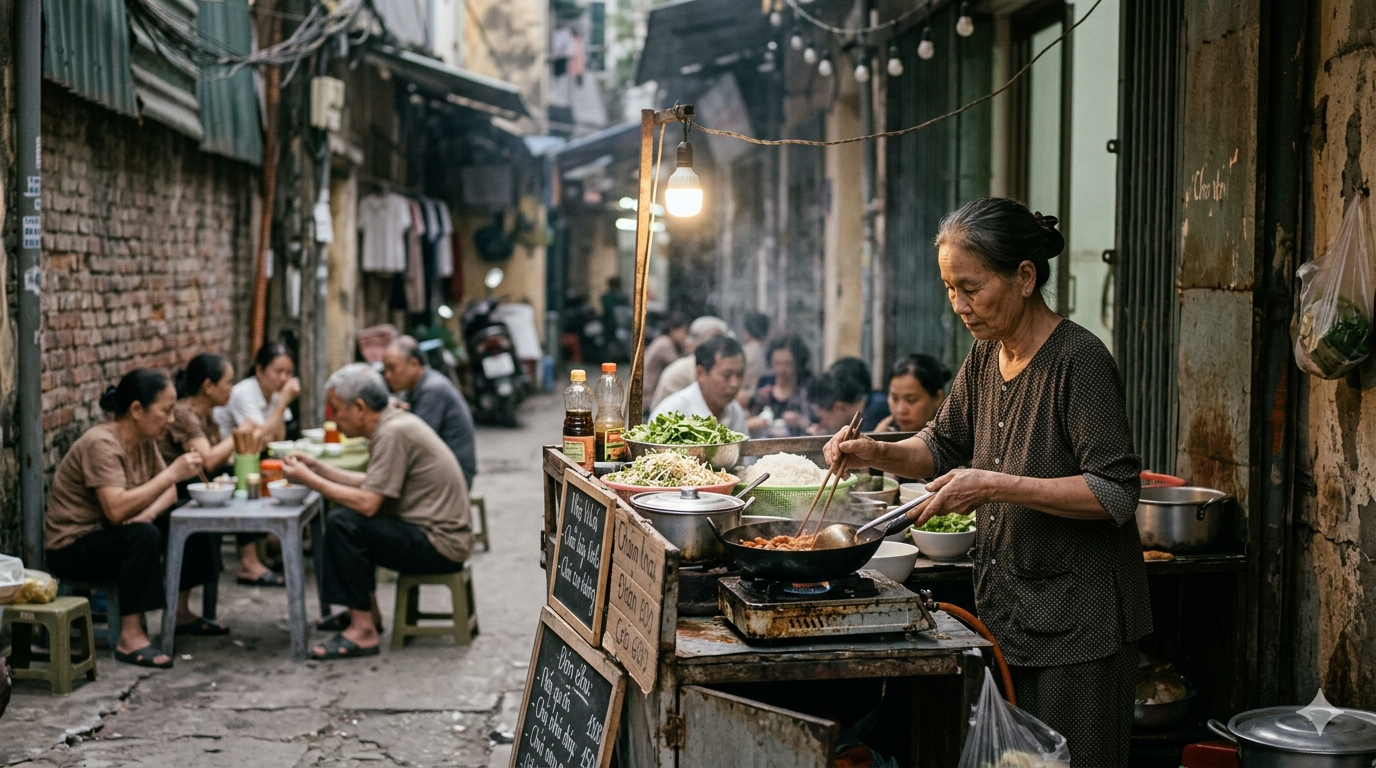
Introduction: What Are Local Eats?
Local eats refer to the food that is prepared, sold, and enjoyed within a specific community or region. These foods are often found in small restaurants, street food stalls, family-owned diners, and neighborhood cafés. Unlike global fast-food chains, local eats reflect the true identity of a place, offering flavors that are unique, traditional, and deeply connected to culture.
When people explore local eats, they are not just eating food—they are experiencing the lifestyle, traditions, and history of a community.
Why Local Eats Matter
Local eats are more than just meals. They are a reflection of culture, tradition, and community identity. In many places, local food is passed down through generations, preserving cooking styles and recipes that have existed for decades or even centuries.
There are several reasons why local eats are important:
1. Cultural Identity
Local dishes represent the culture of a region. They tell stories about history, migration, agriculture, and traditions.
2. Support for Local Businesses
Eating local food supports small restaurant owners, street vendors, and family-run kitchens.
3. Authentic Taste
Local eats often use fresh, regional ingredients that create unique and authentic flavors.
4. Community Connection
Food brings people together, and local eateries often become social hubs in neighborhoods.
The Diversity of Local Eats Around the World
Every region in the world has its own unique local eats. These foods are shaped by geography, climate, and cultural history.
🇵🇰 South Asian Local Eats
In South Asia, local eats include street food like samosas, chaat, biryani, nihari, and parathas. These dishes are rich in spices and flavors, reflecting centuries of culinary tradition.
🇺🇸 American Local Eats
In the United States, local eats vary by region. Examples include barbecue in Texas, hot dogs in New York, and seafood in coastal areas. Each region has its own specialty.
🇮🇹 Italian Local Eats
Italy is famous for its local eats such as pasta, pizza, risotto, and gelato. Many recipes are specific to certain cities or villages.
🇲🇽 Mexican Local Eats
Mexican local food includes tacos, tamales, enchiladas, and street corn. These dishes are deeply rooted in indigenous traditions.
🇹🇭 Thai Local Eats
Thailand offers flavorful street foods like pad thai, green curry, and mango sticky rice, often sold in night markets.
Street Food: The Soul of Local Eats
Street food is one of the most important parts of local eating culture. It is affordable, flavorful, and widely available. In many countries, street vendors are the backbone of the food industry.
Street food is special because:
- It is freshly prepared
- It uses traditional recipes
- It is budget-friendly
- It offers unique regional flavors
From food trucks in America to hawker stalls in Asia, street food represents the real taste of local life.
Home-Style Cooking and Local Restaurants
Local eats are not only found in street stalls but also in small family-owned restaurants. These places often serve home-style food that tastes like traditional cooking.
Home-style local eateries are popular because:
- Recipes are often passed down in families
- Food is cooked in small batches with care
- The taste is closer to homemade meals
- The environment is usually simple and welcoming
These restaurants often become neighborhood favorites because of their consistency and authenticity.
Why People Love Local Eats
Local eats are loved by people for many reasons:
✔ Authentic Flavor
They offer real, traditional taste that cannot be replicated by fast food chains.
✔ Fresh Ingredients
Local food is often made using fresh and seasonal ingredients.
✔ Affordable Prices
Most local eateries are budget-friendly, making them accessible to everyone.
✔ Emotional Connection
Many people feel nostalgic when eating local dishes because they remind them of home.
Challenges Faced by Local Eats
Despite their popularity, local eats face several challenges:
Competition from Fast Food Chains
Global brands often overshadow small local businesses.
Lack of Marketing
Many local restaurants do not have online presence or advertising.
Rising Costs
Increasing ingredients and rent costs affect small food vendors.
Changing Food Trends
Younger generations sometimes prefer fast or international food over traditional local dishes.
The Role of Tourism in Local Eats
Tourism plays a big role in promoting local eats. Travelers often seek authentic food experiences when visiting new places. Local dishes become part of cultural exploration.
Food tourism helps:
- Increase income for local vendors
- Preserve traditional recipes
- Promote cultural exchange
- Attract international attention
Many tourists remember a destination through its food rather than its landmarks.
Social Media and the Rise of Local Eats
Social media has greatly increased the popularity of local food. Platforms like Instagram, TikTok, and YouTube allow food vendors to showcase their dishes to a global audience.
Food bloggers and influencers help:
- Discover hidden food spots
- Promote small businesses
- Highlight unique regional dishes
- Create viral food trends
This digital exposure has helped many local eateries grow quickly.
Health Aspects of Local Eats
Local food is often healthier than processed alternatives because:
- It uses fresh ingredients
- It contains fewer preservatives
- It is cooked in traditional methods
- It avoids artificial additives
However, some local dishes can be high in oil or spices, so balance is important.
Future of Local Eats
The future of local eats looks promising. As people become more interested in authentic and cultural food experiences, local cuisine is gaining attention worldwide.
Trends shaping the future include:
- Fusion of traditional and modern cooking
- Growth of food delivery apps
- Increased food blogging and reviews
- Rising demand for authentic experiences
Local eats will continue to evolve while preserving their cultural roots.
Conclusion: The True Value of Local Eats
Local eats represent more than just food-they represent culture, identity, and community. They bring people together, support small businesses, and preserve traditional cooking methods.
In a world filled with global fast food chains, local eats stand out as a reminder of authenticity and heritage. Whether it is street food, home-style cooking, or small neighborhood restaurants, local eats continue to play a vital role in shaping food culture around the world.
Exploring local eats is not just about satisfying hunger-it is about experiencing the soul of a place through its flavors.

