

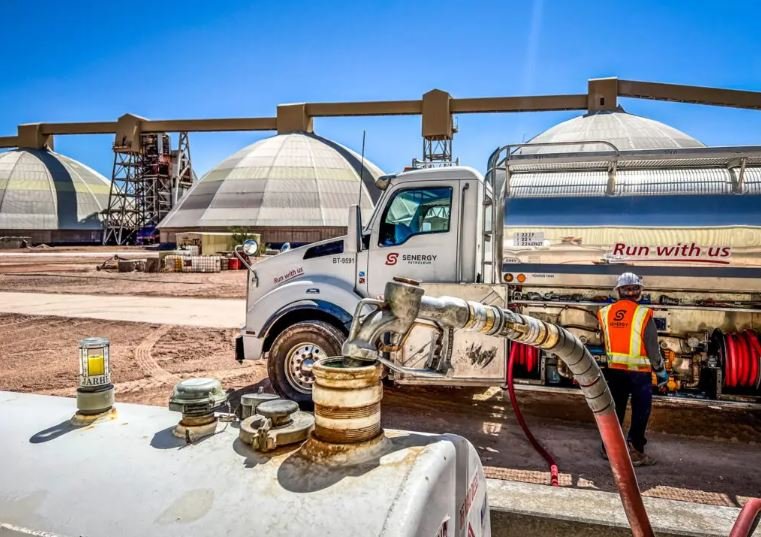
Every minute a crew spends away from the job site is a minute that isn’t being billed, built, or moved forward. Yet for decades, refueling equipment has meant sending a truck off-site, waiting in line at a gas station, and hoping the detour doesn’t eat into the day’s schedule. That old routine is quietly costing construction companies, fleet operators, and site managers more than they realize.
A better approach has emerged, and it’s reshaping how businesses think about fuel logistics. Instead of chasing diesel, companies are having it delivered directly to generators, excavators, trucks, and backup systems, right where the work is happening. The result is less downtime, fewer safety risks, and a level of operational control that traditional fueling methods simply can’t match.
This shift isn’t just a convenience. It’s a strategic move that smart operations teams are making to protect their bottom line and keep projects on track.
The Real Cost of Traditional Refueling
Most businesses underestimate how much time and money leaks out of their operations through fuel logistics. A single fuel run might only take thirty minutes, but multiply that across multiple vehicles, multiple sites, and multiple days a week, and the hours add up fast.
There’s also the labor cost to consider. Skilled operators and drivers are paid to run equipment and move materials, not to drive back and forth to a fuel station. Every trip pulls them away from higher-value work, and that lost productivity rarely shows up as a clean line item, even though it’s very real.
Then there’s the risk factor. Storing diesel on-site in makeshift containers, or constantly transporting fuel in vehicles not designed for it, introduces safety and compliance concerns that most companies would rather avoid altogether.
Why More Businesses Are Rethinking Their Fuel Strategy
Fleet managers and site supervisors are under constant pressure to do more with less. Fuel costs fluctuate, labor is expensive, and deadlines don’t move just because a truck ran out of diesel at the wrong moment. These pressures have pushed many operations to look for a fuel solution that works around their schedule instead of forcing them to work around a fuel station’s hours.
This has driven a noticeable change in how industries like construction, logistics, agriculture, and event production handle fuel. Rather than treating fuel as something that has to be picked up, businesses are treating it as a resource that should come to them, on a schedule they control.
Predictability Matters More Than Ever
Unexpected fuel shortages can halt an entire project. A generator running out of power during a critical phase, or a fleet vehicle stalling mid-route, creates a ripple effect that delays everything downstream. When fuel delivery is scheduled proactively, these disruptions become far less common, and teams can plan with confidence instead of crossing their fingers.
Fewer Moving Parts, Fewer Risks
Fewer fuel runs mean fewer vehicles on the road, less handling of flammable materials, and fewer opportunities for something to go wrong. For companies focused on safety compliance, this reduction in manual fuel handling is a meaningful win.
How Fuel Logic Is Changing the Fueling Experience
Fuel Logic was built around a simple idea: fuel shouldn’t be a logistical headache. The company delivers diesel directly to job sites, fleets, and facilities, eliminating the need for crews to leave their work to go find fuel.
On site diesel delivery means equipment gets refueled without a single vehicle or operator ever leaving the job, keeping productivity high and schedules intact. Instead of coordinating fuel runs around business hours or worrying about running low mid-shift, companies can set up recurring deliveries or request fuel on demand, depending on what their operation needs.
This model gives businesses something that traditional fueling never could: control. Teams know when fuel is arriving, how much they’re getting, and they can plan their work around a reliable schedule rather than reacting to shortages after the fact.
Fuel Logic also brings a level of service that goes beyond simply dropping off diesel. The company works with businesses to understand their consumption patterns, site layouts, and operational demands, tailoring delivery schedules that actually fit how each client works. That kind of flexibility is especially valuable for industries with unpredictable demands, like construction projects that scale up and down, or event production companies that need backup power for a single weekend.
Who Benefits Most from Direct Fuel Delivery
Not every business runs on the same fuel needs, but several industries see outsized benefits from switching to a delivery-based model.
Construction companies running heavy equipment across multiple sites can keep excavators, bulldozers, and generators running without pulling labor away from the job. Logistics and transportation fleets can refuel overnight or during off-peak hours, keeping vehicles on the road longer. Agricultural operations with tractors and irrigation systems spread across large properties can avoid the time sink of transporting fuel across acres of land. Event producers and emergency response teams relying on generators for temporary power can count on fuel arriving exactly when it’s needed, without last-minute scrambling.
Across all these industries, the common thread is clear: time saved on fuel logistics is time that goes straight back into the work that actually matters.
Making the Switch to a Smarter Fuel Routine
Adjusting to a new way of handling fuel doesn’t require a complete overhaul of how a business operates. Most companies start by identifying their highest-fuel-consumption sites or vehicles and arranging a delivery schedule that matches their busiest periods. From there, it’s a matter of fine-tuning frequency and volume based on real usage data.
Fuel Logic works directly with businesses to simplify that transition, helping them figure out the right delivery cadence and volume for their specific operation. Whether a company needs weekly deliveries to a single construction site or a rotating schedule across a dozen fleet vehicles, the goal is the same: remove the guesswork and keep fuel from ever becoming a bottleneck.
Fuel will always be a necessity for businesses that run on heavy equipment and vehicles. But how that fuel gets to the job no longer has to be a source of lost time, added risk, or unnecessary cost. Companies that make the switch to direct delivery are finding that one simple change in logistics can have an outsized impact on how smoothly their entire operation runs.
For businesses ready to stop losing hours to fuel runs, Fuel Logic offers a straightforward way to keep diesel flowing exactly where and when it’s needed.

