

Introduction
Choosing workout clothing is not simply about finding a shirt with an interesting graphic or shorts that look good in the gym. This is the space occupied by Combat Iron Apparel, a performance clothing brand that combines athletic styling with military-inspired graphics and a training-oriented identity.
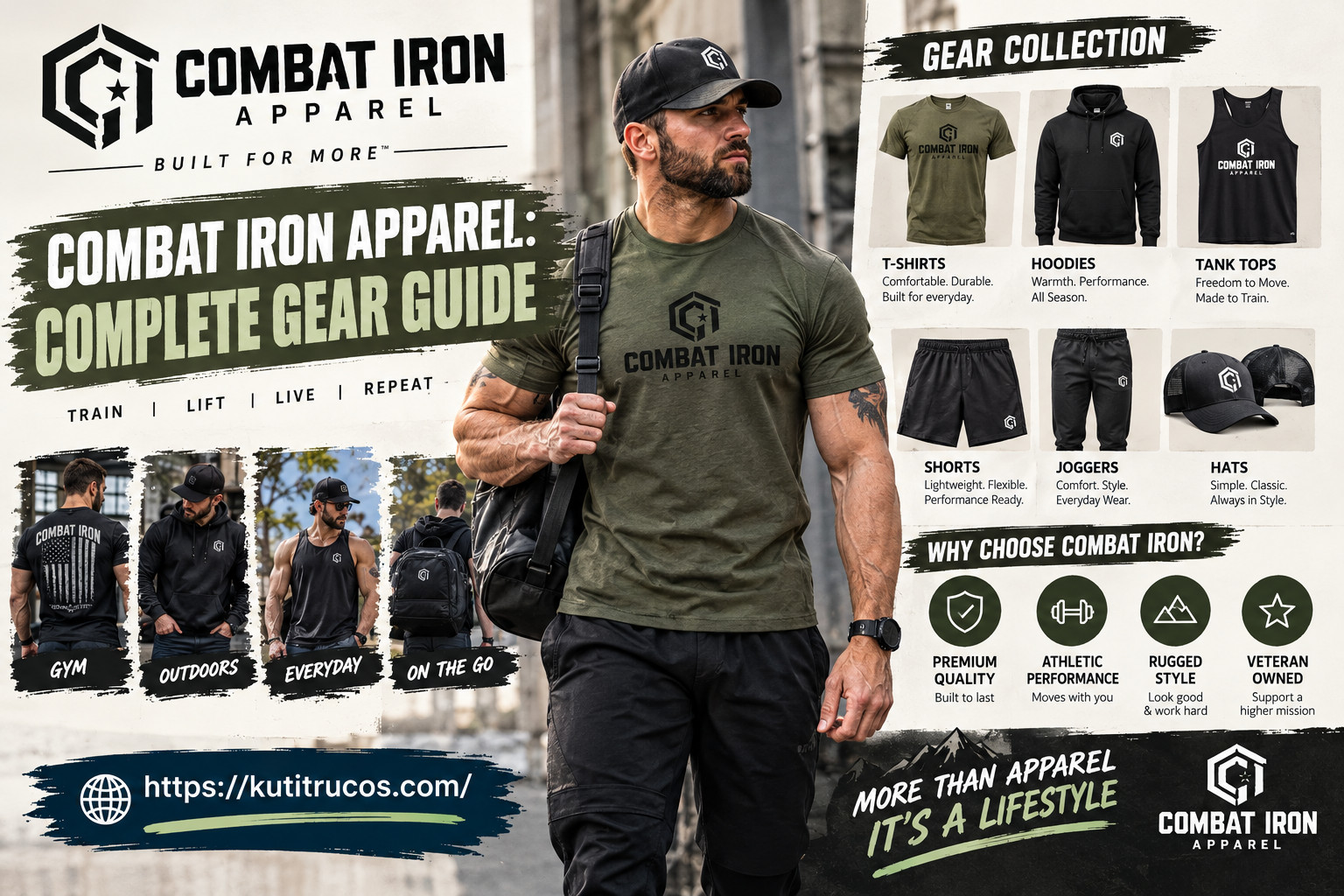
For American shoppers, the brand offers an alternative to conventional sportswear. Its catalog includes graphic T-shirts, heavyweight shirts, hoodies, training shorts, tank tops, casual bottoms, and bags. Some products are designed around lifting and conditioning, while others suit recovery days, travel, and everyday wear. The company says it was established in 2016 and describes its apparel as equipment for training, movement, tactical applications, and daily use.
Yet a brand’s identity and product photographs only tell part of the story. Buyers also need to consider garment construction, sizing, fabric, pricing, delivery expectations, and customer service. A shirt that fits well may be an excellent addition to a workout wardrobe, but an unclear return policy or delayed shipment can make the purchasing experience frustrating.
This guide takes a practical look at Combat Iron Apparel for US consumers. It explores the brand’s products, intended audience, fit options, outfit ideas, care requirements, customer feedback, and the questions worth answering before placing an order.
What Is Combat Iron Apparel?
Combat Iron Apparel is a performance and lifestyle clothing brand with an athletic identity influenced by strength training and tactical culture. Its visual direction tends to favor bold graphics, confident slogans, and practical silhouettes rather than formal or minimalist fashion.
The company presents itself as a veteran- and law-enforcement-owned business. Its official FAQ states that the brand is 100% Veteran/LEO owned and describes its connection to military, veteran, law-enforcement, fire, and emergency-services communities.
The products are not limited to people working in those professions. Gym-goers, recreational athletes, experienced lifters, and shoppers who like graphic fitness clothing may also find items that suit their wardrobes.
- Training functionality: Clothing intended to support lifting, conditioning, movement, and recovery.
- Graphic-driven design: Printed artwork and slogans that give the products a distinctive appearance.
- Everyday versatility: Casual pieces that can be worn outside the gym without looking like specialist sports equipment.
These elements overlap, but they do not make every product suitable for every activity. A cotton-blend graphic tee, for example, serves a different purpose from technical running apparel. Buyers should select products according to their actual needs instead of assuming that every item offers the same performance features.
Fitness clothing is also part of a broader lifestyle that combines personal style, daily routines, and comfort. Whether you prefer graphic T-shirts, relaxed hoodies, or versatile casual outfits, choosing clothing that fits your activities can help you build a practical wardrobe. Explore more fashion, wellness, and everyday living topics in the Lifestyle section for additional ideas and inspiration.
What Does Combat Iron Apparel Sell?
The catalog covers several clothing categories and accessories. Availability, colors, product specifications, and prices can change, so the details shown on the individual product page should be treated as the most relevant reference.
1. Graphic T-Shirts
Graphic T-shirts are an important part of the brand’s identity. They provide an accessible option for shoppers who want distinctive workout clothing without purchasing a complete outfit.
A graphic tee can be worn during weight training, light conditioning, errands, or casual weekends. Its versatility depends on the cut and material. A breathable, relatively lightweight shirt may work well in warm weather, while a heavier shirt creates a more substantial silhouette.
Combat Iron’s official product pages distinguish between standard graphic tees and heavyweight designs. The brand describes its standard tees as athletic-fitting and its heavyweight versions as more relaxed and oversized. It also provides garment measurements to help shoppers choose a size.
When comparing these options, look beyond the printed design. Consider the shirt’s length, chest width, sleeve shape, and fabric composition. Those details will have a greater effect on comfort than the graphic alone.
2. Heavyweight T-Shirts
Heavyweight tees appeal to people who prefer a more structured shirt. Compared with lighter shirts, a heavier garment may hang differently, create a fuller outline, and feel more substantial.
This style can be useful as a relaxed gym shirt or as part of an everyday streetwear outfit. It may also suit shoppers who prefer more coverage and a looser silhouette.
A heavyweight tee is not automatically more breathable, more durable, or more comfortable than a lighter one. The quality of the fabric, stitching, finishing, and fit all contribute to the result.
If you train in a warm gym or exercise outdoors during a humid American summer, compare the material and care instructions before choosing a heavier design.
3. Training Shorts
Training shorts are another important category for people building a functional gym wardrobe. Different activities call for different inseam lengths and construction.
Shorter shorts can provide greater freedom around the legs, while longer designs offer more coverage. Lined shorts may provide additional support, whereas unlined shorts can suit people who prefer a less restrictive feel.
Combat Iron’s official sizing guide organizes its men’s shorts by styles and intended uses. Its examples include short-inseam options, five-inch training designs, longer options, and lined versions. The guide also identifies differences in pockets and intended activities.
Before ordering, consider the movements you perform most often. Squats, lunges, sprinting, cycling, and general weight training can place different demands on a pair of shorts.
Check whether the product includes a liner, how many pockets it has, and whether the waistband offers the adjustment you prefer.
4. Tank Tops
They can be comfortable for lifting and other indoor workouts, particularly in warm conditions.
Fit is especially important with this category. A tank that is too tight may restrict movement, while one that is too loose may shift during certain exercises.
Choose a design that allows your arms and shoulders to move freely. If you plan to use it for high-intensity workouts, inspect the fabric description and consider how quickly it dries.
5. Hoodies and Outerwear
The brand’s official sizing guide describes its men’s hoodies as standard-fit and heavyweight. That suggests shoppers should pay attention to both the intended fit and the fabric weight when selecting a size.
A heavier hoodie may be useful in colder regions of the United States, while people living in warmer states may prefer to reserve it for winter, air-conditioned spaces, and early mornings.
Do not buy outerwear based on appearance alone. Check the body length, sleeve length, and room across the shoulders, particularly if you intend to wear another shirt underneath.
6. Bags and Accessories
Combat Iron also presents bags and related accessories as part of its broader training and everyday-use offering. Its sizing resource lists different bag formats, including backpacks, duffel bags, and smaller packs.
For a gym bag, the useful questions are straightforward: Does it fit your shoes, clothing, towel, and water bottle? Are the compartments suitable for your routine? Is the capacity appropriate for a daily workout or an overnight trip?
People looking for tactical or travel-oriented features should read the specifications carefully. A product’s military-inspired appearance does not, by itself, establish its load capacity, weather resistance, or suitability for demanding field conditions.
Who Might Like Combat Iron Apparel?
The brand may appeal to several types of American shoppers, although individual products will suit different needs.
Weightlifters and gym regulars: Graphic tees, training shorts, and tanks can provide a casual workout wardrobe. Fit and material should still be matched to the type of training involved.
People who enjoy military-inspired style: The brand’s identity and graphic approach may appeal to shoppers who like bold athletic designs rather than plain sportswear.
Casual fitness enthusiasts: Someone who goes to the gym a few times each week may appreciate clothing that works for exercise and everyday errands.
Shoppers who prefer relaxed silhouettes: Heavyweight tees and other looser pieces may suit people who favor roomier clothing.
Buyers interested in veteran-owned businesses: The company’s stated ownership identity may be a factor for shoppers who deliberately seek out businesses with that background. It should be considered alongside the practical merits of the products and service.
The brand will not necessarily suit everyone. Runners seeking highly technical moisture management, people who need specialist protective workwear, or shoppers who prefer understated clothing may find that particular items do not match their priorities.
How to Choose the Right Size
Sizing deserves attention before any apparel purchase, especially when ordering online. Two shirts marked with the same nominal size can feel different because of their cut, material, and intended silhouette.
Combat Iron publishes separate sizing information for different products and categories. Its guidance explains that graphic tees, heavyweight tees, tank tops, and hoodies do not all use the same fit profile. The company recommends comparing measurements with the relevant product chart rather than relying on a single size across the entire catalog.
Start With a Garment You Already Own
Find a T-shirt, hoodie, or pair of shorts that fits the way you like. Measure it according to the method specified on the product chart and compare those dimensions with the item you are considering.
For shirts, chest width and length are particularly useful. For shorts, waist measurements and inseam can help determine whether the garment will provide the coverage you want.
Remember that measurements taken across a garment laid flat are not the same as measurements around your body. Follow the chart’s instructions so you are comparing like with like.
Decide How You Want the Clothing to Fit
An athletic fit usually looks more shaped through the upper body, while an oversized cut creates a roomier outline.
Neither option is automatically better. A close-fitting shirt may suit someone who likes a clean silhouette, while a heavyweight oversized tee can feel more natural for casual wear.
Think about movement as well. Clothing should not pull uncomfortably across your shoulders, restrict your squat, or force you to keep adjusting the waistband.
Do Not Size Up Automatically
Some shoppers assume that all gym clothing should be purchased one size larger. That can result in sleeves that are too long, excessive fabric around the waist, or shorts that move around during exercise.
Sizing up can make sense when you deliberately want a baggier fit, but it should be a decision based on measurements and preference.
If you fall between sizes, check the product-specific fit notes. When the information is unclear, ask the company to clarify the garment’s dimensions before ordering.
How to Style Combat Iron Apparel
Workout clothing can be practical without making every outfit look like you have just left a training session. A few simple combinations can help the pieces work in different settings.
For the Gym
Pair a graphic tee with training shorts and supportive athletic shoes. Choose a combination that allows unrestricted movement and works with the temperature of your gym.
If your shirt has a prominent graphic, keep the rest of the outfit relatively simple. This creates a balanced appearance without requiring matching colors throughout.
For Outdoor Training
For outdoor workouts, prioritize the weather and activity. A lightweight tee and suitable shorts may work well in hot conditions, while a hoodie or additional layer can be useful in cooler weather.
If you train in rain, snow, or strong wind, consider whether ordinary cotton-blend clothing is adequate. Specialized weather-resistant garments may be a better option when conditions demand them.
For Casual Weekends
A graphic tee, relaxed shorts, and clean sneakers create an easy casual outfit. In cooler weather, substitute joggers or jeans and add a hoodie.
This approach works because the clothing is comfortable and visually coordinated without looking overly formal. It is appropriate for many everyday activities, although workplaces and events may have different dress expectations.
For Travel
Comfortable tees, hoodies, and casual bottoms can be useful for road trips and airport travel. Choose pieces that are comfortable for long periods of sitting and easy to layer when temperatures change.
A bag should be selected according to what you need to carry rather than its appearance alone. Check the dimensions and compartments if you plan to use it for gym equipment or travel essentials.
Is Combat Iron Apparel Good Quality?
Quality is best assessed at the product level. Fabric, stitching, sizing consistency, print durability, and performance during repeated use all influence how satisfied a buyer will be.
The company describes its clothing as designed for training, movement, and everyday wear, with an emphasis on durable construction. These are the brand’s stated product goals rather than independent proof that every item will perform equally well.
Customer feedback provides additional context, but it should be interpreted carefully.
At the time of the retrieved Trustpilot results, the company profile showed a TrustScore of 4.1 out of 5 based on 389 reviews. Its review summary highlighted positive comments about clothing comfort, design, and perceived quality, while also mentioning complaints about shipping delays, tracking, and missing items. The same results showed a noticeable share of one-star reviews.
The Better Business Bureau’s customer-review page presented a less favorable picture, displaying an average rating of 1.29 from 31 customer reviews. Several posted complaints described difficulties obtaining responses, exchanges, or shipping updates. The BBB also states that it is not endorsing the company and does not guarantee the accuracy of third-party customer statements.
These sources measure different sets of submitted feedback and should not be treated as a controlled quality test. They do, however, illustrate an important distinction: customers may like the clothing they receive while still experiencing problems with ordering or support.
A sensible approach is to evaluate the specific garment, review recent customer experiences, and consider the seller’s current delivery and return policies before spending money.
Shipping, Returns, and Customer Service
For US shoppers, the buying experience includes more than the listed price. Delivery estimates, tracking updates, exchange procedures, and access to customer support can affect whether an order is worth placing.
Combat Iron’s official FAQ states that its products come with a 90-day warranty covering defects in materials and workmanship under normal use. The company says the available resolution may include repair, replacement, or store credit, depending on the situation. Buyers should read the current warranty terms to understand the exclusions and claim process.
A warranty is not the same as a general return policy. It may address eligible defects without automatically covering a change of mind, an unsuitable size, or ordinary wear.
Before purchasing, check the following:
- Processing time: Determine whether the product is in stock and whether any stated processing period applies before shipping.
- Delivery estimate: Check the estimated arrival date and available tracking information.
- Exchange rules: Understand how to request a different size and whether the item must remain unworn.
- Return costs: Look for any shipping, restocking, or other applicable fees.
- Warranty coverage: Review the time limit, qualifying defects, and documentation required.
- Support options: Save the company’s current contact details and order confirmation.
Because customer reports include complaints about delayed orders and support responses, it is reasonable to pay particular attention to these details before checkout. That does not mean every order will experience a problem; it means buyers should make their decision with realistic expectations.
How to Care for Your Workout Clothes
Even well-made clothing can deteriorate if it is washed or dried incorrectly. A simple care routine can help preserve the fabric and printed graphics.
Read the care label first. Fabric blends and printed finishes can require different treatment. Instructions for one T-shirt should not automatically be applied to every hoodie or pair of shorts.
Wash graphic clothing inside out. This can reduce friction against the printed surface and help limit unnecessary wear.
Use an appropriate water temperature. Follow the garment’s instructions, and avoid excessive heat when it is not recommended.
Choose detergent carefully. Use a detergent suitable for the material and avoid bleach on graphics unless the label specifically permits it.
Dry according to the label. High temperatures can affect some fabrics, elastic components, and printed designs. If air-drying is recommended, reshape the garment and let it dry thoroughly.
Avoid storing damp workout gear. Clothing left wet after a training session can develop unpleasant odors. Allow it to dry promptly before placing it in a drawer or gym bag.
Inspect high-wear areas. Waistbands, seams, collars, and pockets often experience repeated stress. Check them periodically and follow any repair or warranty instructions if a defect appears.
Is Combat Iron Apparel Worth Buying?
Whether Combat Iron Apparel is worth buying depends on the product, your preferred style, and your expectations for service.
The brand offers a recognizable training-oriented aesthetic, a range of casual and athletic clothing, and product-specific sizing information. Those features may appeal to people who want graphic gym apparel rather than conventional minimalist sportswear.
At the same time, no single brand is automatically the right choice for every workout. A heavyweight graphic tee may be ideal for someone who enjoys relaxed clothing, while a runner may need lighter technical fabric. Similarly, a buyer who values a particular graphic may prioritize appearance, whereas someone who trains daily may care more about comfort, fit, and repeated-wash performance.
Customer feedback should also be part of the decision. The available review sources contain positive comments about the clothing as well as negative reports concerning delivery and customer support. Review the most recent experiences and the current policies rather than relying solely on advertising or a single rating.
For a first purchase, consider starting with one item instead of committing to a large order. Check the measurements, confirm the total cost, save the order information, and evaluate the experience before buying more.
Frequently Asked Questions
What Is Combat Iron Apparel Known For?
Combat Iron Apparel is known for training-oriented clothing, graphic T-shirts, workout shorts, hoodies, and a military-inspired athletic identity. The company describes its products as suitable for training and everyday wear.
Is Combat Iron Apparel a Veteran-Owned Brand?
The company’s official FAQ describes Combat Iron Apparel as 100% Veteran/LEO owned. This is the company’s stated ownership description.
Does Combat Iron Apparel Offer Men’s and Women’s Clothing?
Yes. Its official sizing resource includes separate men’s and women’s product categories, with fit guidance for different garments. Check the category-specific chart for the item you want to purchase.
How Do Combat Iron Shirts Fit?
Fit varies by style. The brand describes its standard graphic tees as athletic-fitting and its heavyweight tees as more relaxed. Compare the measurements and fit notes for the exact product before choosing a size.
Does Combat Iron Apparel Offer a Warranty?
Its official FAQ states that products have a 90-day warranty for qualifying material and workmanship defects under normal use. Review the current terms to understand eligibility and available resolutions.
Are Customer Reviews Positive?
Feedback is mixed. Some reviewers praise the clothing’s comfort and design, while other customers report delivery delays, missing items, or difficulties obtaining support. Ratings differ between review platforms, so read recent, relevant reviews before ordering.
Can Combat Iron Apparel Be Worn Outside the Gym?
Yes. Graphic tees, hoodies, and casual shorts can be worn for errands, travel, and relaxed social activities. Choose pieces according to the weather, activity, and dress requirements of the occasion.
What Should I Check Before Buying?
Review the product measurements, material composition, price, shipping estimate, return policy, and warranty terms. If buying from a third-party seller, also verify that seller’s identity and the item’s condition.
Final Thoughts
Combat Iron Apparel combines athletic clothing with a bold, training-focused visual identity. Its product range gives shoppers several options, from everyday graphic tees to training shorts, hoodies, and bags.
The best way to assess the brand is to look beyond its marketing. Compare the garment’s fit and material with your needs, read recent customer feedback, and understand the delivery, return, and warranty policies before placing an order.
For American consumers who appreciate military-inspired fitness style, the brand may be worth exploring. A careful first purchase, based on clear measurements and realistic expectations, is a better starting point than buying an entire wardrobe at once.

