

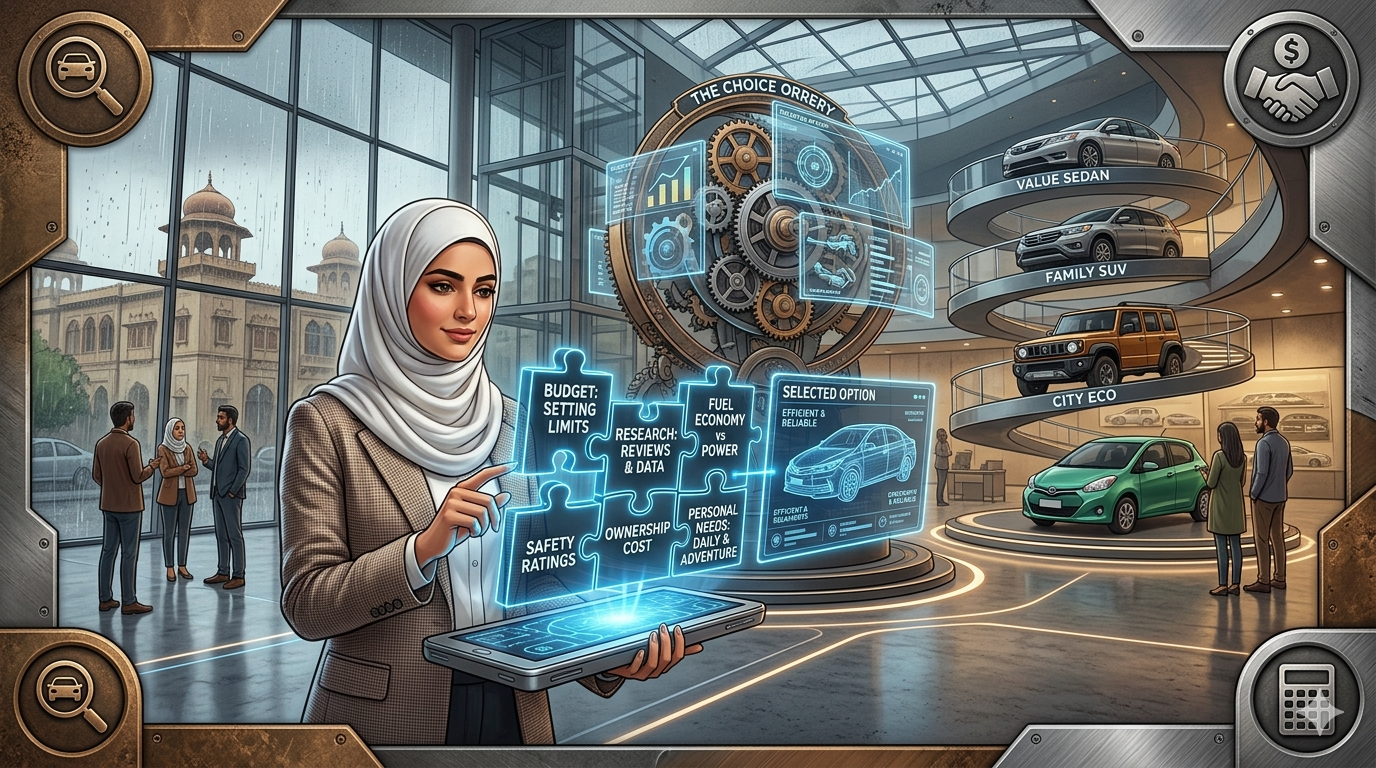
Buying a vehicle is exciting, but it can also become overwhelming very quickly. Between pricing, financing, features, dealerships, warranties, and dozens of vehicle choices, many buyers end up making decisions they regret later. A car is not simply transportation-it is a long-term financial commitment that affects your daily life, monthly expenses, and overall ownership experience.
Whether you are purchasing your first car, replacing an older vehicle, or upgrading to something different, making informed decisions can save money and reduce future problems.
This guide covers practical car buying tips that help buyers choose wisely, avoid common mistakes, and make more confident purchasing decisions.
Start With Your Real Needs, Not Just Your Wants
One of the biggest mistakes buyers make is shopping based purely on appearance or trends.
Before exploring vehicles, ask yourself:
- How often will the vehicle be used?
- Will you drive mostly city roads or highways?
- How many passengers regularly travel with you?
- Do you need cargo space?
- What weather conditions will you drive in?
Answering these questions helps narrow choices.
A vehicle that looks exciting may not always match everyday requirements.
Establish a Realistic Budget First
Budget planning should happen before visiting dealerships or browsing listings.
Consider more than purchase price.
Ownership costs include:
- Fuel expenses
- Insurance costs
- Maintenance
- Registration fees
- Repairs
- Financing costs
Many buyers focus only on monthly payments instead of total ownership costs.
A realistic budget prevents financial pressure later.
New vs Used: Understand the Differences
Choosing between new and used vehicles depends on priorities.
Advantages of New Vehicles
- Latest technology
- Full warranties
- Lower immediate repair risks
- Better financing options
Advantages of Used Vehicles
- Lower purchase prices
- Reduced depreciation impact
- Lower registration costs
Neither option is automatically better.
Your financial goals should guide the decision.
Research Before Visiting Sellers
Entering the buying process without research creates disadvantages.
Research helps understand:
- Average pricing
- Reliability history
- Fuel efficiency
- Common problems
- Ownership costs
Prepared buyers make better decisions and negotiate more effectively.
Consider Long-Term Ownership Costs
Cheap purchase prices can sometimes create expensive ownership.
Evaluate:
Fuel Economy
Higher fuel consumption increases monthly expenses.
Maintenance Costs
Some vehicles require more expensive service.
Parts Availability
Readily available parts often reduce repair expenses.
Insurance Rates
Some models cost more to insure.
Long-term affordability matters more than initial excitement.
Understand Vehicle Reliability
Reliability directly influences ownership satisfaction.
Questions worth considering include:
- Does the vehicle have common mechanical problems?
- Are repairs expensive?
- Is maintenance straightforward?
- Does the model have a strong durability record?
Reliable vehicles generally create fewer unexpected expenses.
Never Skip a Test Drive
A vehicle may look perfect online but feel completely different in person.
During a test drive evaluate:
- Seat comfort
- Visibility
- Braking response
- Steering feel
- Cabin noise
- Acceleration
- Parking ease
Spend enough time driving to notice details.
Short drives often hide problems.
Inspect Used Vehicles Carefully
When buying used vehicles, inspection becomes extremely important.
Look for:
Exterior Problems
- Paint inconsistencies
- Rust
- Body damage
Interior Condition
- Excessive wear
- Unusual smells
- Damaged electronics
Mechanical Concerns
- Strange noises
- Warning lights
- Fluid leaks
Inspection reduces surprises later.
Vehicle History Matters
A vehicle’s history often reveals hidden risks.
Important factors include:
- Accident records
- Service history
- Ownership history
- Flood damage
- Mileage consistency
Skipping history checks increases buying risk.
Avoid Buying Based Only on Monthly Payments
Monthly payment marketing can be misleading.
Lower monthly payments may result from:
- Longer loan terms
- Higher interest costs
- Larger overall expenses
Always evaluate:
- Total price
- Interest costs
- Loan length
- Total ownership cost
Focus on overall financial impact.
Understand Financing Before Signing Anything
Financing confusion causes many purchasing mistakes.
Review:
Interest Rates
Small differences create large cost changes.
Loan Length
Longer terms often increase overall spending.
Down Payments
Larger down payments reduce financing pressure.
Hidden Fees
Always review final paperwork carefully.
Understanding financing improves decision quality.
Consider Fuel Type Carefully
Different fuel choices create different ownership experiences.
Options include:
Gasoline Vehicles
Widely available and familiar.
Hybrid Vehicles
Often improve fuel economy.
Electric Vehicles
Reduce fuel consumption but require charging considerations.
Diesel Vehicles
May provide benefits depending on usage.
Choose based on lifestyle rather than trends.
Technology Features Should Match Your Needs
Modern vehicles offer countless features.
Common examples include:
- Driver assistance systems
- Large screens
- Parking cameras
- Smartphone integration
- Navigation systems
More features do not automatically mean better ownership.
Focus on features you actually use.
Think About Resale Value
Some vehicles lose value faster than others.
Resale value affects:
- Future trade-ins
- Ownership costs
- Total financial impact
A vehicle with stronger resale potential may provide better long-term value.
Do Not Rush the Process
Pressure creates poor decisions.
Take time to:
- Compare options
- Review pricing
- Research ownership costs
- Ask questions
Buying slowly often produces better outcomes.
Negotiate With Preparation
Negotiation becomes easier when buyers understand:
- Market pricing
- Vehicle condition
- Competing options
Preparation increases confidence.
Avoid negotiating based only on emotions.
Read Warranty Information Carefully
Warranties vary significantly.
Understand:
- Coverage length
- Included components
- Maintenance requirements
- Exclusions
Many buyers misunderstand warranty limitations.
Consider Future Lifestyle Changes
Think beyond current needs.
Ask:
- Will family size change?
- Will commuting distance increase?
- Will storage needs change?
Choosing only for current situations may create future problems.
Common Car Buying Mistakes to Avoid
Many buyers repeat similar mistakes.
These include:
- Skipping inspections
- Ignoring ownership costs
- Buying emotionally
- Overstretching budgets
- Ignoring insurance costs
- Avoiding research
Avoiding mistakes can save substantial money.
Create a Simple Buying Checklist
A basic checklist improves decision making:
Before Shopping
- Set budget
- Research vehicles
- Review financing
During Shopping
- Test drive
- Inspect condition
- Compare options
Before Purchase
- Review paperwork
- Confirm pricing
- Understand warranties
Checklists reduce missed details.
Final Thoughts
Buying a vehicle is a major financial decision that deserves careful planning. The best purchase is not always the newest, most expensive, or most popular option.
Smart buyers focus on:
- Budget compatibility
- Reliability
- Ownership costs
- Safety
- Long-term satisfaction
Taking time to research, compare, inspect, and plan can transform car buying from a stressful experience into a confident decision.
A well-informed purchase today often leads to years of easier ownership tomorrow.

