

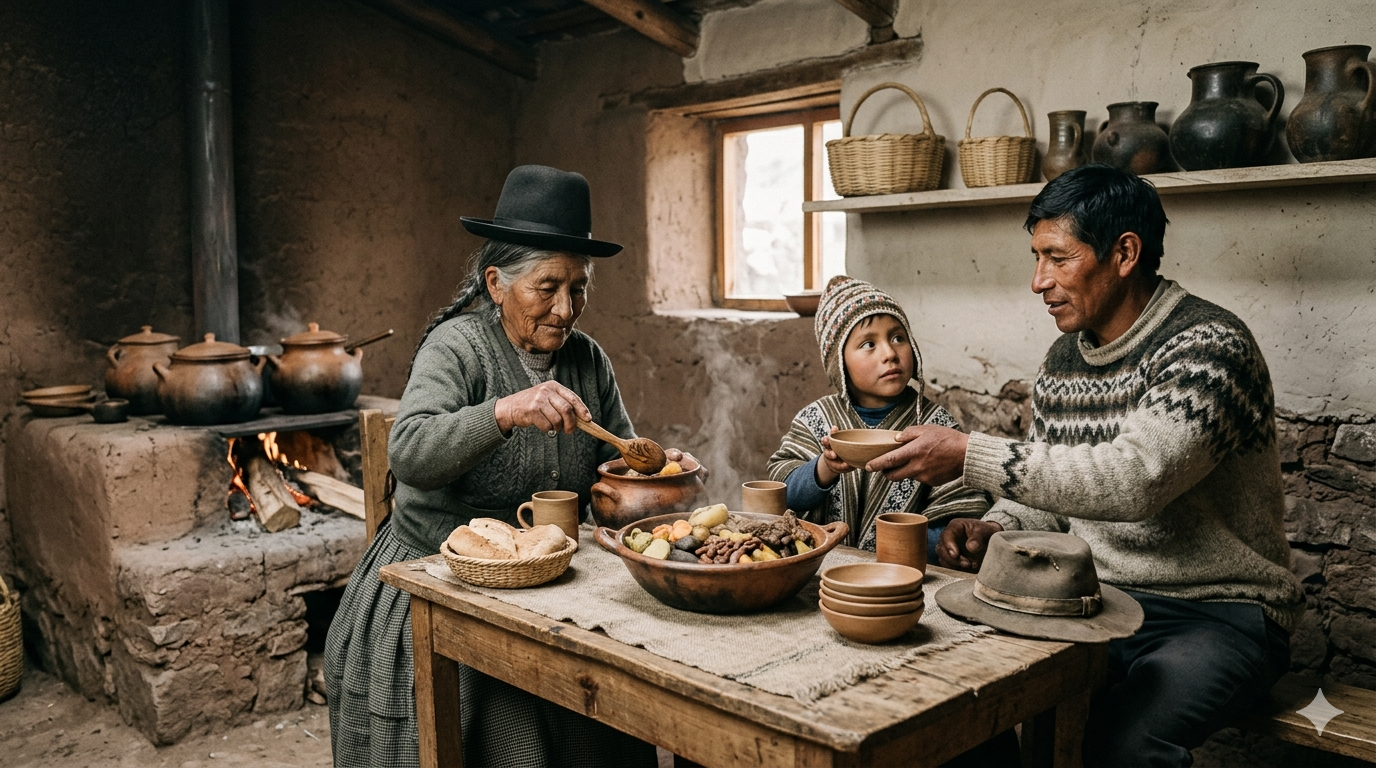
Introduction: The Meaning of Traditional Cuisine
Traditional cuisine refers to the food that is passed down through generations within a culture or community. It is more than just cooking-it represents history, identity, and lifestyle. Every country in the world has its own traditional dishes that reflect its geography, climate, religion, and cultural values.
These dishes are often prepared using age-old methods and local ingredients that have been used for centuries.
In today’s modern world, where fast food and global chains are everywhere, traditional cuisine continues to hold a special place in people’s hearts. It connects individuals to their roots and preserves cultural heritage.
The Cultural Importance of Traditional Cuisine
Food plays a powerful role in shaping culture. Traditional cuisine is often linked with celebrations, festivals, family gatherings, and religious events. Each dish carries meaning and represents the identity of a community.
For example:
- In South Asia, spices and rich curries reflect a history of trade and agriculture
- In Italy, pasta and olive oil represent simplicity and regional farming traditions
- In Japan, sushi and rice dishes highlight balance, discipline, and respect for nature
- In Mexico, corn-based dishes represent ancient civilizations and indigenous culture
These examples show that traditional cuisine is deeply connected to history and geography.
Why Traditional Cuisine Is So Important
Traditional food is important for several reasons beyond taste:
1. Cultural Identity
Traditional dishes help people stay connected to their cultural roots. Even when living abroad, families prepare traditional meals to preserve identity.
2. Passing Down Knowledge
Recipes are often taught from parents to children, preserving cooking techniques and cultural knowledge across generations.
3. Emotional Connection
Many traditional foods are associated with childhood memories, festivals, and family gatherings, creating strong emotional bonds.
4. Natural Ingredients
Traditional cuisine often uses local and seasonal ingredients, making it healthier and more natural compared to processed food.
Characteristics of Traditional Cuisine
Traditional cuisine has some unique features that distinguish it from modern or fast food:
✔ Use of Local Ingredients
Traditional dishes rely on ingredients that are naturally available in a region.
✔ Time-Honored Cooking Methods
Slow cooking, grilling, steaming, and fermentation are common methods.
✔ Regional Diversity
Even within one country, different regions have their own unique dishes and flavors.
✔ Cultural Influence
Religion, climate, and history all influence how traditional food is prepared.
Examples of Traditional Cuisine Around the World
🇮🇳 South Asian Cuisine
South Asian traditional cuisine includes rich curries, biryani, lentils, and bread like naan and roti. Spices such as turmeric, cumin, and coriander are widely used.
🇮🇹 Italian Cuisine
Italian food is known for pasta, pizza, olive oil, cheese, and fresh herbs. Simplicity and freshness are key features.
🇲🇽 Mexican Cuisine
Mexican traditional cuisine includes tacos, tamales, enchiladas, and dishes made with corn, beans, and chili peppers.
🇯🇵 Japanese Cuisine
Japanese food focuses on rice, seafood, and seasonal ingredients. Sushi, ramen, and miso soup are popular examples.
🇬🇷 Mediterranean Cuisine
Olive oil, vegetables, bread, and grilled meats are the foundation of Mediterranean traditional food.
How Traditional Cuisine Is Preserved
Despite modernization, traditional cuisine is still preserved in many ways:
1. Family Cooking
Families continue to cook traditional dishes at home, especially during special occasions.
2. Restaurants and Street Food
Many restaurants specialize in authentic regional dishes to keep traditions alive.
3. Cultural Festivals
Food festivals celebrate traditional cuisine and introduce it to younger generations.
4. Cookbooks and Media
Recipes are documented in books, videos, and online platforms for future generations.
Challenges Facing Traditional Cuisine
Although traditional food is important, it faces several challenges in the modern world:
Global Fast Food Culture
Fast food is more convenient, leading younger generations to prefer it over traditional meals.
Urban Lifestyle
Busy city life reduces time for slow cooking traditional recipes.
Loss of Ingredients
Some traditional ingredients are becoming harder to find due to globalization.
Changing Preferences
People often prefer modern fusion foods over authentic traditional dishes.
The Rise of Fusion Cuisine
While traditional cuisine remains important, a new trend called fusion cuisine is becoming popular. Fusion food combines traditional recipes with modern cooking styles or ingredients.
For example:
- Sushi burgers
- Pizza with local spices
- Tacos with Asian fillings
Fusion cuisine helps keep traditional flavors alive while adapting to modern tastes.
Health Benefits of Traditional Cuisine
Traditional foods are often healthier than processed foods because they are made from natural ingredients.
Benefits include:
- Less processed sugar and chemicals
- More fresh vegetables and grains
- Balanced nutrition
- Better digestion due to natural cooking methods
Many traditional diets, such as Mediterranean and Asian cuisines, are considered among the healthiest in the world.
The Emotional Value of Traditional Food
Traditional cuisine is not just about nutrition-it is about emotions. A simple dish cooked by a grandmother or parent can bring back powerful memories.
Food connects generations and strengthens relationships. It is often said that food is a universal language, and traditional cuisine is its most authentic expression.
Why Traditional Cuisine Will Always Remain Important
Even in a fast-changing world, traditional cuisine will never disappear. People may adopt modern food habits, but cultural dishes will always remain a symbol of identity and pride.
As more people travel and explore different cultures, traditional cuisine continues to gain global appreciation. Restaurants, chefs, and food lovers are working to preserve and promote these recipes.
Conclusion: The Timeless Value of Traditional Cuisine
Traditional cuisine is a reflection of history, culture, and human connection. It tells the story of communities, preserves heritage, and brings people together through shared meals.
From ancient recipes passed down through generations to modern restaurants serving authentic dishes, traditional food continues to play an important role in our lives.
In a world full of fast food and modern dining trends, traditional cuisine remains a reminder of where we come from and what we value most-culture, family, and tradition.

