

Introduction
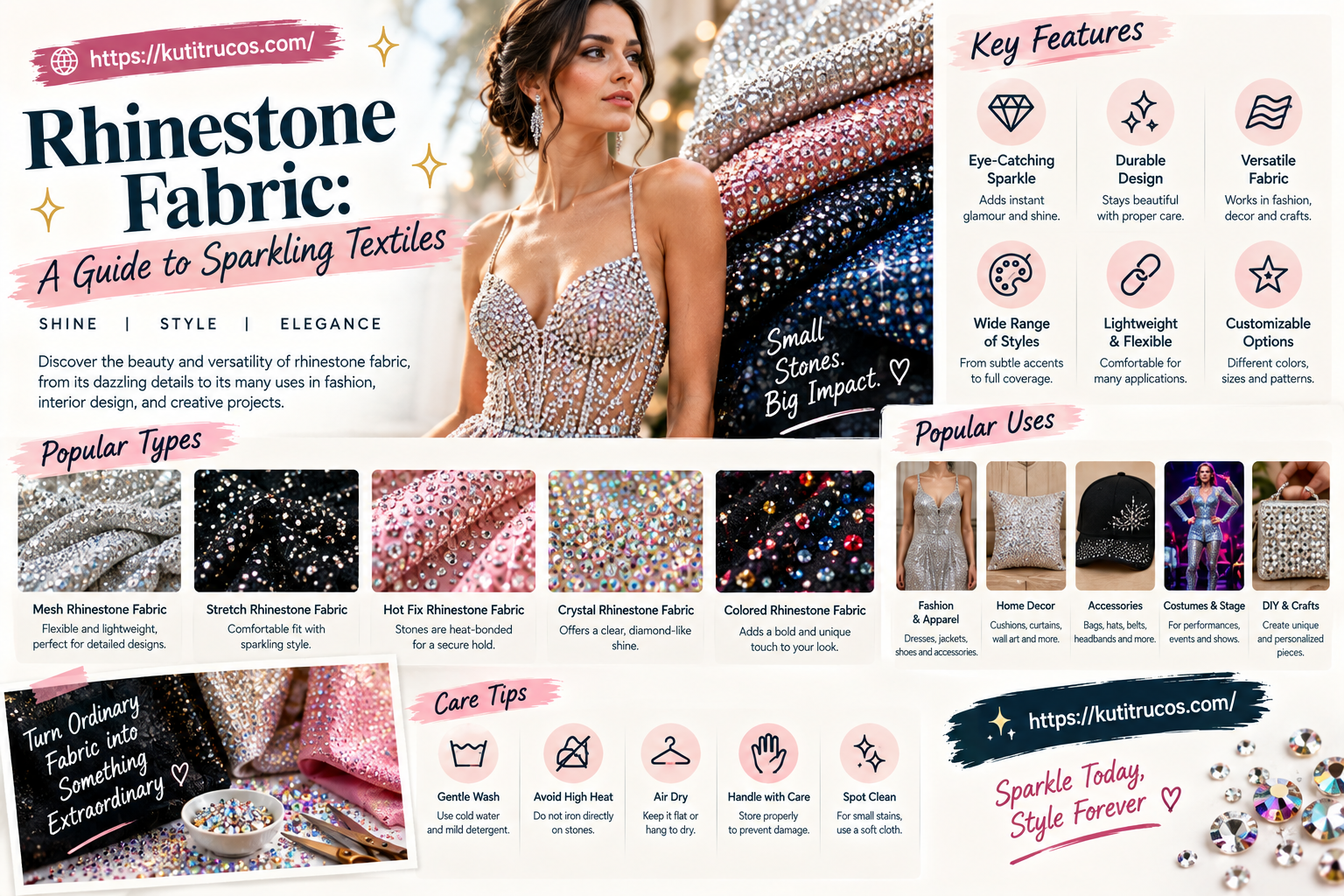
Rhinestone fabric is a popular choice for designers, fashion enthusiasts, and creative professionals who want to add sparkle, texture, and glamour to their projects. Decorated with reflective rhinestones, crystals, or imitation gemstones, this eye-catching material can transform an ordinary garment or accessory into a striking statement piece.
From elegant evening gowns and stage costumes to handbags, dancewear, and decorative accents, rhinestone fabric offers numerous creative possibilities. It is available in different colors, patterns, stone sizes, and base materials, making it suitable for both subtle embellishments and bold designs.
Choosing the right material is an important step when creating embellished clothing or statement pieces. Exploring specialist fabric suppliers, such as B&J Fabrics, can help designers discover different textiles, textures, and decorative materials for projects ranging from elegant eveningwear to creative fashion designs.
Understanding the different types of rhinestone fabric, how to choose the right option, and how to care for it can help you achieve attractive and long-lasting results.
What Is Rhinestone Fabric?
Rhinestone fabric is a textile embellished with small decorative stones designed to reflect light. These stones are typically made from glass, acrylic, resin, or crystal-like materials. Depending on the design, they may be attached to the fabric using adhesive, heat-activated backing, stitching, or specialized setting techniques.
The base material can vary considerably.
Because the rhinestones can catch and reflect light from different angles, the fabric is especially popular for garments and accessories intended to stand out under indoor lighting, stage lights, or photography.
Why Is Rhinestone Fabric So Popular?
Eye-Catching Appearance
The primary appeal of rhinestone fabric is its shine. Rhinestones reflect light and create a decorative effect that can make a garment look more luxurious or dramatic.
Designers can choose clear stones for a classic sparkling finish or colored embellishments for a coordinated and expressive appearance.
Versatile Design Options
Rhinestone fabric is available in countless combinations of stone shapes, colors, sizes, and arrangements.
Some textiles feature evenly spaced stones, while others have intricate patterns that resemble embroidery or jewelry.
Suitable for Special Occasions
Rhinestone fabric is frequently used for clothing designed for weddings, parties, formal events, stage performances, and celebrations. Its reflective surface can complement evening lighting and help decorative details stand out in photographs.
Opportunities for Customization
Crafters and clothing designers can use rhinestone fabric to personalize garments, bags, shoes, and accessories.
However, cutting and sewing require care because trimming through attached stones or adhesive areas may damage the material.
Popular Types of Rhinestone Fabric
Different rhinestone fabrics serve different purposes. Selecting the right type depends on the project, desired appearance, and required level of flexibility.
Rhinestone Mesh Fabric
Rhinestone mesh fabric features decorative stones attached to a mesh base. The mesh may be stretchy or non-stretch, depending on its construction.
Stretchy mesh is commonly used for dancewear, performance costumes, fitted dresses, and decorative sleeves. It can provide flexibility while allowing the embellishments to create a sparkling finish.
Before purchasing, check how much the mesh stretches and whether the rhinestones interfere with its movement. A densely embellished mesh may behave differently from a lightweight version with fewer stones.
Rhinestone Stretch Fabric
Rhinestone stretch fabric combines elastic fibers or a flexible base with decorative embellishments. It is often used for fitted clothing, bodysuits, dance costumes, and stage outfits.
Its flexibility makes it suitable for designs that require movement, but the stones and their attachment methods can limit the fabric’s natural stretch.
Always test the material before using it for a close-fitting garment.
Rhinestone Velvet Fabric
Rhinestone velvet combines a soft, textured surface with sparkling decorative stones. The contrast between the velvet’s rich appearance and the reflective embellishments creates a luxurious effect.
This type of fabric can work well for eveningwear, jackets, decorative panels, accessories, and special-occasion designs.
Velvet may require more careful handling than smooth woven fabrics, especially when pressing or cleaning. Heat and pressure can affect its pile, while the rhinestones may require separate care.
Rhinestone Sequin Fabric
Rhinestone sequin fabric combines rhinestones with small reflective discs. The result is a highly decorative textile with multiple layers of shine and movement.
It is often used for party dresses, performance clothing, dance costumes, and stage decorations.
Because both the sequins and rhinestones add weight, consider the garment’s construction and lining. Lightweight patterns may require adjustments to support the embellishments comfortably.
Rhinestone Lace Fabric
Its combination of delicate patterns and reflective details makes it popular for bridal fashion, formal dresses, sleeves, and decorative overlays.
Some designs use small crystals to highlight floral motifs, while others distribute the stones throughout the fabric.
When working with lace, pay attention to the open spaces and delicate threads. Cutting the material incorrectly may weaken the pattern or cause the embellishments to detach.
Crystal Rhinestone Fabric
Crystal rhinestone fabric uses crystal embellishments or crystal-like decorative stones to create a brilliant finish. The exact appearance depends on the material, cut, clarity, and quality of the stones.
This category can include premium decorative textiles intended for bridal gowns, luxury eveningwear, stage costumes, and statement accessories.
The term “crystal” does not always mean the stones are made from natural crystal or premium glass. Review the product specifications to understand the actual materials used.
Best Uses for Rhinestone Fabric
Evening Gowns and Formal Dresses
Rhinestone fabric is an excellent option for designers creating glamorous eveningwear. It can be used across an entire dress or applied selectively to the bodice, neckline, sleeves, or waist.
This approach creates visual contrast and can make the rhinestones appear more distinctive.
When designing a complete gown, consider the fabric’s weight, transparency, lining requirements, and how comfortably it moves.
Wedding Dresses and Bridal Accessories
For bridal projects, test the fabric under different lighting conditions. Some stones can appear more reflective or change in visual intensity depending on the surrounding light.
Dancewear and Performance Costumes
Dance costumes, skating outfits, and stage clothing frequently feature rhinestones because their reflective surfaces stand out during performances.
Flexible rhinestone mesh can be particularly useful for fitted designs, provided the material allows sufficient movement. The attachment method is important because repeated stretching and vigorous activity can loosen poorly secured embellishments.
For professional performance clothing, inspect the stones regularly and replace any loose pieces before use.
Jackets and Fashion Tops
Rhinestone fabric can create statement jackets, decorative tops, and fashion-forward outer layers. A jacket with a rhinestone front panel, for example, can look striking without requiring embellishments across the entire garment.
For everyday styling, smaller rhinestone details may be easier to wear than full-coverage designs. Pairing embellished clothing with plain trousers, denim, or a simple skirt can help balance the overall outfit.
Handbags and Accessories
Designers can use rhinestone fabric for evening bags, clutches, purses, headbands, belts, and other accessories.
Accessories often provide a practical way to experiment with embellished textiles without making an entire garment. A small section of rhinestone fabric can create a distinctive accent on an otherwise simple design.
For items that experience frequent handling, choose a durable base and secure attachment method. Areas exposed to repeated rubbing may lose stones more quickly.
Home Decor and Event Decorations
Rhinestone fabric can also be used for decorative table runners, backdrop details, cushion accents, and special-event displays.
Its sparkle may be suitable for weddings, themed parties, photography backgrounds, and stage decorations.
Before using it in home decor, consider cleaning requirements, the risk of snagging, and whether the fabric will come into contact with children or pets. Loose stones may create a choking hazard, so securely attached embellishments are especially important.
How to Choose the Right Rhinestone Fabric
Selecting rhinestone fabric involves more than comparing colors and sparkle. The base material, stone quality, attachment method, and intended application all matter.
Check the Base Material
Start by identifying whether the base is mesh, velvet, satin, lace, polyester, or another textile. Each option has different properties.
Mesh may offer transparency and flexibility, while velvet provides a textured surface. Satin can create a smooth, formal appearance, and lace adds delicate patterning.
Choose a base that supports the garment or accessory you intend to create.
Consider Rhinestone Size and Density
Small rhinestones can produce a delicate, finely detailed finish. Larger stones usually create a bolder visual effect.
Stone density also affects the fabric’s appearance and weight. Full-coverage designs may offer more sparkle but can be heavier and less flexible than fabrics with scattered embellishments.
For clothing that needs to move naturally, compare the density of the stones with the stretch and drape of the base material.
Evaluate the Attachment Method
Rhinestones may be glued, heat-applied, sewn, or attached using other specialized methods.
Each method has advantages and limitations. Adhesive attachments may be sensitive to washing, heat, or repeated friction. Sewn embellishments can provide a secure connection when properly constructed, although the process may take longer.
Ask the supplier how the stones are attached and whether the material is suitable for the intended cleaning method.
Choose the Right Color
Clear rhinestones offer a classic reflective appearance, while colored stones can complement a specific outfit or theme.
Popular options include silver, gold, black, red, blue, pink, and iridescent finishes. The base fabric’s color can also influence the final look.
If the project involves matching an existing garment, order a sample when possible. Screen displays and indoor lighting can make colors appear different from their actual appearance.
Test Flexibility and Comfort
For fitted garments, check whether the fabric stretches in the required direction and returns to its original shape. A textile that stretches adequately before embellishment may become less flexible when covered with stones.
For clothing worn directly against the skin, examine the reverse side. Rough attachments or exposed edges may cause irritation, particularly around the neckline, underarms, and waist.
Review Durability
The quality of rhinestone fabric depends on more than the shine of the stones. The strength of the base material, quality of the adhesive or stitching, and resistance to friction can all influence its lifespan.
Gently inspect a sample for loose stones, uneven spacing, sharp edges, and weak mesh. For larger orders, test the material under the conditions it will experience during use.
How to Sew and Work With Rhinestone Fabric
Rhinestone fabric requires thoughtful preparation because the embellishments can make cutting, stitching, and finishing more challenging.
Prepare the Design
Before cutting the fabric, determine which areas need embellishments and where seams will fall. Avoid placing bulky stones directly along seam lines whenever possible, as they may interfere with stitching or make the finished garment uncomfortable.
For patterned rhinestone fabric, position the design carefully to create a balanced appearance.
Use Suitable Cutting Tools
Sharp fabric scissors or an appropriate rotary cutter can help create clean edges, depending on the textile’s construction.
Cut carefully around embellishments, and avoid damaging the stones or their attachment points. Some heavily embellished materials are best cut between decorative sections rather than directly through them.
Always follow the supplier’s recommendations for handling the specific fabric.
Choose the Correct Needle and Stitch
The appropriate sewing needle and stitch depend on the base material. Lightweight mesh may require different handling from velvet or woven fabric.
Where possible, keep stones away from the needle’s path. A needle striking a hard embellishment may break, damage the stone, or disrupt the stitching.
Test your stitching technique on a scrap before beginning the final garment.
Consider the Lining
A lining can improve comfort by covering the reverse side of the embellishments. It may also help support the garment and reduce direct contact between the stones and skin.
Choose a lining that complements the base fabric’s stretch, weight, and drape. For fitted clothing, a lining with unsuitable elasticity can restrict movement.
Finish Edges Carefully
Some rhinestone fabrics have delicate mesh or lace edges that may fray or unravel. The correct finishing method depends on the base material.
Options may include binding, a suitable seam finish, or incorporating the edge into a lined construction. Avoid trimming away important attachment points unless the fabric’s design allows it.
How to Care for Rhinestone Fabric
Proper care helps maintain the fabric’s appearance and reduces the chance of losing embellishments. Since rhinestone fabrics vary widely, the manufacturer’s care instructions should always take priority.
Check the Cleaning Instructions
Some rhinestone garments may require professional dry cleaning, while certain products may allow gentle hand washing. Do not assume that every rhinestone textile is machine washable.
Water, detergent, agitation, and heat can affect adhesives, stones, linings, and delicate base materials.
Avoid Excessive Heat
High temperatures may weaken adhesives, damage synthetic fibers, or affect decorative finishes. Avoid ironing directly over rhinestones.
If pressing is necessary, follow the garment manufacturer’s instructions and test an inconspicuous area first. Steam should also be used cautiously because heat and moisture may affect some attachments.
Store Garments Carefully
Store rhinestone clothing in a way that prevents stones from catching on other garments. A breathable garment bag may help protect delicate pieces from dust and accidental snagging.
For heavily embellished dresses, consider how the weight is distributed during storage. Some garments may benefit from support around the bodice or careful flat storage, depending on their construction.
Handle Stains Gently
Blot stains rather than rubbing the fabric vigorously. Avoid harsh stain removers until you have confirmed that they are safe for both the textile and its embellishments.
For expensive garments or difficult stains, professional cleaning is often the safer option.
Inspect Loose Rhinestones
Check the garment periodically for missing or loose stones, particularly around seams, cuffs, and areas that experience frequent movement.
Repairing small problems early can prevent additional stones from coming loose. Use a repair method compatible with the original attachment system and fabric type.
Common Mistakes to Avoid
When buying or working with rhinestone fabric, several common mistakes can affect the final result.
- Choosing appearance over function: A beautiful fabric may not have enough stretch or durability for the intended garment.
- Ignoring fabric weight: Dense embellishments can make a garment heavier than expected.
- Cutting through stones carelessly: This may damage the textile or create sharp edges.
- Using excessive heat: Heat can damage some rhinestones and adhesives.
- Assuming every fabric is washable: Incorrect cleaning may loosen stones or damage the base material.
- Skipping a sample test: Testing helps identify problems with color, stretch, comfort, and attachment strength before committing to a large project.
Careful planning can reduce material waste and improve the quality of the finished item.
Where to Buy Rhinestone Fabric
Rhinestone fabric is available from specialist textile stores, online fabric retailers, costume suppliers, bridal-material shops, and wholesale embellishment sellers.
Online shopping can provide access to a broad selection of colors, patterns, and stone arrangements. However, product photographs do not always reveal the true weight, texture, flexibility, or quality of the attachments.
Before placing an order, review the product description, base material, fabric width, embellishment density, minimum order quantity, shipping costs, and return policy.
If you are buying fabric for a commercial project, request samples and ask about consistent stock availability. This is especially useful for designers producing several matching garments or fulfilling bulk orders.
Prices vary depending on the base textile, stone material, embellishment density, brand, and manufacturing process. Compare the specifications rather than choosing solely by price or appearance.
Is Rhinestone Fabric Worth Buying?
Rhinestone fabric can be an excellent choice when a project calls for shine, decorative detail, and a distinctive finish. It offers a practical way to create glamorous clothing, customized accessories, performance costumes, and event decorations.
The best option depends on how the fabric will be used. A stretchy mesh may suit dancewear, while rhinestone velvet may work better for structured fashion pieces or decorative accents. The attachment method and cleaning requirements are just as important as the stones themselves.
For the best results, examine a sample, test the fabric’s flexibility, and make sure its construction matches the demands of your project.
Final Thoughts
Rhinestone fabric combines textile design with reflective embellishments to create materials that can look elegant, dramatic, or playful. Its versatility makes it popular for eveningwear, bridal fashion, performance costumes, accessories, and selected decorative projects.
By considering the base material, stone quality, pattern, flexibility, and care requirements, you can select a fabric that looks attractive and performs well for its intended purpose. Whether you are designing a sparkling dress or adding a small decorative detail to an accessory, the right rhinestone fabric can help bring your creative vision to life.

