

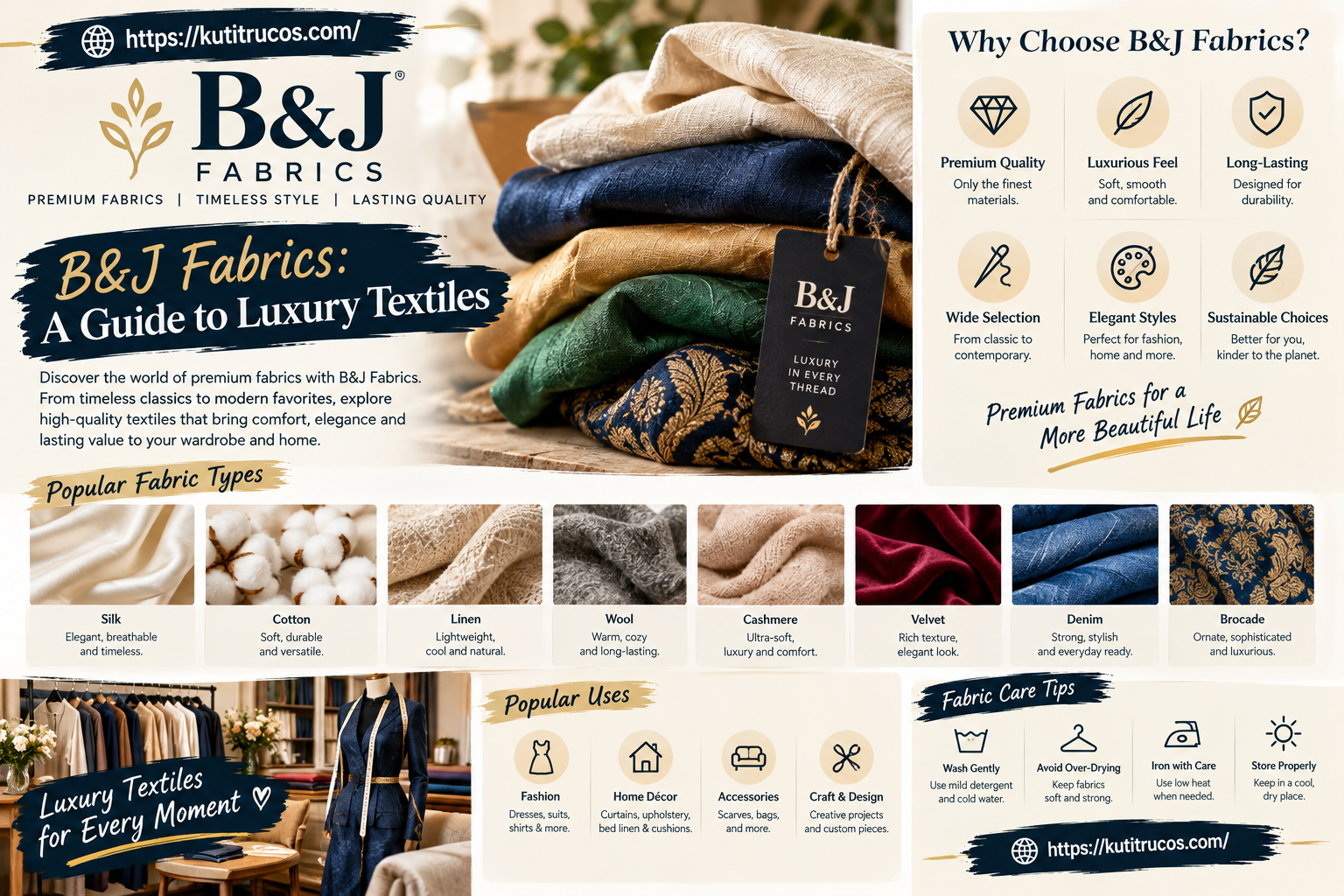
Introduction
Finding the right fabric is an essential part of creating clothing that looks refined, feels comfortable, and maintains its appeal over time. For designers, fashion enthusiasts, and people planning special-occasion outfits, the quality of the material can influence everything from the garment’s drape to its final appearance.
Its appeal comes from the variety of materials available and the opportunity to explore fabrics with different textures, finishes, and decorative details.
When selecting materials for a custom outfit, decorative textiles can add elegance, texture, and visual interest to the finished design. Lace fabric is a popular choice for wedding gowns, evening dresses, and special-occasion clothing, offering a range of patterns and styles to complement different fashion preferences.
Whether you are a professional designer, an independent sewing enthusiast, or someone planning a custom outfit, understanding what to look for when shopping for luxury fabrics can make the process easier. This guide explores B&J Fabrics, popular textile categories, fabric selection tips, and practical considerations for buying materials for your next project.
What Is B&J Fabrics?
Luxury fabric retailers serve a different purpose from stores focused mainly on basic cotton, lining materials, and everyday sewing supplies. Their collections may include unusual textures, elaborate embroidery, decorative lace, specialty silks, and fabrics suited to statement garments.
For shoppers, the value of a specialist fabric store lies in being able to compare materials with different visual and practical characteristics. The right fabric can help a designer translate a concept into a finished garment while considering the project’s budget, construction requirements, and intended use.
Product availability, colors, and fabric specifications can change, so buyers should review the retailer’s current listings for the most accurate information.
Why Fabric Choice Matters in Fashion Design
Fabric influences how a garment looks and performs long before the first seam is sewn. Two pieces of clothing with the same pattern can produce very different results when made from different materials.
A lightweight silk may create a flowing silhouette, while a structured textile can help a jacket retain a defined shape. Embroidered fabric introduces surface detail, whereas a simple matte material can provide a clean foundation for minimalist clothing.
Fabric selection also affects practical factors such as comfort, lining requirements, sewing difficulty, and maintenance. A material that looks beautiful on a display shelf may not be suitable for a garment that requires frequent washing or substantial movement.
Popular Types of Luxury Fabrics
Luxury textile collections can include a wide range of materials. Each type offers different characteristics, making some better suited to particular garments than others.
1. Silk Fabrics
Silk is valued for its smooth feel, natural drape, and distinctive appearance. Depending on its weave, it may look glossy, softly reflective, or relatively matte.
Silk charmeuse is often selected for fluid dresses and blouses, while silk chiffon can create lightweight layers. Silk organza offers more structure and transparency, making it useful for decorative overlays and garments that need volume.
Some silk garments require specialist cleaning, while others may have specific hand-washing instructions.
2. Lace and Embroidered Textiles
Lace is a popular choice for bridalwear, evening dresses, formal tops, and decorative garment panels. Its patterns can range from delicate floral designs to bold geometric arrangements.
Embroidered fabrics offer a different way to introduce detail. Decorative threads, beads, sequins, or other embellishments may be incorporated into a textile to create a distinctive surface.
These materials can produce striking garments, but their construction may require additional care. Designers should consider how the embellishments will behave around seams, closures, and areas that experience frequent movement.
3. Tweed and Structured Fabrics
Tweed and other structured textiles are often used for jackets, coats, skirts, and tailored garments. Their texture can add depth without relying on elaborate prints.
Depending on the fiber composition and weave, these fabrics may provide warmth, body, and a more substantial appearance. They are useful when a garment needs to maintain its silhouette rather than flow loosely around the body.
Before purchasing structured material, check its weight and flexibility. A heavy textile may work well for an outer layer but feel uncomfortable in a garment designed for warm weather.
4. Velvet
Velvet is recognized for its soft surface and the way light interacts with its pile. Depending on the fiber and construction, it can appear rich and dramatic, making it suitable for eveningwear, formal jackets, dresses, and decorative details.
Velvet requires careful handling because the direction of its pile can influence its color and appearance. Pattern pieces should be laid out consistently so the finished garment looks uniform.
Care requirements vary considerably between velvet types, so always review the fabric’s specifications before cutting or cleaning it.
5. Chiffon and Organza
It is frequently used for evening dresses, sleeves, scarves, overlays, and flowing skirts.
Organza is also lightweight and transparent, but it generally has a crisper structure. Designers use it when they want volume, defined layers, or decorative shapes that hold their form.
Both fabrics can be challenging to sew because they are light and may shift during cutting. Sharp tools, careful pinning, and suitable sewing techniques can help produce cleaner results.
6. Brocade and Decorative Jacquard
Brocade and decorative jacquard textiles feature patterns created through the fabric’s weaving structure. Depending on the design, the surface may include raised motifs, contrasting textures, or metallic-looking threads.
These materials are often considered for formal jackets, special-occasion dresses, and statement pieces. Their patterns can create visual interest without requiring additional embroidery.
When selecting a patterned textile, consider how much fabric is needed to match the design across seams. Larger repeats may require extra yardage to maintain continuity.
How Designers Can Use Luxury Fabrics
Specialty fabrics can help designers create garments that express a specific mood or aesthetic.
Bridal Gowns
Bridalwear often combines several materials to achieve a balance of structure, movement, and decoration. Lace may be used for sleeves or bodice details, while silk or another suitable fabric forms the main body of the dress.
Choosing compatible materials is important because different fabrics may react differently to pressing, cleaning, and handling.
Eveningwear
Eveningwear provides opportunities to work with velvet, silk, satin, chiffon, and embroidered textiles. The appropriate choice depends on the silhouette and the desired level of decoration.
A simple dress made from an expressive fabric can look elegant without extensive accessories. Conversely, a minimalist material can provide a useful foundation for an elaborate cut or decorative construction.
Lighting should also be considered. Shiny and textured fabrics may look different indoors, outdoors, and under event lighting.
Tailored Clothing
Jackets, coats, and structured skirts require materials that support their intended shape. Depending on the design, wool blends, tweed, brocade, and other substantial fabrics may be suitable.
Tailoring also involves choosing appropriate interfacing, lining, and construction methods. A high-quality outer fabric cannot compensate for unsuitable internal materials or poor garment construction.
Independent Sewing Projects
Home sewing enthusiasts can use specialty textiles to create distinctive clothing, accessories, and decorative items. However, the most expensive material is not always the easiest to work with.
Beginners may find it helpful to practise with a less costly fabric before cutting delicate silk, slippery chiffon, or heavily embroidered material. This approach reduces the risk of wasting valuable yardage while developing sewing skills.
How to Choose the Right Fabric at B&J Fabrics
Selecting a suitable textile requires careful consideration of the finished project’s requirements.
Define Your Project
Start by deciding what you want to make. A fitted jacket, flowing dress, bridal veil, and decorative accessory each require different material characteristics.
Write down the garment’s intended silhouette, level of structure, preferred texture, and expected use. These details can help narrow the options.
Examine the Fiber Content
Fiber composition influences comfort, durability, drape, and care. Silk, wool, cotton, linen, polyester, and blended materials behave differently during construction and wear.
Check the available product information rather than relying only on appearance. If the composition is unclear, ask the retailer for clarification before making an expensive purchase.
Consider Fabric Weight and Drape
Weight and drape determine how a textile hangs and moves. Lightweight materials can create flowing shapes, while heavier fabrics often provide more structure.
If you are working from a sewing pattern, review its recommended fabric types and weight. Choosing a material that differs substantially from the recommendation may change the finished garment’s proportions.
Check Transparency and Lining Needs
Some luxury fabrics are sheer or have open decorative constructions. These materials may require a lining, underlayer, or additional support.
Consider how the garment will be worn and whether you want the lining to match the outer fabric or create contrast. A small sample can help you evaluate the final appearance before committing to a full purchase.
Estimate the Required Yardage
Calculate the amount of material needed before ordering. Fabric requirements depend on the pattern, garment size, width of the textile, direction of the design, and any matching needed at seams.
For directional prints, velvet pile, and large repeating motifs, additional yardage may be necessary. It is also sensible to allow for pattern adjustments and cutting mistakes.
Review the Care Instructions
A fabric that requires specialist cleaning may not be appropriate for a garment intended for frequent everyday use.
Consider whether you are comfortable with the maintenance required. For a special-occasion outfit, delicate care may be acceptable, while daily clothing may benefit from a material with simpler cleaning needs.
Is Buying Luxury Fabric Worth the Cost?
Luxury fabrics can cost more than standard textiles, but price alone does not determine whether a material is worthwhile.
A premium textile may offer a distinctive weave, unusual embellishment, desirable fiber content, or a finish that suits a particular design. These characteristics can be valuable when the fabric is central to the garment’s appearance.
However, a successful project also depends on the pattern, construction, fit, and quality of the finished garment. Expensive material can still be wasted if it is unsuitable for the design or handled incorrectly.
Before purchasing, compare the cost per yard, the total amount required, lining expenses, notions, and any professional sewing or alteration charges. This gives you a clearer picture of the complete project budget.
For garments worn infrequently, consider whether a smaller amount of luxury fabric could be used for a statement panel, collar, sleeve, or other accent instead of the entire garment.
Tips for Buying Fabric Online
Shopping online can provide access to a wider selection of specialty textiles, but photographs cannot communicate every detail.
Use the following checks before placing an order:
- Read the product description: Look for fiber content, width, weight, and care instructions.
- Inspect close-up photographs: These can help reveal texture, weave, and decorative details.
- Check the color information: Screen settings can affect how shades appear, so request a sample when available.
- Review the return policy: Some cut-to-order or custom-cut fabrics may not be returnable.
- Ask about availability: Confirm that sufficient yardage is available for your project.
- Keep a budget in mind: Include shipping and any additional materials in your calculations.
Ordering a sample is particularly useful for costly fabrics. It allows you to test the texture, drape, opacity, and color before purchasing the full quantity.
Caring for Luxury Fabrics
Different textiles need different care methods. There is no single cleaning routine suitable for every luxury material.
Silk may require delicate washing or professional cleaning, while some wool fabrics benefit from specialized care. Velvet can be sensitive to pressure and heat, and heavily embellished lace may require careful handling to prevent damage.
Always follow the manufacturer’s instructions. Avoid applying heat, stain removers, or cleaning products until you know they are suitable for the material.
For storing unused fabric, keep it clean and dry, protect it from direct sunlight, and avoid placing excessive weight on delicate embellishments. For finished garments, suitable hangers or careful folding can help preserve their shape.
Good storage practices are especially important for materials intended for bridalwear, special-occasion clothing, or future sewing projects.
B&J Fabrics and the Importance of Textile Inspiration
Exploring a specialist fabric retailer can help designers discover combinations they might not have considered otherwise. A textured material may inspire a simple silhouette, while an elaborate embroidery can become the central feature of a complete design.
Looking at fabrics in terms of their practical qualities as well as their appearance encourages better creative decisions. A textile should support the design rather than simply look attractive on its own.
For independent designers, collecting samples and documenting fabric details can also make future projects easier. Notes about weight, drape, composition, and care requirements help create a useful reference library.
When exploring B&J Fabrics, review its current collection and available product details to identify materials that match your creative goals.
Final Thoughts
B&J Fabrics is a name associated with New York City’s specialty fabric market and the world of designer textiles. For people interested in luxury fashion materials, exploring a specialist retailer can provide inspiration for bridal gowns, eveningwear, tailored garments, and creative sewing projects.
The most effective fabric choice depends on the intended garment, fiber composition, weight, drape, transparency, and care requirements. By examining these factors before purchasing, designers and sewing enthusiasts can make more informed decisions and avoid unnecessary expenses.
Whether you are developing a custom dress, planning a special event outfit, or experimenting with a new sewing project, selecting the right textile is an important step toward achieving a polished result.

