

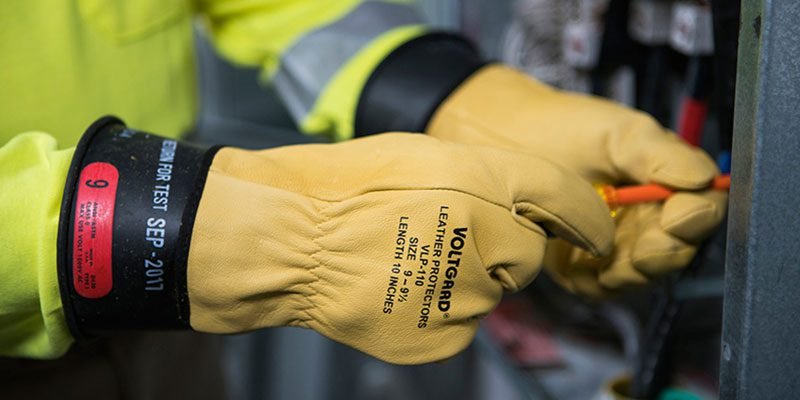
Every year, electrical incidents send thousands of workers to the hospital — and many of these accidents trace back to equipment that simply wasn’t up to the task. Rubber insulating gloves are often the last line of defense between a technician’s hands and a live electrical current, yet they’re also one of the most overlooked pieces of safety gear. A glove that looks perfectly fine on the outside can harbor a pinhole puncture invisible to the naked eye, turning a routine job into a life-threatening situation.
This is why proper glove inspection and testing isn’t just a box to check off before a shift. It’s a critical safeguard that protects workers from arc flashes, electric shock, and long-term injury. Companies that take this seriously don’t just reduce their liability — they build a culture where safety is woven into every task, not treated as an afterthought.
What Makes Rubber Insulating Gloves So Important?
Rubber insulating gloves are specifically designed to resist the flow of electrical current, protecting the hands and forearms of workers who handle live or potentially energized equipment. Unlike standard work gloves, these are rated by voltage class and must meet strict manufacturing and performance standards before they’re trusted on the job.
But here’s the catch: insulating properties degrade over time. Exposure to oils, ozone, sunlight, and general wear can compromise the rubber’s integrity without any visible signs. A glove that passed inspection six months ago may no longer offer the same protection today. That’s why ongoing testing, not a one-time certification, is what keeps workers genuinely safe.
How Often Should Insulating Gloves Be Tested?
Industry standards, including those set by OSHA and ASTM, require that rubber insulating gloves be electrically tested at regular intervals, typically every six months, and before each use, they should undergo a visual and physical inspection. Skipping these steps isn’t just a compliance risk; it’s a gamble with someone’s safety.
A few best practices worth building into any safety program include:
- Daily visual inspections: Workers should check gloves for cuts, cracks, swelling, or discoloration before every use.
- Air testing: Inflating the glove and checking for leaks can catch punctures that aren’t visible when the glove is relaxed.
- Periodic electrical testing: Certified testing facilities use specialized equipment to verify that gloves still meet their voltage rating.
- Proper storage: Keeping gloves away from direct sunlight, sharp objects, and extreme temperatures extends their usable life.
Even with careful handling, gloves don’t last forever. Building a consistent testing schedule removes the guesswork and ensures no one is relying on equipment that’s quietly failed.
The Real Cost of Skipping Glove Inspections
It’s tempting to view glove testing as a time-consuming formality, especially on busy job sites where deadlines pile up. But the cost of skipping this step can be severe. Electrical injuries often result in permanent damage, lengthy recovery times, and significant financial strain, not to mention the emotional toll on workers and their families.
Beyond the human cost, companies face real business consequences too. Regulatory fines, legal liability, and reputational damage can follow any organization that fails to provide adequate protective equipment. Insurance premiums can rise, and worse, trust between employers and employees can erode when safety isn’t prioritized.
Investing in rigorous testing protocols sends a clear message: worker safety isn’t negotiable. It’s a message that pays dividends in morale, retention, and operational continuity.
Building a Culture of Proactive Safety
Safety isn’t something that happens in a single training session or during an annual audit. It’s built day by day, through consistent habits and the right tools. Organizations that prioritize proactive safety measures tend to see fewer incidents, lower turnover, and stronger overall performance.
This starts with education. Workers need to understand not just how to inspect their gloves, but why it matters. When employees grasp the real risks involved in electrical work, they’re far more likely to take inspections seriously rather than rushing through them.
It also means investing in the right partnerships. Working with experienced safety providers ensures that testing is done to the correct standards, using calibrated equipment and trained technicians who understand the nuances of different glove classes and voltage ratings.
Partnering With Experts for Reliable Protection
Regular, professionally conducted Electrical Glove Testing gives workers the confidence that their protective equipment will perform exactly when it’s needed most. Rather than relying on guesswork or outdated inspection practices, companies can turn to dedicated testing programs that catch hidden defects before they become dangerous.
Arbill has spent decades helping organizations across industries strengthen their safety programs, offering not just products but genuine expertise. From glove testing to broader personal protective equipment solutions, the goal has always been the same: making sure every worker goes home safe at the end of the day. Partnering with a team that understands the stakes of electrical safety means fewer surprises, fewer injuries, and a stronger safety culture overall.
Protecting Your Team Starts With One Decision
Electrical hazards aren’t going away, but the risks they pose can be dramatically reduced with the right precautions in place. Testing insulating gloves on a consistent schedule isn’t an inconvenience — it’s one of the simplest, most effective ways to prevent catastrophic injuries on the job.
Organizations that treat glove testing as a cornerstone of their safety program, rather than an afterthought, consistently see the benefits: fewer incidents, more confident workers, and a reputation for doing things the right way. If your team hasn’t reviewed its glove testing protocols recently, now is the time to make that change. A small adjustment today could prevent a serious accident tomorrow — and that’s a trade-off worth making every time.

