

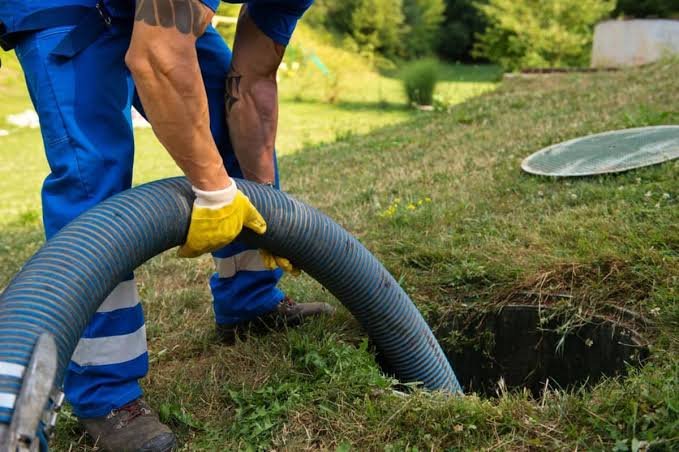
Nobody wakes up thinking about their septic tank, until the moment it backs up into the yard or, worse, the house. That’s usually when homeowners realize just how much work their septic system quietly does every single day, filtering wastewater, breaking down solids, and protecting the groundwater beneath their property. Like any hardworking system, it needs regular attention to keep functioning properly.
Septic pumping is one of the simplest ways to avoid a messy, expensive disaster. Yet it’s also one of the most overlooked parts of home maintenance. Many homeowners don’t think about their tank until something goes wrong, and by then, the fix often costs far more than routine upkeep would have. This post breaks down what septic pumping actually involves, why it matters, and how to know when it’s time to schedule service.
What Happens During Septic Pumping?
A septic tank holds wastewater long enough for solids to settle at the bottom and lighter materials, like oils and grease, to float to the top. Over time, these layers build up. If left unchecked, they reduce the tank’s capacity and can eventually clog the pipes leading to the drain field.
During a pumping service, a technician uses specialized equipment to remove the accumulated sludge and scum from the tank. This isn’t a job for a shop vac and a weekend of determination. It requires proper tools, safety precautions, and knowledge of how septic systems function. A thorough pumping clears out the buildup, inspects the tank for cracks or damage, and checks that the inlet and outlet pipes are clear.
How Often Should a Septic Tank Be Pumped?
Most residential septic tanks need pumping every three to five years, though this varies based on household size, tank capacity, and water usage habits. A family of five running multiple loads of laundry a week will fill their tank faster than a couple living alone.
Here’s a general guide:
- Small households (1-2 people): Every 4-5 years
- Average households (3-4 people): Every 3-4 years
- Larger households (5+ people): Every 2-3 years
Garbage disposals, frequent guests, and heavy laundry use can all shorten this timeline. When in doubt, a professional inspection can confirm exactly where a tank stands.
Signs a Septic Tank Needs Attention
Septic systems often give warning signs before a full failure happens. Catching these early can mean the difference between a routine pumping and an expensive repair.
Slow drains throughout the house. When multiple sinks, tubs, or toilets drain slowly at the same time, it often points to a septic issue rather than a single clogged pipe.
Unpleasant odors near the tank or drain field. A properly functioning septic system shouldn’t produce noticeable smells in the yard. Odors usually mean the tank is full or there’s a leak somewhere in the system.
Pooling water or soggy patches in the yard. Standing water above the drain field, especially when it hasn’t rained, is a strong indicator that the system is overwhelmed and needs service.
Gurgling sounds in the plumbing. Strange noises coming from drains can mean air is trapped in the pipes due to a blockage or a tank nearing capacity.
Lush, overly green grass over the drain field. While a healthy lawn is great, suspiciously vibrant patches of grass over the septic system can be a sign of nutrient-rich wastewater leaking too close to the surface.
Ignoring these signs doesn’t make them disappear. It usually means the problem gets worse, and the eventual repair bill grows along with it.
Why Regular Pumping Saves Money in the Long Run
It’s tempting to put off septic maintenance, especially when everything seems to be working fine. But septic systems don’t send a clear warning before they fail completely. By the time a backup happens, solids may have already made their way into the drain field, and drain field repairs or replacements can cost significantly more than routine pumping ever would.
Think of septic pumping as preventative care, similar to changing the oil in a car. Skipping it doesn’t save money. It just delays an inevitable, larger expense. Routine pumping extends the life of the entire system, keeps the drain field functioning properly, and helps homeowners avoid emergency service calls at the worst possible times.
What to Expect From a Professional Septic Service
A quality septic service does more than just pump out a tank. It should include a full inspection of the system’s components: the tank itself, the baffles, and the drain field. Technicians should check for cracks, leaks, root intrusion, and any signs of a failing system that might need addressing before it becomes a bigger issue.
Good communication matters too. Homeowners deserve clear explanations about what was found, what was done, and what to expect before the next scheduled service. Septic maintenance works best when it’s treated as an ongoing relationship rather than a one-time emergency fix.
Trusted, Reliable Septic Pumping From Underwood Plumbing and Septic Services LLC
Septic pumping that keeps costly backups and drain field failures far from your front door starts with choosing a team that treats every tank like it’s their own property on the line. Underwood Plumbing and Septic Services LLC has built a reputation for dependable, thorough septic service that homeowners can count on year after year. From routine maintenance to full system inspections, the team arrives prepared, works efficiently, and leaves customers with a clear understanding of their system’s condition.
What sets Underwood Plumbing and Septic Services LLC apart is a genuine commitment to doing the job right the first time. There’s no cutting corners, no rushed inspections, and no upselling services that aren’t needed. Just honest, skilled work from technicians who understand how much homeowners rely on their septic systems running smoothly.
Scheduling routine maintenance with a trusted local provider isn’t just about avoiding a bad day. It’s about protecting a home’s plumbing, its property value, and the peace of mind that comes with knowing everything underground is working exactly as it should.
Keep Your System Running Smoothly
A septic system works hard behind the scenes, and a little routine care goes a long way toward keeping it reliable for years to come. Watching for warning signs, sticking to a regular pumping schedule, and working with an experienced local team are the simplest ways to avoid costly surprises down the road.
If it’s been a few years since the last inspection, now is a good time to get ahead of any potential issues before they turn into bigger problems.

