

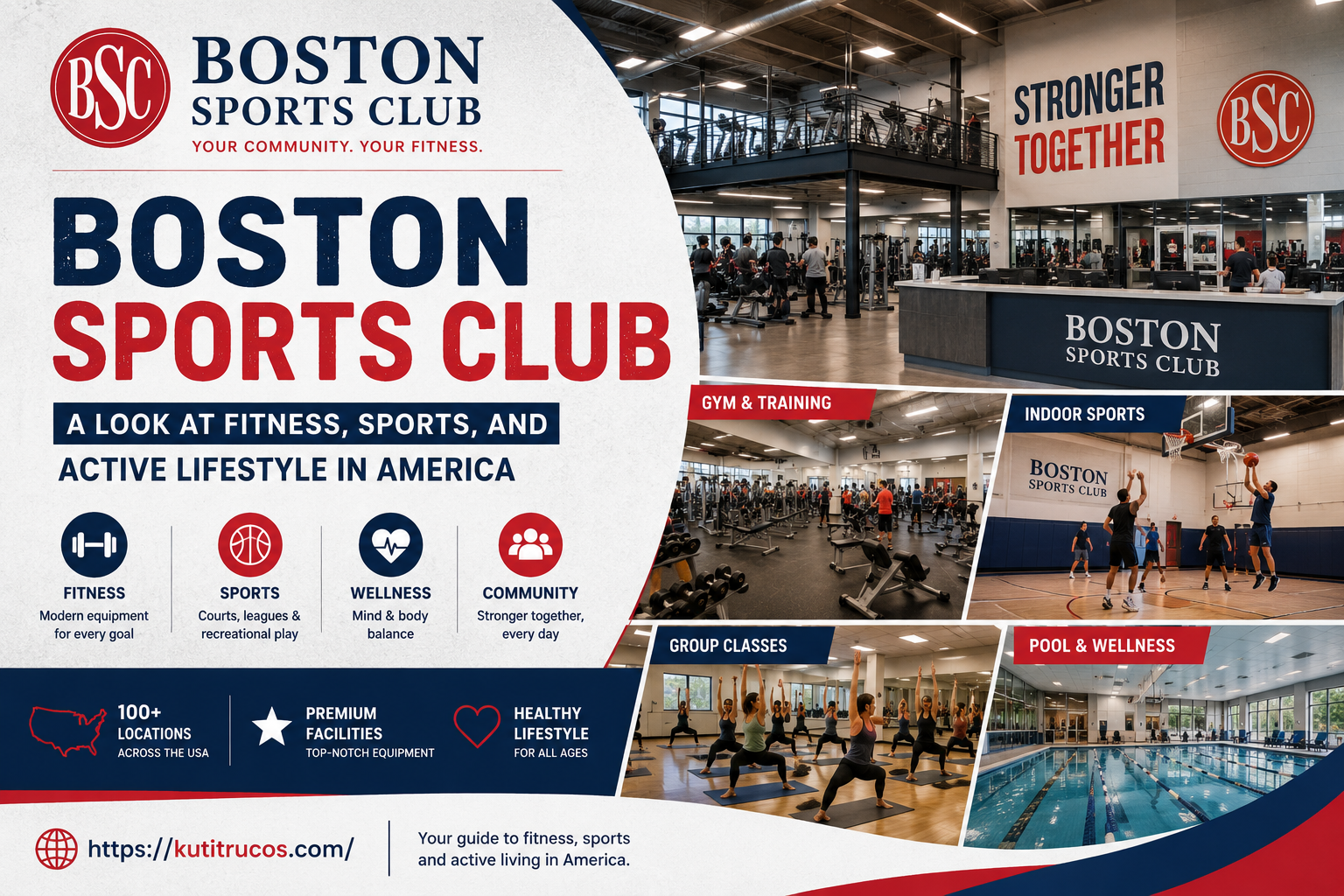
Sports and fitness have always played an important role in American culture. From professional competitions and college athletics to neighborhood gyms and recreational activities, people across the United States have countless ways to stay active. In a city as energetic and historically significant as Boston, sports are more than entertainment they are part of the local identity.
The idea of a Boston Sports Club reflects this broader culture of fitness, recreation, and community. Whether someone is interested in improving physical fitness, developing athletic skills, participating in group activities, or simply maintaining an active lifestyle, sports clubs can provide an environment where people can work toward their goals while connecting with others.
Boston’s Strong Connection With Sports
Boston has one of the most recognizable sports cultures in the United States. The city and surrounding New England region have produced generations of athletes, passionate fans, competitive teams, and historic sporting moments.
Sports are visible throughout everyday life in Boston. Professional teams attract large crowds, college sports create strong rivalries, and recreational leagues bring people together at local facilities. Running, basketball, tennis, swimming, cycling, soccer, and strength training are also popular activities among residents.
This environment creates a natural demand for fitness centers and sports clubs that support people at different levels of ability.
What Makes a Sports Club Valuable?
A good sports club can offer much more than access to exercise equipment. It can create a structured environment where members have opportunities to improve their physical condition, learn new activities, and develop consistent routines.
For beginners, a club can make fitness less intimidating. Instead of trying to design an exercise routine alone, members may have access to classes, trainers, courts, or organized activities.
For experienced athletes, sports facilities can provide space for specialized training. Having access to appropriate equipment and a community of other active people can make regular training more enjoyable and motivating.
Fitness as Part of Everyday Life
Modern American lifestyles can make it difficult to maintain consistent physical activity. Office jobs, commuting, school responsibilities, and digital entertainment can all contribute to sedentary routines.
Sports clubs provide a practical solution by giving people a dedicated place for movement. Even a simple routine involving strength exercises, cardio, stretching, or recreational sports can become easier to maintain when it is incorporated into a regular schedule.
The key is consistency rather than perfection. Someone does not need to train like a professional athlete to benefit from regular physical activity. Walking, swimming, playing tennis, attending a fitness class, or practicing basketball can all contribute to an active lifestyle.
Group Fitness and Community
One of the strongest advantages of a sports club is its social environment. Exercising with other people can make physical activity feel less like a chore and more like a shared experience.
Group classes can encourage members to stay accountable. When people recognize familiar faces at a weekly class or training session, they may be more motivated to continue attending.
Community is particularly important for recreational sports. Basketball games, tennis sessions, soccer matches, and other activities naturally encourage communication and teamwork. These interactions can turn exercise into a social activity while helping people remain physically active.
Sports for Different Generations
Fitness is not limited to one age group. Children can develop coordination and teamwork through sports, teenagers can build athletic skills, adults can use exercise to support an active lifestyle, and older adults can participate in activities suited to their abilities.
A well-designed sports club can therefore serve multiple generations. The activities may differ, but the underlying goals are similar: movement, enjoyment, confidence, and a sense of community.
Families can also benefit when physical activity becomes part of their lifestyle. Parents who regularly participate in sports can encourage younger family members to view exercise as a normal and enjoyable part of everyday life.
Popular Activities in the Boston Area
The Boston region offers an impressive range of sports and outdoor activities. Running is particularly visible because of the area’s strong road-racing tradition. Cycling and walking are also common ways for residents to stay active.
Indoor facilities provide additional opportunities during colder months. Basketball, swimming, strength training, yoga, indoor cycling, tennis, and other activities allow people to remain active regardless of the weather.
This variety is important because not everyone enjoys the same type of exercise. Some people prefer competitive sports, while others enjoy individual workouts. Having multiple options makes it easier for individuals to find an activity they genuinely enjoy.
The Role of Professional Guidance
For people who are new to fitness, professional guidance can make the experience more productive. Trainers and qualified instructors can help members understand exercise techniques, develop routines, and use equipment appropriately.
Guidance can also be useful for experienced athletes who want to improve specific aspects of their performance. Strength, mobility, endurance, coordination, and sport-specific skills can all require different training approaches.
However, fitness should remain personal. A routine that works well for one individual may not be appropriate for another. Good coaching recognizes differences in experience, goals, schedule, and physical ability.
Indoor Sports in a Changing Climate
Boston’s seasonal weather makes indoor recreation especially valuable. Winters can bring freezing temperatures, snow, and icy conditions, making outdoor exercise less convenient.
Indoor sports clubs provide an alternative by allowing people to continue training throughout the year. Members can maintain their routines without depending entirely on outdoor conditions.
This consistency can be particularly important for people who are working toward long-term fitness goals. Missing outdoor activities during difficult weather does not necessarily mean abandoning exercise altogether when indoor options are available.
Creating a Sustainable Active Lifestyle
The most effective fitness routine is usually one that a person can maintain over time. Extreme programs may produce short-term results, but sustainable habits are more valuable for long term well being.
A sports club can support this process by giving members convenient access to activities they enjoy. Someone who loves tennis may naturally want to return to the court, while another person may prefer group cycling or strength training.
Enjoyment matters because it increases the likelihood that physical activity will become a lasting habit rather than a temporary challenge.
Sports and Mental Well-Being
Physical activity is also closely associated with a healthier lifestyle beyond physical performance. Exercise can provide a break from work and daily responsibilities, while recreational sports can create opportunities for social interaction.
Team sports are especially valuable because they encourage cooperation, communication, and shared goals. Individual activities can offer a different experience, allowing people to focus quietly on their own progress.
For many Americans, fitness has therefore become more than a way to improve physical appearance. It can also be a regular opportunity to recharge, socialize, and create structure in a busy lifestyle.
Looking Ahead
The future of sports clubs in America will likely continue to combine traditional fitness with changing consumer expectations. People increasingly want flexible schedules, diverse activities, modern equipment, knowledgeable instructors, and welcoming communities.
Technology is also becoming part of the fitness experience. Wearable devices, workout applications, digital training programs, and performance tracking can help individuals monitor their progress. Nevertheless, the human element of a physical sports community remains valuable.
A sports club can provide something that an app cannot completely reproduce: a shared physical environment where people train, compete, learn, and connect.
Conclusion
Boston’s long standing sports culture makes the city an ideal environment for fitness clubs and recreational communities. A Boston Sports Club can represent more than a place to exercise; it can be a space where individuals discover new activities, develop healthy routines, build confidence, and connect with fellow sports enthusiasts.
From basketball courts and tennis sessions to strength training, swimming, group fitness, and outdoor activities, the American sports lifestyle offers something for almost everyone. The most important step is finding an activity that fits naturally into everyday life.
For Boston residents, staying active can become part of the city’s broader sporting spirit. Whether the goal is competitive performance or simply a healthier routine, sports provide an opportunity to move, connect, and enjoy an active American lifestyle.

