

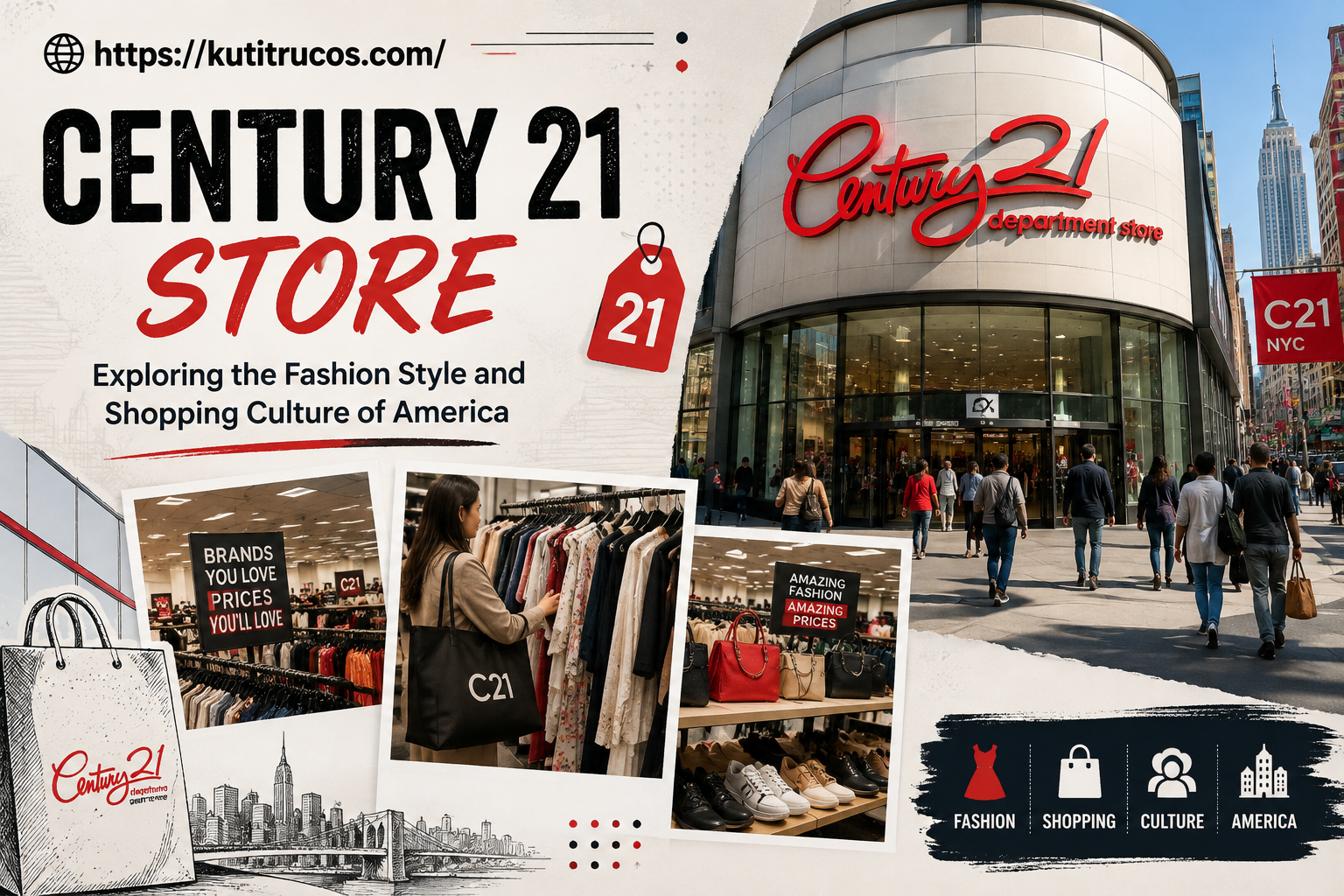
Fashion in the United States has always been closely connected with individuality, comfort, and changing cultural trends. From classic denim and casual T-shirts to statement accessories and seasonal collections, American shoppers have a wide range of choices when building their personal style. Within this diverse fashion environment, Century 21 Store has become a recognizable name for shoppers interested in designer fashion, contemporary clothing, footwear, accessories, and value-oriented shopping.
The appeal of a fashion retailer is not simply about selling clothes. Modern American consumers increasingly look for a combination of style, quality, variety, and affordability. A store that brings these elements together can attract shoppers who want to experiment with fashion without completely changing their budget. Century 21’s identity has historically been associated with this idea, making it an interesting part of America’s off-price and department-store fashion culture.
The Evolution of American Fashion Shopping
American fashion has changed dramatically over the decades. Shopping once revolved around traditional department stores and local boutiques, while today’s consumers can discover fashion through physical stores, online retailers, social media, influencers, and international brands.
Despite these changes, one thing has remained consistent: shoppers want clothing that reflects their personality. Some consumers prefer timeless pieces, while others enjoy following seasonal trends. Others look for designer labels at more accessible prices.
This is where the off-price fashion model becomes particularly attractive. Instead of focusing exclusively on new collections at full retail prices, off-price retailers can give shoppers opportunities to discover recognizable brands and fashion pieces at reduced prices. The experience can feel more like a treasure hunt, because available products, sizes, colors, and styles may change frequently.
Why Designer Fashion Continues to Attract American Shoppers
Designer fashion has a powerful influence on the American clothing market. Luxury and premium brands often introduce distinctive designs, better-known craftsmanship, and recognizable visual identities. However, the original retail price of designer products can make them inaccessible to many consumers.
Discount fashion stores provide an alternative approach. Shoppers can search for premium clothing and accessories while keeping an eye on their spending. This combination of brand recognition and value is one of the reasons American consumers continue to explore off-price retailers.
For fashion-conscious shoppers, finding a designer jacket, handbag, pair of shoes, or statement accessory at a lower price can be more exciting than simply purchasing the same product at a conventional department store.
Clothing Choices for Everyday American Style
American fashion is known for its ability to combine practicality with personal expression. Everyday wardrobes commonly include versatile items such as jeans, sneakers, sweaters, casual shirts, jackets, and comfortable dresses.
A modern shopper may combine an expensive-looking handbag with affordable basics or wear designer sneakers with a simple pair of jeans. This mixed approach has become increasingly popular because it allows people to create polished outfits without relying entirely on luxury pieces.
For this reason, a retailer with a broad fashion selection can appeal to different types of customers. Someone shopping for workwear may be searching for a tailored blazer, while another shopper may want a casual weekend outfit. A third customer could be interested in shoes or accessories that refresh an existing wardrobe.
Seasonal Fashion Trends in the USA
American fashion changes with the seasons, and shopping habits often change along with the weather. Spring encourages lighter layers, colorful clothing, sneakers, and transitional jackets. Summer brings breathable fabrics, shorts, dresses, sandals, and relaxed silhouettes.
During fall, shoppers begin looking for sweaters, coats, boots, denim, and layering pieces. Winter naturally shifts attention toward warm outerwear, heavier fabrics, scarves, boots, and cold-weather accessories.
The ability to discover different categories throughout the year makes fashion shopping more dynamic. Rather than following one permanent style, American consumers can adapt their wardrobes according to weather, lifestyle, workplace expectations, and current trends.
The Importance of Accessories
Clothing is only one part of personal style. Accessories can completely change the appearance of an outfit. Handbags, watches, sunglasses, belts, jewelry, scarves, wallets, and footwear can add personality to otherwise simple clothing.
For shoppers who prefer subtle fashion, accessories can be an easy way to experiment with trends. Someone wearing a basic neutral outfit, for example, can introduce a bold handbag or distinctive pair of shoes to create a more noticeable look.
This versatility makes accessories particularly important in American fashion culture. They can also provide an opportunity for shoppers to explore premium labels without purchasing an entire designer wardrobe.
Fashion and the Rise of Smart Shopping
Today’s consumers are becoming increasingly strategic about how they spend money on clothing. Instead of automatically purchasing the newest item at full price, many shoppers compare prices, read reviews, search for promotions, and consider whether a product will remain useful beyond one season.
This approach has contributed to the popularity of discount and off-price shopping. The goal is not necessarily to buy the cheapest item available. Instead, many consumers want the best balance between quality, design, brand reputation, and price.
Smart shopping can also encourage people to build more versatile wardrobes. Rather than purchasing several similar trend-driven pieces, a shopper might choose one high-quality jacket that works with jeans, trousers, skirts, or dresses.
Building a Personal Fashion Identity
One of the most interesting aspects of American fashion is the freedom to combine different influences. Streetwear, minimalism, vintage clothing, athletic fashion, luxury styling, and classic American basics can all exist within the same wardrobe.
Personal style does not have to follow a single category. A person might wear classic clothing during the workweek and switch to relaxed streetwear on the weekend. Another shopper may prefer neutral colors but use accessories to create contrast.
Stores offering a wide variety of fashion categories can support this experimentation. Instead of telling shoppers exactly what they should wear, a broad selection gives them the opportunity to create combinations that feel personal.
The Future of Fashion Retail
Fashion retail continues to evolve as technology changes the way people discover and purchase products. Online shopping has made it easier for consumers to compare brands and prices, while social media has accelerated the spread of fashion trends.
At the same time, physical stores remain valuable because shoppers can see fabrics, examine details, compare sizes, and experience products in person. The future of fashion retail is therefore likely to involve a combination of digital convenience and physical shopping experiences.
For retailers such as Century 21, maintaining a strong connection with consumers means understanding these changing expectations. Today’s shopper wants variety, convenience, value, and an enjoyable discovery process.
Final Thoughts
Century 21 Store represents an interesting part of the American fashion shopping landscape, particularly for consumers attracted to designer styles, variety, and value. The broader appeal of this type of retailer comes from giving shoppers the opportunity to explore different brands and fashion categories while making thoughtful purchasing decisions.
American fashion itself is constantly changing, but the desire to look good, feel comfortable, express individuality, and find value remains strong. Whether someone prefers classic denim, contemporary streetwear, elegant accessories, or designer-inspired outfits, the modern fashion market provides countless ways to develop a unique personal style.
Ultimately, successful fashion shopping is less about following every trend and more about discovering pieces that fit a person’s lifestyle and personality. That balance between individuality and value is what continues to make America’s fashion culture so diverse and why retailers offering variety and discovery remain relevant to shoppers across the country.

