

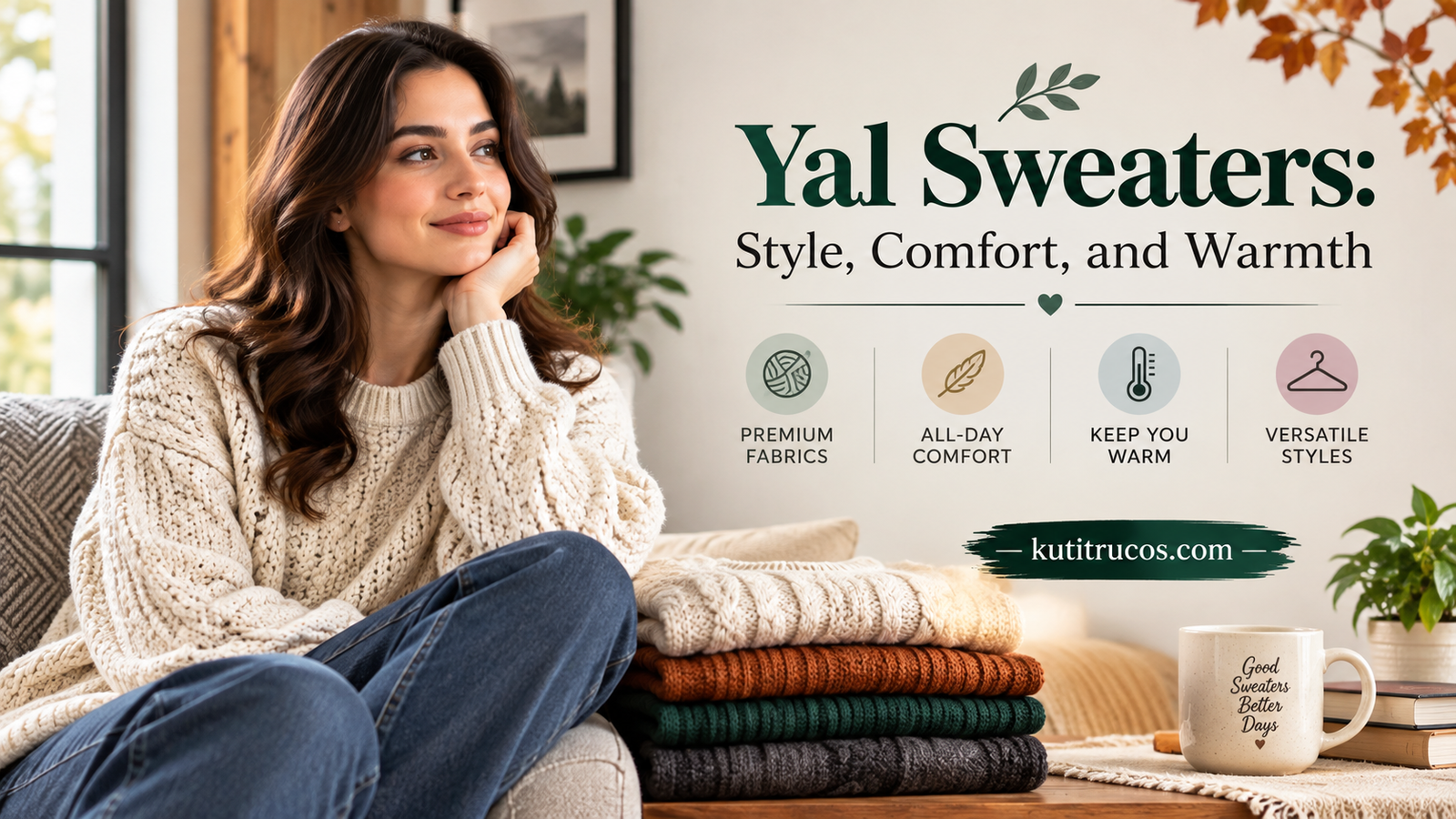
When colder weather arrives, sweaters become one of the easiest ways to stay comfortable while maintaining a stylish appearance. Among the many options available, yal sweaters can be an interesting choice for people looking for versatile knitwear that works across different outfits and occasions.
A good sweater is not simply about keeping warm. The right design can add texture, shape, and personality to an everyday wardrobe. Whether you prefer a relaxed weekend outfit, a polished office look, or a layered winter ensemble, a well-chosen sweater can become one of the most useful pieces in your closet.
Yal sweaters can be styled in numerous ways depending on their design, color, fabric, and fit. From classic trousers and denim to skirts and layered outerwear, they can adapt to different personal styles without requiring an overly complicated approach.
What Are Yal Sweaters?
The term yal sweaters can refer to sweaters associated with the Yal name or style, depending on the context in which shoppers encounter the term. Like other types of knitwear, their appeal generally comes from the combination of comfort, warmth, and easy styling.
Sweaters are available in many constructions, including lightweight knits, chunky textures, ribbed designs, cable patterns, and smooth finishes. This variety makes it possible to choose an option based on weather conditions and personal preferences.
When selecting any sweater, it is useful to look beyond appearance. Fabric quality, stitching, fit, care requirements, and versatility can all influence whether a sweater becomes a regular part of your wardrobe.
Why Sweaters Remain a Wardrobe Essential
Few clothing pieces are as adaptable as a sweater. During transitional seasons, a lightweight sweater can replace a heavier jacket. In winter, it can become an important layer underneath a coat.
Another advantage is styling flexibility. A sweater can look casual with jeans and sneakers or more refined when combined with tailored trousers, boots, and accessories.
The simplicity of knitwear also makes it easy to experiment with color. Neutral sweaters can serve as reliable wardrobe basics, while brighter shades can add energy to an otherwise understated outfit.
This versatility is one reason sweaters continue to appear in seasonal collections year after year.
Choosing the Right Sweater Fabric
Fabric plays a major role in comfort and warmth. Different materials have different characteristics, so the best option depends on the weather and how you intend to wear the sweater.
Wool
Wool is widely appreciated for its warmth and natural insulating properties.
However, some people find certain wool fibers uncomfortable against the skin. If you are sensitive to texture, consider wearing a lightweight layer underneath or choosing a softer wool blend.
Cotton
Cotton sweaters can be comfortable and breathable. They are often suitable for mild weather or indoor environments where heavy knitwear may feel too warm.
Cotton also tends to be easy to incorporate into casual outfits.
Cashmere
Cashmere is known for its exceptionally soft feel and luxurious appearance. A cashmere sweater can create an elevated look while remaining relatively lightweight.
Because delicate fibers require careful handling, always follow the garment’s care instructions.
Blended Fabrics
Blended materials combine different fibers to achieve particular characteristics. A blend may offer durability, softness, warmth, stretch, or easier maintenance.
The best choice is not necessarily the most expensive fabric. Instead, consider what feels comfortable and works with your lifestyle.
Finding the Right Fit
Fit can significantly influence how a sweater looks and feels.
A relaxed sweater provides an easygoing appearance and can be ideal for casual outfits. A more fitted design can create a streamlined silhouette and work well underneath jackets or coats.
Oversized sweaters have become popular because they provide a comfortable, layered appearance. If you choose an oversized design, balancing it with more structured pieces can create a polished outfit.
For example, a loose sweater can be paired with straight-leg trousers, a structured skirt, or fitted jeans. The objective is not to follow a strict fashion rule but to create proportions that feel comfortable and intentional.
Yal Sweaters for Everyday Outfits
One of the easiest ways to style a sweater is with denim.
A neutral sweater paired with classic jeans creates a simple outfit suitable for errands, casual gatherings, coffee outings, or relaxed weekends. Sneakers can maintain the casual feel, while ankle boots can make the same outfit look slightly more polished.
For a more refined everyday appearance, replace jeans with tailored trousers. Add a simple belt, structured handbag, or understated jewelry to create additional definition.
The beauty of this approach is that you do not need many pieces to create a complete outfit.
Styling Sweaters for Work
Depending on the workplace dress code, sweaters can become useful alternatives to shirts and blouses during colder months.
A fine-knit sweater can be worn with tailored trousers or a midi skirt. Neutral shades such as navy, gray, cream, camel, and black are especially easy to coordinate.
Layering also provides flexibility. A sweater can be worn underneath a blazer for a professional appearance without creating excessive bulk.
For workplaces with a relaxed dress code, a textured sweater and clean-cut trousers can offer a comfortable middle ground between casual and formal dressing.
Creating a Layered Winter Outfit
Layering is one of the most practical ways to wear sweaters during cold weather.
Start with a comfortable base layer. Add the sweater and finish with a coat or jacket. Accessories such as scarves, gloves, and hats can provide additional warmth.
The key to successful layering is avoiding excessive bulk. If the sweater is thick, choose an outer layer with enough room to accommodate it comfortably.
Different textures can also make a winter outfit more visually interesting. For example, a smooth coat paired with a textured knit creates subtle contrast.
Choosing the Right Color
Color is an important part of sweater styling.
Neutral colors are usually the easiest to wear repeatedly. Black, gray, cream, beige, brown, navy, and similar shades can coordinate with a wide range of trousers, jeans, skirts, and outerwear.
If your wardrobe already contains many neutral pieces, a sweater in a richer shade can provide contrast.
Deep green, burgundy, rust, mustard, blue, and other seasonal colors can bring additional character to winter outfits.
You do not need to follow seasonal color trends exactly. Choosing shades that you personally enjoy can make the sweater more useful and more likely to become a wardrobe favorite.
Sweaters and Different Personal Styles
There is no single way to wear a sweater. Personal style can range from minimalist to colorful, classic to contemporary, or relaxed to highly polished.
Someone who prefers minimalist clothing may choose a simple neutral sweater with clean-cut trousers. Someone who enjoys expressive fashion might select bold colors, unusual patterns, or statement accessories.
Sweaters also work well with different levels of layering. A simple knit can be the main focus of an outfit, or it can serve as a base beneath a coat, blazer, or vest.
The most useful approach is to choose pieces that fit your preferences rather than trying to follow every trend.
How to Style Oversized Sweaters
Oversized sweaters can create a relaxed and contemporary appearance.
One approach is to combine an oversized sweater with straight or slim-cut trousers. This creates contrast between the relaxed upper layer and a more defined lower silhouette.
Another option is to wear the sweater with a skirt. A tucked or partially tucked sweater can create some structure while maintaining the comfortable feel of the knit.
Footwear can also change the overall impression. Sneakers create a casual appearance, while boots can make the outfit feel more suitable for colder weather.
Accessorizing a Sweater
Accessories can transform a basic sweater outfit.
A scarf is a natural choice during winter and can introduce a new color or texture. Simple jewelry can add subtle detail to a plain sweater.
A belt can also help define the waist when wearing a loose knit. Meanwhile, a structured bag can provide contrast against a relaxed sweater.
When the sweater already contains bold patterns or decorative details, fewer accessories may create a cleaner result.
The goal is balance rather than adding as many elements as possible.
Sweaters for Transitional Weather
Sweaters are not limited to the coldest months.
During early autumn or spring, lightweight knitwear can provide enough warmth without feeling too heavy. It can be worn over a T-shirt or shirt and removed when temperatures rise.
This makes lightweight sweaters particularly useful for unpredictable weather.
Neutral-colored knitwear can also transition between seasons easily. Pairing a light sweater with jeans and sneakers can work in spring, while the same piece can be layered under a coat in autumn.
Caring for Your Sweaters
Proper care can significantly extend the life of knitwear.
Always check the care label before washing a sweater. Some materials can be machine washed on a delicate cycle, while others may require hand washing or professional cleaning.
Avoid using excessive heat unless the care instructions specifically allow it. High temperatures can cause some fibers to shrink or lose their shape.
After washing, reshape the sweater gently and follow the recommended drying instructions. Many delicate knits are better dried flat rather than hung while wet.
Storage also matters. Folding sweaters can help prevent stretching, especially for heavier garments.
Avoiding Common Sweater Styling Mistakes
A sweater outfit does not need to be complicated, but a few simple considerations can improve the result.
First, pay attention to proportions. Pairing multiple oversized pieces can sometimes make an outfit appear less structured. Adding a more defined piece can create balance.
Second, consider the weather. Wearing a very heavy sweater in mild temperatures may be uncomfortable, while a thin knit may not provide enough warmth during freezing conditions.
Finally, choose the right size. A relaxed sweater should still allow comfortable movement, while a fitted design should not feel restrictive.
Comfort is an important part of good style.
Building a Versatile Sweater Collection
You do not need a large collection of sweaters to create many outfits.
A practical wardrobe can begin with a few versatile pieces. A neutral lightweight sweater can work across multiple seasons, while a warmer knit can handle colder conditions.
Adding one or two sweaters in colors you genuinely enjoy can provide variety.
You can also vary texture rather than buying many different colors. A ribbed knit, cable-knit design, smooth sweater, or textured piece can make familiar outfits feel different.
Think about how each sweater works with clothing you already own before adding another one to your wardrobe.
Yal Sweaters for Different Occasions
The versatility of sweaters means they can work for more than casual wear.
For a relaxed outing, combine a sweater with jeans and comfortable shoes.
For a smart-casual setting, try tailored trousers, a fine-knit sweater, and polished footwear.
For an evening occasion, a refined knit can be paired with a skirt or tailored pants and elevated accessories.
For outdoor winter activities, prioritize warmth, layering, and practical fabrics.
The same basic sweater can therefore serve several purposes depending on the pieces worn with it.
Final Thoughts
Yal sweaters can be a practical and stylish addition to a modern wardrobe. Their appeal comes from the flexibility of knitwear: sweaters can provide warmth, work with multiple layers, and adapt to casual or polished outfits.
When choosing a sweater, consider more than its appearance. Fabric, fit, color, construction, comfort, and care requirements all contribute to long-term value.
A versatile neutral sweater can become an everyday essential, while a colorful or textured design can bring personality to seasonal outfits. With thoughtful layering and simple accessories, sweaters can remain useful throughout much of the year.
Ultimately, the best sweater is one that fits comfortably, suits your personal style, and works naturally with the clothes you already enjoy wearing. Whether you prefer classic basics or contemporary oversized designs, the right knitwear can make cold-weather dressing both comfortable and effortless.

