

As temperatures start to drop, the last thing any homeowner wants is a heating system that gives out right when they need it most. A furnace that’s struggling to keep up isn’t just an inconvenience – it can also signal bigger problems brewing beneath the surface. Knowing what to look for can save you from a freezing house and a frantic late-night repair call.
At Schwantes Heating and Air Conditioning, Inc., we’ve helped countless families across the region stay warm and comfortable through even the harshest winters. Our technicians have seen it all, from furnaces on their last legs to systems that simply weren’t built for today’s homes. In this post, we’ll walk through the telltale signs that your furnace may need replacing, what factors affect the cost and timeline of a new installation, and why trusting the right team makes all the difference.
How old is too old for a furnace?
Most furnaces are designed to last between 15 and 20 years with proper maintenance. If your system is approaching or has surpassed that age range, it’s worth having a professional assess its condition — even if it still seems to be running fine. Older furnaces tend to lose efficiency over time, meaning they work harder (and cost more) to produce the same amount of heat.
Age alone isn’t the only factor, though. A furnace that’s been poorly maintained for ten years can fail faster than one that’s been serviced regularly for twenty. That’s why it helps to track your system’s maintenance history alongside its age when deciding whether repair or replacement makes more sense.
What are the warning signs of a failing furnace?
Beyond age, several red flags suggest your furnace may be nearing the end of its useful life:
- Uneven heating: Some rooms feel warm while others stay chilly, suggesting your furnace can no longer distribute heat evenly throughout your home.
- Rising energy bills: A noticeable spike in heating costs, without a change in usage, often points to declining efficiency.
- Frequent repairs: If you’re calling for service more than once a year, the cumulative repair costs may soon outweigh the price of a new system.
- Strange noises: Banging, rattling, or screeching sounds can indicate mechanical wear that’s only going to get worse.
- Yellow burner flame: A healthy furnace flame should burn blue. A yellow or flickering flame could mean incomplete combustion, which may lead to dangerous carbon monoxide buildup.
- Excess dust or dry air: Aging systems often struggle to filter and humidify air properly, leaving your home dustier and drier than it should be.
If you’re noticing two or more of these signs, it’s a strong indicator that your furnace is on borrowed time.
How much does it cost to replace a furnace?
Furnace replacement costs vary depending on several factors, including the size of your home, the type of furnace you choose, and the complexity of the installation. Homes with ductwork already in place typically see lower installation costs than those requiring new duct systems. Similarly, high-efficiency furnaces often come with a higher upfront price tag but can lead to meaningful savings on monthly energy bills over time.
It’s also worth considering the long-term value of a quality installation. A furnace that’s installed correctly — with proper sizing, sealing, and airflow calibration — will run more efficiently and last longer than one that’s installed hastily or incorrectly. Choosing an experienced provider pays off well beyond the initial purchase price.
How long does furnace installation take?
For most homes, a standard furnace replacement can be completed in a single day, assuming no major ductwork changes are needed. If your home requires additional modifications, such as upgrading your electrical panel or installing new ventilation, the process may take a bit longer. A reputable technician will walk you through the expected timeline during your initial consultation, so there are no surprises on installation day.
Should you repair or replace your furnace?
This is one of the most common questions homeowners face when their heating system starts acting up. As a general guideline, if your furnace is under ten years old and the repair cost is less than half the price of a new unit, repair is often the smarter choice. However, if your system is older, requires frequent repairs, or no longer meets your home’s heating needs efficiently, replacement is usually the better long-term investment.
Choose repair if your furnace is relatively young, the issue is minor, and your energy bills remain stable. Choose replacement if your system is aging, inefficient, or costing you more in repairs and utility bills than a new unit would cost over time.
Why timing matters when your furnace shows trouble
Catching furnace problems early can make a significant difference in both cost and convenience. Waiting until your system fails often means scheduling an emergency appointment, paying a premium for rushed service, and potentially enduring a cold home for days while parts are sourced. Addressing warning signs proactively gives you time to research your options, compare quotes, and choose a solution that fits your budget and schedule.
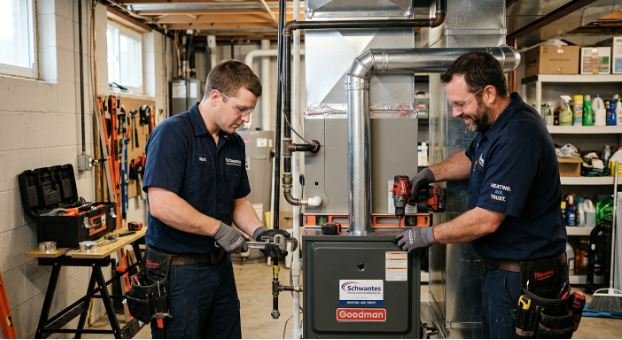
Reliable and affordable Furnace Installation that keeps your family warm all winter long is exactly what Schwantes Heating and Air Conditioning, Inc. delivers to homeowners who want peace of mind before the cold weather sets in. Our team takes the time to evaluate your home’s unique heating needs, recommend the right system size and efficiency rating, and complete the installation with precision and care. We believe a new furnace should be a long-term investment in comfort, not a source of stress.
Keep your home warm with confidence
A failing furnace doesn’t have to catch you off guard. By paying attention to the signs — rising bills, inconsistent heating, strange noises, or a system nearing 15 to 20 years old — you can make an informed decision before winter puts your heating system to the test.
If you’ve noticed any of these warning signs in your own home, don’t wait until the first cold snap to take action. Schwantes Heating and Air Conditioning, Inc. is ready to help you evaluate your current system, answer your questions, and recommend the best path forward for your home and budget. Reach out today to schedule a consultation and head into winter with a furnace you can count on.
Frequently Asked Questions
How often should a furnace be serviced?
Most manufacturers recommend annual maintenance to keep your furnace running efficiently and to catch small issues before they become costly repairs.
Can a new furnace lower my energy bills?
Yes. Modern, high-efficiency furnaces often use significantly less fuel than older models, which can lead to noticeable savings on monthly heating costs.
What size furnace do I need for my home?
Furnace size depends on factors like square footage, insulation quality, and local climate. A professional load calculation ensures you get a system that’s neither undersized nor oversized for your space.
Is it safe to keep using an old furnace?
An aging furnace can pose safety risks, including carbon monoxide leaks from cracked heat exchangers. Regular inspections help identify these risks before they become dangerous.

