

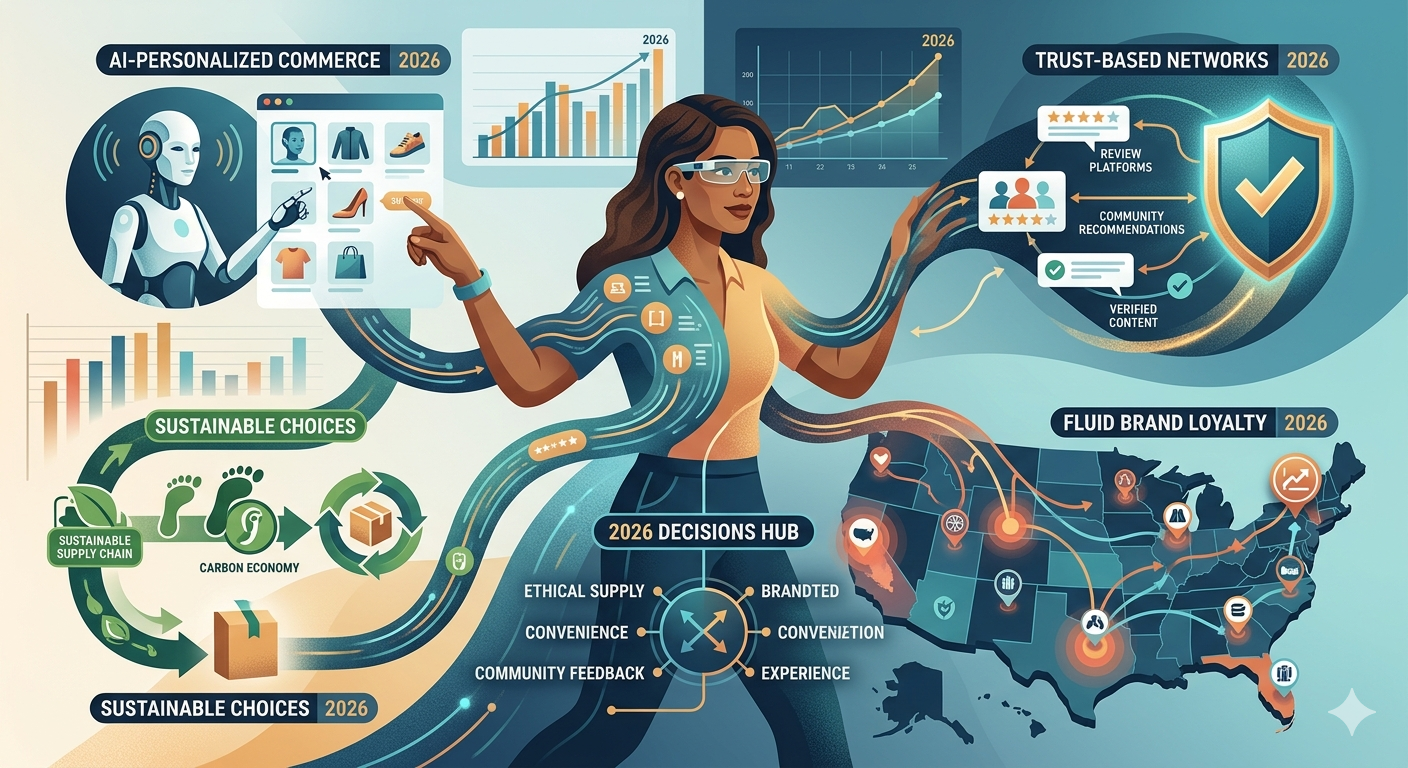
The United States is one of the largest and most influential consumer markets in the world. With a diverse population, strong purchasing power, and rapidly evolving digital behavior, US consumers play a major role in shaping global business trends.
For businesses, marketers, and website owners, understanding how American consumers think, shop, and make decisions is essential for growth and long-term success.
This guide breaks down who US consumers are, how they behave, what influences their decisions, and the latest trends shaping their buying habits.
Who Are US Consumers?
US consumers represent individuals living in the United States who purchase goods and services across various industries, including retail, automotive, technology, healthcare, finance, and entertainment.
What makes this group unique is its diversity. American consumers vary widely in:
- Age groups (Gen Z, Millennials, Gen X, Baby Boomers)
- Income levels
- Cultural backgrounds
- Geographic regions
- Digital habits
Because of this diversity, businesses cannot rely on a one-size-fits-all marketing approach.
Key Characteristics of US Consumers
Understanding core traits helps businesses tailor their strategies more effectively.
1. Highly Digital-Driven
Most consumers in the United States depend heavily on digital platforms for research and shopping. Before making a purchase, they typically:
- Read online reviews
- Compare prices
- Watch product videos
- Check social media feedback
Search engines and e-commerce platforms play a major role in decision-making.
2. Value-Conscious but Quality-Focused
While price matters, US consumers often prioritize value over the lowest cost. They are willing to pay more if they believe a product offers:
- Better quality
- Longer durability
- Strong brand reputation
- Better customer service
3. Strong Influence of Reviews and Ratings
Customer feedback has a powerful impact on buying decisions. Many consumers trust online reviews just as much as personal recommendations.
A product with poor ratings often struggles, even if it is well-marketed.
4. Preference for Convenience
Modern American consumers prefer fast and easy shopping experiences. This includes:
- One-click purchasing
- Fast shipping options
- Easy returns
- Mobile-friendly websites
Convenience often determines whether a customer completes a purchase.
Factors That Influence US Consumer Behavior
Several psychological and practical factors shape how Americans make buying decisions.
Brand Trust
Consumers are more likely to buy from brands they recognize or trust. Established reputation plays a major role in reducing purchase hesitation.
Social Proof
People tend to follow what others are doing. This includes:
- Trending products
- Viral social media items
- Influencer recommendations
Social validation often accelerates buying decisions.
Advertising and Digital Marketing
Targeted ads on platforms like Google, YouTube, Instagram, and TikTok heavily influence consumer awareness and interest.
However, consumers are becoming more selective and less tolerant of irrelevant advertising.
Economic Conditions
Inflation, job stability, and interest rates can significantly affect spending habits. During uncertain economic periods, consumers often:
- Delay large purchases
- Focus on essentials
- Look for discounts and deals
Major Trends Among US Consumers in 2026
Consumer behavior continues to evolve rapidly due to technology and lifestyle changes.
1. Growth of Online Shopping
E-commerce continues to dominate retail. More consumers prefer shopping online due to:
- Wider product selection
- Competitive pricing
- Home delivery convenience
Even traditional brick-and-mortar retailers are investing heavily in online platforms.
2. Mobile-First Behavior
A large portion of consumers now shop directly from smartphones. Mobile optimization is no longer optional for businesses anymore.
Features that matter include:
- Fast loading speed
- Simple navigation
- Secure payment options
3. Sustainability Awareness
More US consumers are becoming environmentally conscious. They prefer brands that demonstrate:
- Eco-friendly packaging
- Ethical sourcing
- Sustainable production practices
4. Subscription Economy Growth
Subscription-based services are increasingly popular. Examples include:
- Streaming platforms
- Software services
- Meal kits
- Auto and lifestyle subscriptions
Consumers value convenience and predictable pricing.
5. Personalization Expectation
Modern consumers expect personalized experiences. Businesses that tailor recommendations based on behavior and preferences often see higher engagement and conversion rates.
Challenges Facing Businesses Targeting US Consumers
While the market is large, competition is also intense.
High Competition
Almost every industry in the US market is saturated, making it difficult for new businesses to stand out.
Short Attention Span
Consumers are exposed to thousands of ads daily, reducing attention span and engagement time.
Trust Barriers
New brands often struggle to gain trust without strong reviews, testimonials, or social proof.
Rising Customer Expectations
Consumers expect:
- Fast shipping
- Instant support
- Easy returns
- High-quality service
Failing to meet expectations can lead to negative reviews.
How Businesses Can Attract US Consumers
To succeed in this market, businesses must focus on strategy and customer experience.
1. Build Strong Online Presence
A professional website, SEO optimization, and active social media presence are essential.
2. Use Customer Reviews Strategically
Encouraging satisfied customers to leave reviews builds trust and improves conversions.
3. Focus on Mobile Optimization
Since most users browse on mobile, websites must be responsive and fast.
4. Offer Competitive Value
This does not always mean low prices – it means better value through quality, service, and reliability.
5. Invest in Content Marketing
Informative blogs, guides, and videos help build authority and improve search engine rankings.
The Future of US Consumers
The future of US consumer behavior will be shaped by:
- Artificial intelligence and automation
- Faster digital payments
- Hyper-personalized shopping experiences
- Increased focus on privacy and data security
Businesses that adapt quickly to these changes will have a strong competitive advantage.
Final Thoughts
US consumers represent a powerful and evolving market. Their behavior is shaped by technology, trust, convenience, and value perception.
For businesses, understanding these patterns is essential for long-term success. Companies that invest in customer experience, digital presence, and trust-building strategies are more likely to thrive in this competitive landscape.
Whether you are a marketer, blogger, or business owner, aligning your strategy with US consumer behavior can significantly improve visibility, engagement, and sales.

