

Introduction
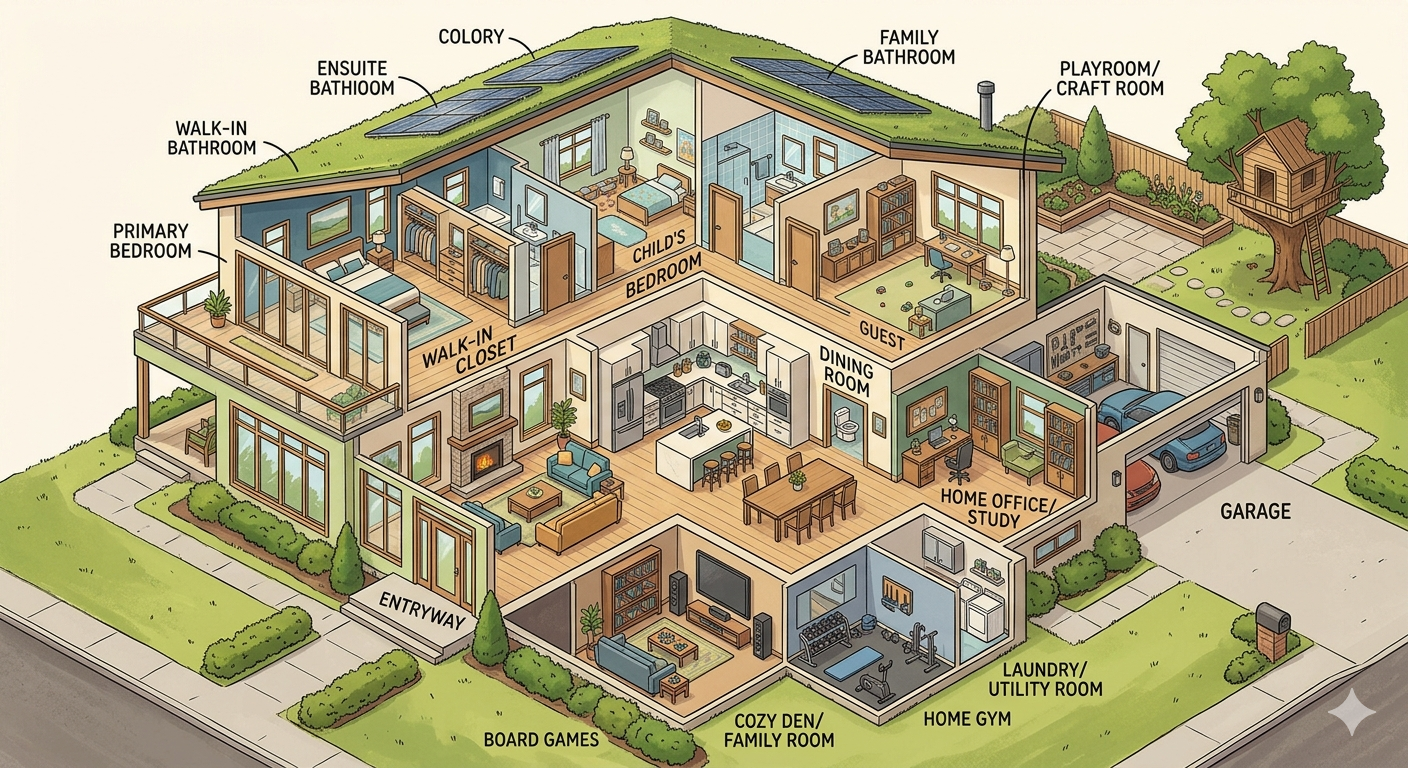
A house is much more than walls and a roof-it is a collection of spaces designed for comfort, functionality, and daily living. Every room inside a home serves a unique purpose, helping people work, relax, eat, sleep, entertain guests, and store belongings. Understanding the different types of rooms in a house is important whether you are building a new home, buying property, renovating, studying architecture, or simply improving your living space.
Modern homes may contain many different room types depending on size, budget, lifestyle, and family requirements. Some rooms are considered essential, while others provide luxury, convenience, or additional functionality.
This complete guide explains the various types of rooms commonly found in houses, their purposes, importance, and how they contribute to modern living.
What Are Rooms in a House?
Rooms are separate spaces within a home designed for specific activities or functions.
A house may contain:
- Living spaces
- Sleeping spaces
- Cooking spaces
- Storage spaces
- Work spaces
- Entertainment spaces
The number and type of rooms depend on several factors:
- Home size
- Family needs
- Design style
- Budget
- Location
1. Living Room
The living room is usually one of the most important spaces in a house.
Purpose:
- Relaxation
- Socializing
- Entertainment
- Watching television
- Receiving guests
Features Often Found:
- Sofas
- Television
- Coffee tables
- Decorations
- Lighting fixtures
The living room often serves as the central gathering space for families.
2. Bedroom
Bedrooms are private spaces primarily used for sleeping and personal activities.
Main Functions:
- Sleeping
- Resting
- Privacy
- Dressing
- Personal storage
Types of Bedrooms:
Master Bedroom
Largest bedroom intended for homeowners.
Guest Bedroom
Used for visitors.
Children’s Bedroom
Designed specifically for children.
Shared Bedroom
Used by multiple occupants.
Bedrooms play a major role in comfort and quality of life.
3. Kitchen
The kitchen is where food preparation takes place.
Main Purposes:
- Cooking
- Food preparation
- Storage of groceries
- Cleaning dishes
Common Features:
- Cabinets
- Stove
- Refrigerator
- Sink
- Countertops
Modern kitchens often function as social spaces as well.
4. Dining Room
Dining rooms are designed specifically for meals.
Uses:
- Eating together
- Family gatherings
- Hosting guests
Some homes combine dining areas with kitchens or living rooms.
Common Furniture:
- Dining tables
- Chairs
- Storage cabinets
5. Bathroom
Bathrooms are essential spaces used for hygiene and personal care.
Typical Functions:
- Bathing
- Showering
- Toilet use
- Grooming
Types of Bathrooms:
Full Bathroom
Contains:
- Toilet
- Sink
- Shower or bathtub
Half Bathroom
Usually includes:
- Toilet
- Sink only
Ensuite Bathroom
Attached directly to bedrooms.
6. Home Office
Remote work has increased the popularity of home offices.
Purpose:
- Working from home
- Studying
- Online meetings
- Managing finances
Features:
- Desk
- Computer
- Shelving
- Comfortable seating
Dedicated workspaces improve productivity.
7. Family Room
Many homes include both a living room and family room.
Difference:
Living room:
- More formal
Family room:
- Casual use
- Entertainment
- Daily activities
Often includes:
- Television
- Gaming systems
- Comfortable furniture
8. Guest Room
Guest rooms provide accommodation for visitors.
Functions:
- Temporary sleeping space
- Hospitality
- Privacy for guests
Many homeowners use spare rooms as guest rooms.
9. Laundry Room
Laundry rooms are dedicated spaces for cleaning clothes.
Contains:
- Washing machine
- Dryer
- Storage shelves
- Cleaning supplies
Dedicated laundry spaces improve organization.
10. Storage Room
Storage rooms help keep homes organized.
Uses:
- Seasonal items
- Household supplies
- Equipment
- Boxes
Storage space reduces clutter.
11. Garage
Although technically not always considered a room, garages function as enclosed spaces.
Uses:
- Vehicle storage
- Tools
- Equipment
- Workshops
Many garages serve multiple purposes.
12. Basement
Basements are below-ground spaces.
Common Uses:
- Storage
- Entertainment rooms
- Additional bedrooms
- Utility areas
Finished basements add valuable living space.
13. Attic
Attics are spaces directly below roofs.
Common Uses:
- Storage
- Extra bedrooms
- Home offices
- Hobby rooms
Modern homes increasingly convert attics into living areas.
14. Playroom
Families with children often include playrooms.
Benefits:
- Organized toys
- Safe play environment
- Learning space
These rooms reduce clutter in other parts of the home.
15. Study Room
Study rooms are designed for concentration.
Uses:
- Reading
- Homework
- Learning
- Research
They differ from offices because they emphasize education rather than work.
16. Media Room
Entertainment-focused homes often include media rooms.
Purpose:
- Movies
- Gaming
- Music
- Streaming content
Features may include:
- Large screens
- Speakers
- Comfortable seating
17. Gym Room
Home fitness spaces have become increasingly common.
Includes:
- Exercise equipment
- Weights
- Yoga space
- Cardio machines
Convenient fitness access saves time.
18. Sunroom
Sunrooms provide natural light.
Benefits:
- Relaxation
- Indoor plants
- Reading space
- Outdoor views
19. Pantry
Pantries provide dedicated food storage.
Stores:
- Groceries
- Cooking supplies
- Appliances
Large pantries improve kitchen organization.
20. Utility Room
Utility rooms contain home systems.
Examples:
- Water heaters
- Electrical panels
- Heating equipment
These spaces support household operations.
Why Different Rooms Matter
Different rooms provide:
Functionality
Each activity has dedicated space.
Privacy
Separate areas improve comfort.
Organization
Specific rooms reduce clutter.
Property Value
Additional rooms may increase home value.
Lifestyle Improvement
Better space planning improves daily life.
Modern Trends in House Room Design
Modern homes increasingly favor:
Open Floor Plans
Combining multiple spaces.
Multi-Purpose Rooms
Rooms serving several functions.
Smart Rooms
Technology integration.
Flexible Layouts
Adapting to changing needs.
How Many Rooms Should a House Have?
The answer depends on:
- Family size
- Budget
- Lifestyle
- Property size
Small homes may contain:
- 5–7 rooms
Large homes may contain:
- 15+ rooms
There is no universal answer.
SEO Keywords for Types of Rooms in a House
These keywords improve search visibility:
- types of rooms in a house
- different rooms in a house
- rooms in a house and their uses
- common house rooms
- house room names
- modern house room types
- room categories in a home
- essential rooms in a house
- house layout room types
- home room guide
Frequently Asked Questions
Typically:
- Living room
- Bedroom
- Kitchen
- Bathroom
- Dining room
Which room is most important?
This depends on personal preference, but bedrooms, kitchens, and bathrooms are generally considered essential.
What room increases home value most?
Bedrooms, bathrooms, kitchens, and functional living spaces generally contribute most.
Conclusion
Understanding the different types of rooms in a house helps homeowners, buyers, students, and designers create better living spaces.
From bedrooms and kitchens to offices and media rooms, every space serves a unique purpose. Modern homes continue evolving, combining comfort, flexibility, and functionality to meet changing lifestyles.
Whether building, renovating, or simply learning, knowing the purpose of each room helps create more efficient and enjoyable homes.

