

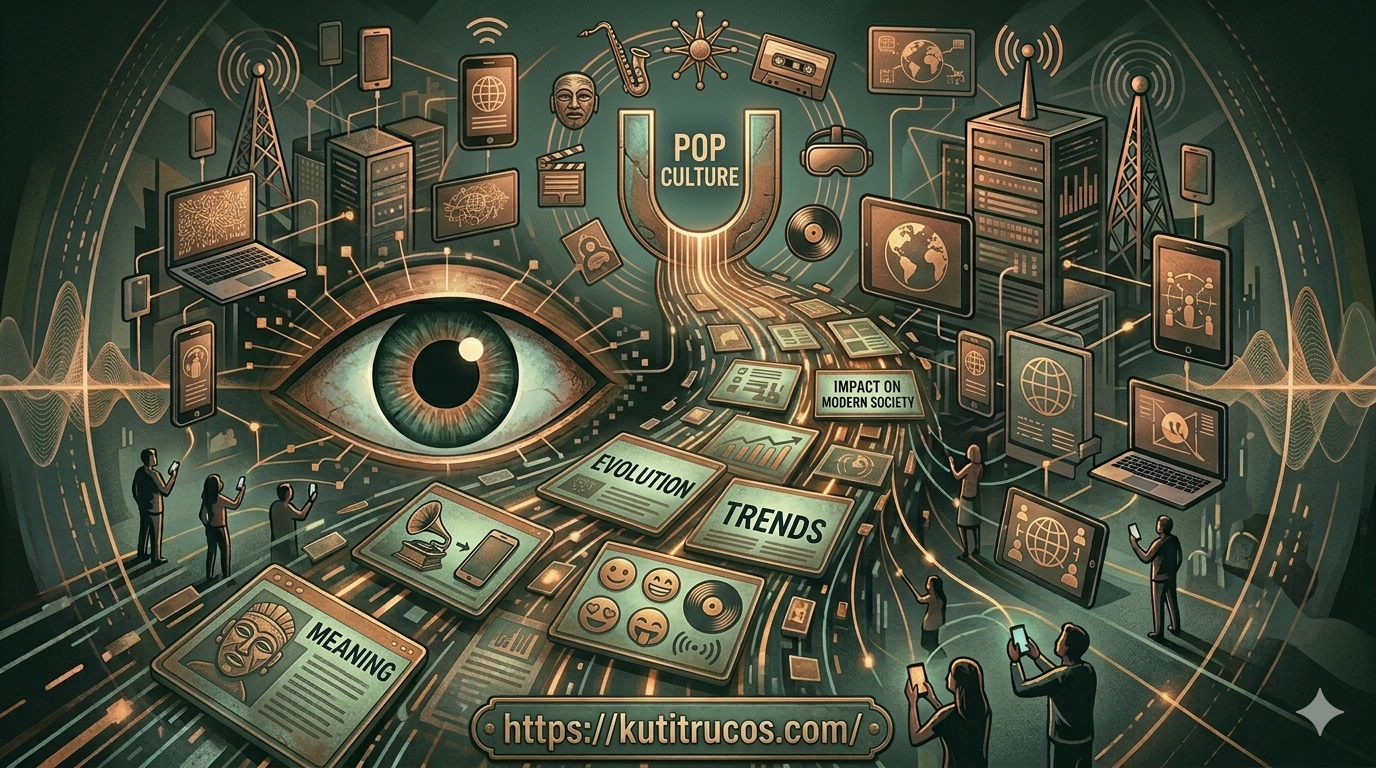
Pop culture, short for popular culture, is one of the most powerful forces shaping modern society. It includes the ideas, trends, entertainment, fashion, music, movies, social media movements, and lifestyle habits that dominate everyday life. In the United States and around the world, pop culture influences how people think, communicate, dress, and interact with each other.
From viral TikTok trends to blockbuster movies and global music sensations, pop culture evolves constantly. It reflects the interests of society at a particular time and spreads rapidly through digital platforms. Today, pop culture is not just entertainment—it is a global language shared by millions of people.
What Is Pop Culture?
Pop culture refers to the set of ideas, behaviors, and trends that are widely accepted and followed by the general public. Unlike traditional or historical culture, pop culture is constantly changing based on what is trending at the moment.
It includes everything from music and movies to fashion styles, memes, social media content, and celebrity lifestyles. Pop culture is shaped heavily by media, entertainment industries, and digital platforms.
For example, a viral song on TikTok, a trending Netflix series, or a popular fashion trend seen on Instagram can all become part of pop culture within days.
The Evolution of Pop Culture
Pop culture has gone through major transformations over the decades. Each era has its own unique identity influenced by technology, media, and global communication.
Early Pop Culture (1900s–1950s)
In the early 20th century, pop culture was shaped by radio, newspapers, and cinema. Hollywood films, jazz music, and early television programs played a major role in defining entertainment trends.
The Television Era (1960s–1980s)
Television became the most influential medium during this period. Families gathered around TV screens to watch shows, news, and entertainment programs. Music genres like rock and pop also gained massive popularity.
The Internet Revolution (1990s–2000s)
The rise of the internet changed everything. People could now access global entertainment instantly. Websites, early social media platforms, and online forums helped spread pop culture faster than ever before.
The Social Media Era (2010s–Present)
Today, pop culture is driven by social media platforms such as Instagram, TikTok, YouTube, and X. Trends spread within hours, and anyone can become famous overnight through viral content.
Key Elements of Pop Culture
Pop culture is made up of several major components that influence everyday life.
Music
Music is one of the strongest parts of pop culture. Genres like hip-hop, pop, rap, EDM, and Latin music dominate global charts.
Movies and TV Shows
Hollywood and global streaming platforms produce content that shapes entertainment trends. Popular shows and movies often influence fashion, language, and even social behavior.
Fashion
Fashion trends are heavily influenced by celebrities, influencers, and music artists. Streetwear, luxury brands, and casual styles often become mainstream due to pop culture influence.
Social Media
Social media is the heartbeat of modern pop culture. Viral videos, memes, challenges, and influencer content spread quickly and shape public interest.
Memes and Internet Culture
Memes are a major part of digital pop culture. They reflect humor, politics, emotions, and everyday experiences in a relatable way. Memes often go viral within hours.
The Role of Celebrities in Pop Culture
Celebrities play a major role in shaping pop culture. Actors, musicians, athletes, and influencers influence how people dress, speak, and behave.
Fans closely follow celebrity lifestyles, relationships, fashion choices, and public appearances. This constant attention makes celebrities trendsetters in modern society.
Social media has made celebrities more accessible than ever. Fans can now interact directly with public figures, making pop culture more personal and interactive.
Social Media and Viral Trends
Social media platforms are the main drivers of modern pop culture. TikTok, Instagram Reels, and YouTube Shorts have completely changed how trends are created and spread.
A single viral video can influence millions of people worldwide. Dance challenges, viral sounds, and trending hashtags often define what becomes popular in a short period of time.
Influencers and content creators play a major role in shaping these trends. Their creativity helps keep pop culture fresh and constantly evolving.
How Pop Culture Influences Society
Pop culture has a strong impact on society, especially among young people.
Language and Communication
New slang words, phrases, and expressions often come from pop culture. Social media trends and music lyrics influence how people communicate.
Fashion and Lifestyle
Pop culture shapes clothing styles, beauty standards, and lifestyle choices. Many people follow celebrity-inspired fashion trends.
Technology and Digital Behavior
Pop culture influences how people use technology. Apps, games, and online platforms often become popular because of cultural trends.
Social Awareness
Pop culture also spreads awareness about social issues such as mental health, equality, and environmental concerns. Celebrities and influencers often use their platforms to promote positive messages.
Pop Culture and the Entertainment Industry
The entertainment industry is the backbone of pop culture. Movies, music, and digital content are produced to match audience interests and trends.
Streaming platforms like Netflix, Spotify, and YouTube play a major role in distributing pop culture content globally. This has made entertainment more accessible and diverse.
The industry constantly adapts to changing trends to remain relevant and engaging for audiences.
Globalization of Pop Culture
It has become a global phenomenon.
K-pop from South Korea, Hollywood films from the United States, Bollywood movies from India, and Latin music from Latin America all contribute to global pop culture.
Digital platforms allow cultural exchange across borders, making pop culture more diverse and inclusive.
The Business of Pop Culture
Pop culture is also a massive business industry. Companies use cultural trends to promote products and services.
Brands collaborate with celebrities and influencers to reach larger audiences. Fashion, technology, and entertainment industries all benefit from pop culture marketing.
Merchandising, sponsorships, and digital advertising generate billions of dollars globally.
The Dark Side of Pop Culture
While pop culture is entertaining, it also has challenges.
Excessive social media use can lead to comparison, pressure, and unrealistic expectations. Viral trends sometimes spread misinformation or unhealthy behaviors.
Celebrity culture can also create pressure on public figures, affecting their privacy and mental health.
It is important for audiences to consume pop culture responsibly and critically.
The Future of Pop Culture
The future of pop culture will be shaped by technology, artificial intelligence, and virtual experiences.
Virtual concerts, AI-generated music, and digital influencers are already becoming part of modern entertainment.
Augmented reality and virtual reality may further change how people experience movies, games, and social media.
Pop culture will continue evolving rapidly as new technologies emerge.
Why Pop Culture Matters
Pop culture is important because it reflects society’s values, interests, and creativity. It connects people from different backgrounds through shared experiences.
It also plays a major role in shaping identity, especially among young generations.
By understanding pop culture, we better understand modern society and how it continues to evolve.
Conclusion
Pop culture is a dynamic and ever-changing part of modern life. It influences music, movies, fashion, social media, and global communication.
From early radio and television to today’s digital platforms, pop culture has continuously evolved with technology and society.
Its impact on lifestyle, entertainment, and business makes it one of the most powerful cultural forces in the world.
As technology continues to advance, pop culture will keep growing, adapting, and shaping the future of global entertainment and human interaction.

