

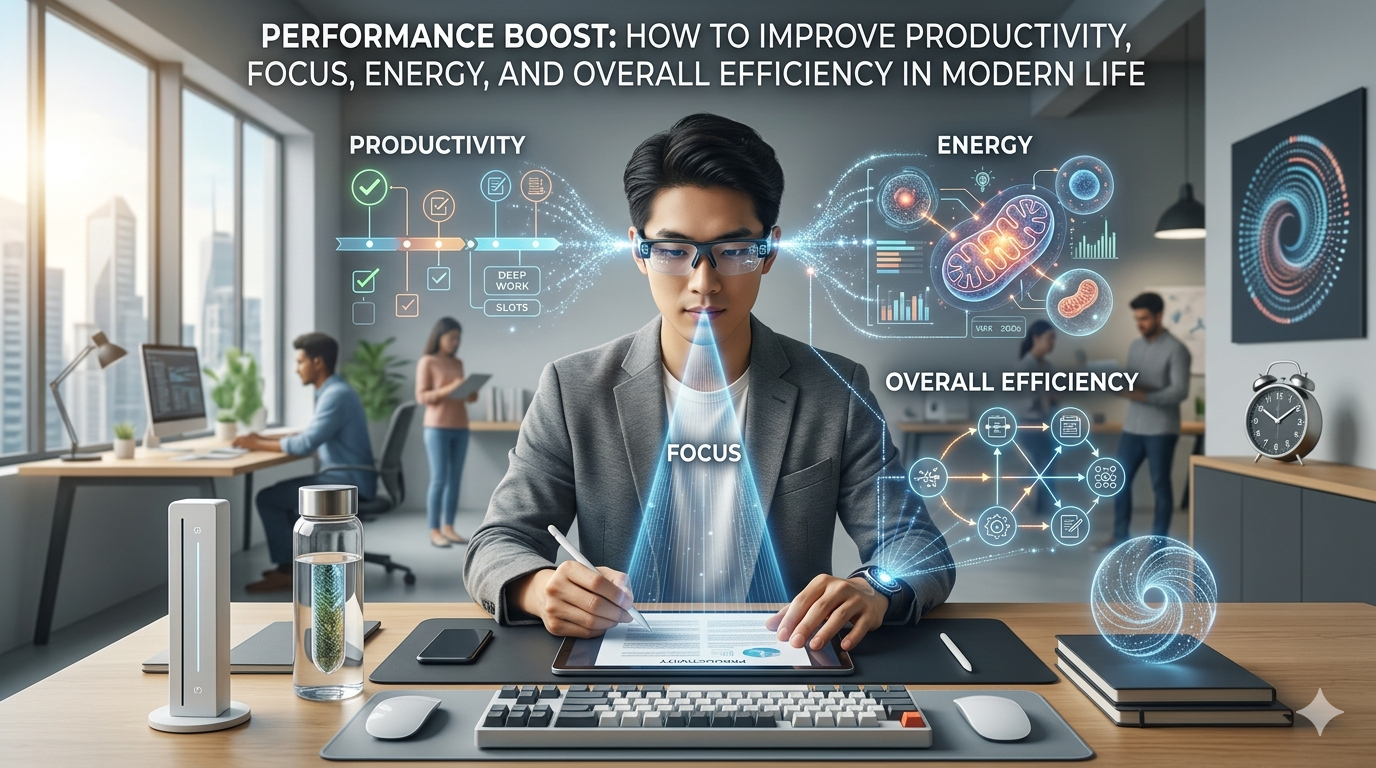
Performance boost refers to the process of improving productivity, efficiency, mental focus, and physical or digital output. In today’s fast-moving world, everyone is looking for ways to perform better – whether in work, studies, sports, or personal life. The idea of boosting performance is no longer limited to athletes or professionals; it has become an essential part of everyday life.
From improving brain focus to optimizing physical energy and digital systems, performance boost strategies help individuals and organizations achieve more in less time. In a competitive world, even small improvements in performance can lead to significant long-term success.
What Does Performance Boost Mean?
A performance boost means increasing the effectiveness, speed, and quality of output in any activity. It can apply to:
- Mental performance (focus, memory, decision-making)
- Physical performance (strength, stamina, endurance)
- Workplace performance (productivity, efficiency, time management)
- Digital performance (system speed, software optimization)
In simple terms, performance boost is about doing better, faster, and smarter.
Why Performance Boost is Important in Today’s World
Modern life is full of distractions, responsibilities, and high expectations. People often struggle to maintain focus and energy throughout the day. This is why performance improvement has become essential.
Key reasons include:
- Increasing workload and competition
- Rise of digital distractions
- Faster business environments
- Need for better time management
- Demand for higher productivity
Individuals and businesses that optimize performance gain a strong advantage over others.
Types of Performance Boost
Performance improvement can be categorized into different areas depending on the goal.
1. Mental Performance Boost
This focuses on improving brain function, concentration, and decision-making abilities.
2. Physical Performance Boost
This includes improving stamina, strength, energy levels, and overall health.
3. Professional Performance Boost
Work-related improvements such as productivity, communication, and task efficiency.
4. Digital Performance Boost
Enhancing system speed, software efficiency, and technological performance.
Mental Performance Boost: Improving Focus and Productivity
Mental performance is one of the most important aspects of success in any field.
1. Better Focus Techniques
Improving focus helps reduce distractions and increase efficiency. Techniques like time-blocking and prioritization help maintain attention on important tasks.
2. Cognitive Training
Activities like reading, puzzles, and problem-solving improve brain function and memory.
3. Stress Management
High stress reduces mental performance. Relaxation techniques such as meditation and breathing exercises help maintain clarity.
4. Proper Sleep
Sleep plays a crucial role in memory retention, focus, and decision-making ability.
Physical Performance Boost: Energy and Strength Enhancement
Physical performance is directly linked to overall energy levels and health.
1. Regular Exercise
Exercise improves stamina, strength, and endurance, allowing individuals to perform better in daily tasks.
2. Balanced Diet
Nutrition plays a key role in energy production and body performance. A healthy diet supports better physical output.
3. Hydration
Proper water intake ensures that the body functions efficiently and prevents fatigue.
4. Rest and Recovery
Rest is essential for muscle recovery and energy restoration.
Workplace Performance Boost: Productivity and Efficiency
In professional environments, performance improvement is essential for success.
1. Time Management
Effective time management helps prioritize tasks and reduce wasted effort.
2. Task Organization
Organizing tasks improves workflow and reduces confusion.
3. Skill Development
Continuous learning improves professional capabilities and performance levels.
4. Reducing Distractions
A distraction-free environment increases focus and productivity.
Digital Performance Boost: Technology Optimization
In the digital world, performance is not only about humans but also systems and devices.
1. System Optimization
Cleaning unnecessary files and optimizing system settings improves speed.
2. Software Updates
Regular updates improve performance, security, and efficiency.
3. Cloud Optimization
Cloud-based tools help improve data management and accessibility.
4. Cyber Efficiency Tools
Automation tools reduce manual effort and improve output speed.
Factors That Affect Performance
Several internal and external factors influence performance levels.
1. Mental State
Stress, anxiety, and lack of focus reduce performance.
2. Physical Health
Poor health directly impacts energy and productivity.
3. Environment
A noisy or unorganized environment reduces efficiency.
4. Technology
Outdated tools and systems slow down performance.
5. Habits
Poor habits like procrastination negatively affect results.
Techniques to Boost Performance Effectively
Improving performance requires consistent effort and proper strategies.
1. Set Clear Goals
Clear goals help maintain direction and motivation.
2. Break Tasks into Steps
Smaller tasks are easier to complete and manage.
3. Prioritize Important Work
Focus on high-impact tasks first.
4. Maintain Consistency
Regular effort leads to long-term improvement.
5. Use Productivity Tools
Apps and tools help track and improve performance.
Psychological Impact of Performance Boost
Improved performance has a strong impact on mental health and confidence.
Benefits include:
- Increased self-confidence
- Reduced stress levels
- Better decision-making
- Higher motivation
- Improved emotional balance
When individuals see progress, they feel more motivated to continue improving.
Common Mistakes That Reduce Performance
Many people unknowingly reduce their performance due to bad habits.
1. Multitasking
Doing multiple tasks at once reduces efficiency.
2. Lack of Planning
Without planning, time and effort are wasted.
3. Poor Sleep Habits
Inadequate rest leads to low energy and focus.
4. Overuse of Technology
Excessive screen time reduces attention span.
5. Ignoring Health
Poor diet and inactivity affect overall performance.
Future of Performance Optimization
Performance improvement is evolving with technology and science.
1. AI-Based Productivity Tools
Artificial intelligence is helping people work faster and smarter.
2. Wearable Technology
Devices track health and performance in real-time.
3. Smart Work Systems
Automation is reducing manual workload.
4. Personalized Performance Plans
Future systems will provide customized improvement strategies.
Conclusion
Whether in personal life, work environment, or digital systems, optimizing performance leads to better results and long-term success.
By adopting healthy habits, using smart tools, and maintaining consistency, anyone can significantly improve their performance. In a competitive world, those who continuously work on improving themselves are the ones who achieve sustainable success.
Ultimately, performance boost is not just about working harder – it is about working smarter, staying focused, and making every effort count.

