

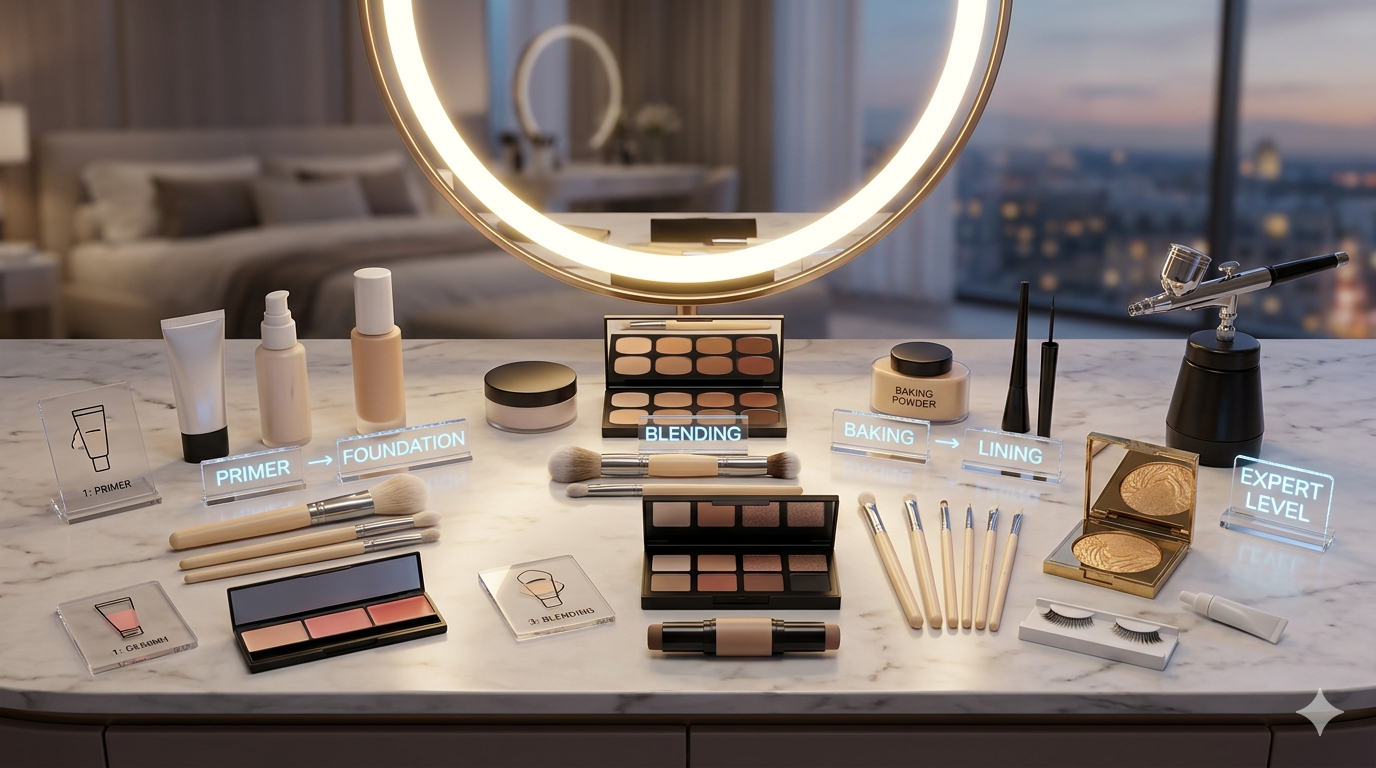
Introduction
Applying makeup correctly can completely transform how products look and perform on the skin. While many beauty brands focus on complex routines and dozens of products, Laura Geller makeup has built a reputation around simplicity, skin-friendly formulas, and easy application techniques.
Many people search for how to apply Laura Geller makeup because the brand is especially popular among consumers looking for quick routines, natural finishes, and makeup that works across different ages and skin types.
The beauty market in the United States has shifted toward makeup that looks natural rather than overly heavy. This is one reason Laura Geller products continue attracting attention from beginners, working professionals, and mature makeup users.
This guide explains how to apply Laura Geller makeup step by step, including preparation techniques, foundation application methods, blending tips, common mistakes, and professional tricks for achieving a smooth, polished look.
Understanding Laura Geller Makeup Philosophy
Before applying makeup, understanding the product philosophy helps.
Laura Geller makeup generally focuses on:
- Natural-looking coverage
- Lightweight textures
- Easy application methods
- Skin-enhancing finishes
- Buildable formulas
Rather than creating heavy layers, these products are usually designed to improve skin appearance while maintaining a more natural look.
Why Proper Application Matters
Even high-quality products can perform poorly if applied incorrectly.
Proper application helps:
- Improve coverage
- Increase wear time
- Reduce patchiness
- Create smoother finishes
- Prevent product waste
Application technique often matters just as much as product quality.
Step 1: Start With Skin Preparation
Good makeup begins with skin preparation.
Cleanse the Face
Remove:
- Oil buildup
- Dirt
- Previous product residue
Clean skin helps makeup apply evenly.
Moisturize Properly
Hydrated skin creates a smoother makeup application.
Benefits include:
- Reduced dryness
- Better blending
- Less product separation
Allow moisturizer to absorb fully before continuing.
Apply Primer
Primer creates a smoother surface.
Benefits:
- Longer wear time
- Improved texture
- Better product grip
Primer selection depends on skin type.
Step 2: Applying Laura Geller Foundation Correctly
Foundation application is usually the most important step.
Many users prefer baked foundations because of their lightweight feel.
Choose the Right Tool
Common options include:
Brush Application
Provides:
- Faster coverage
- More polished finishes
- Better blending control
Sponge Application
Provides:
- Softer appearance
- Natural finish
- Sheer coverage
Finger Application
Useful for:
- Quick touchups
- Smaller areas
Start With Small Amounts
A common mistake is using too much product immediately.
Instead:
- Start lightly
- Build gradually
- Add coverage only where needed
Blend From Center Outward
Apply product:
- Around nose area
- Across cheeks
- Toward forehead
- Outward toward hairline
This prevents heavy edges.
Step 3: Building Coverage Without Looking Heavy
Many people want more coverage while maintaining natural results.
Tips include:
- Apply thin layers
- Blend thoroughly between layers
- Focus extra coverage only where needed
Heavy layering often creates texture issues.
Step 4: Concealer Application
Concealer helps brighten and even skin tone.
Apply carefully around:
- Under-eye areas
- Dark spots
- Redness zones
Blend gently rather than dragging product.
Step 5: Applying Powder Properly
Powder application affects final appearance significantly.
Use Light Pressure
Avoid pressing excessive products into skin.
Instead:
- Use gentle circular motions
- Apply lightly first
- Build gradually
Focus on High-Oil Areas
Typically:
- Forehead
- Nose
- Chin
Over-powdering dry areas may emphasize texture.
Step 6: Applying Blush for Natural Results
Blush placement changes facial appearance dramatically.
Smile Slightly
Identify cheek areas naturally.
Blend Upward
Upward blending creates:
- Lifted appearance
- Softer transitions
- More natural shape
Avoid Overloading Brushes
Too much product creates harsh color patches.
Step 7: Bronzer and Contour Techniques
Bronzer creates warmth.
Contour creates structure.
Common placement areas:
- Cheekbones
- Jawline
- Forehead perimeter
Blend thoroughly for natural transitions.
Step 8: Highlighter Application
Highlighter works best when used selectively.
Popular placement areas:
- Cheekbones
- Brow bones
- Nose bridge
- Inner eye corners
Too much highlighter can reduce natural appearance.
Step 9: Eye Makeup Application
Simple eye makeup often complements natural-face routines.
Common steps:
- Apply neutral shadows
- Blend crease areas softly
- Add mascara carefully
Balanced eye makeup creates cleaner overall results.
Step 10: Lip Product Application
Lip color completes the makeup routine.
For longer wear:
- Exfoliate lips lightly
- Apply thin layers
- Blot between applications if needed
Setting Makeup Correctly
Setting makeup improves durability.
Options include:
- Setting powder
- Setting sprays
- Combination approaches
Proper setting reduces fading throughout the day.
Common Mistakes People Make
Avoiding mistakes improves results quickly.
Using Too Much Product
Heavy layers often create:
- Cakiness
- Texture emphasis
- Reduced comfort
Skipping Skin Preparation
Poor preparation causes uneven finishes.
Wrong Shade Selection
Incorrect shades create an unnatural appearance.
Poor Blending
Blending affects almost every makeup step.
Ignoring Lighting
Always check makeup in natural lighting when possible.
Makeup Tips for Different Skin Types
Dry Skin
Focus on:
- Hydration
- Creamier textures
- Less powder
Oily Skin
Focus on:
- Oil control
- Setting techniques
- Lightweight layering
Combination Skin
Balance hydration and oil control carefully.
Mature Skin
Focus on:
- Lightweight application
- Hydration
- Reduced heavy powder use
Why Natural Makeup Is Growing in Popularity
Beauty trends increasingly favor:
- Skin-like finishes
- Lightweight formulas
- Faster routines
- Less product layering
Consumers increasingly prefer makeup that enhances rather than masks.
Makeup Trends Influencing the United States Market
Current beauty trends include:
- Minimal makeup routines
- Soft glam looks
- Lightweight complexion products
- Skin-first beauty philosophy
These trends align closely with simplified makeup routines.
Creating a Fast Everyday Routine
A simplified routine might include:
- Skin prep
- Foundation
- Concealer
- Blush
- Mascara
- Lip product
Many users prioritize speed and practicality.
Future of Makeup Application
Beauty routines continue evolving.
Future trends may include:
- AI color matching
- Personalized formulas
- Virtual try-on systems
- Smart beauty devices
Technology continues changing how consumers shop and apply makeup.
Conclusion
Learning how to apply Laura Geller makeup effectively is less about complicated techniques and more about understanding layering, blending, and skin preparation. Lightweight application methods often create the most flattering results while preserving a natural appearance.
As beauty preferences continue shifting toward simpler, faster, and more skin-focused routines-especially in the United States-easily-to-apply makeup systems continue gaining popularity.
The best makeup application approach is not necessarily using more products. Often, using the right amount with proper technique creates the most polished results.
With practice, consistency, and proper preparation, anyone can create a professional-looking makeup finish without an overly complicated routine.
Frequently Asked Questions
How do you apply baked foundation properly?
Use light layers, blend gradually, and build coverage slowly.
Should you use a brush or sponge?
Both work well. Brushes provide more coverage while sponges create softer finishes.
Why does makeup look patchy?
Usually due to poor skin preparation, excessive product, or inadequate blending.
How can makeup last longer?
Use primer, apply thin layers, and set products properly.
Is lightweight makeup better for everyday wear?
Many people prefer lighter makeup because it feels more comfortable and natural.

