

Introduction
Rome is one of Italy’s most fascinating cities, filled with ancient landmarks, historic neighborhoods, impressive architecture, and world-famous cuisine. Yet some of the country’s most rewarding experiences can be found beyond the capital. Within reach of Rome, travelers can discover Renaissance masterpieces, peaceful gardens, medieval hill towns, archaeological sites, and beautiful countryside.
Planning day trips from Rome is an excellent way to make a vacation in Italy more diverse without changing hotels every night. Depending on your interests, you can explore the ruins of an ancient Roman port, wander through the streets of Florence, admire the gardens of Tivoli, or discover the remarkable archaeological remains of Pompeii.
Some places are easy to reach by regional train, while others require an early departure or a guided excursion to make the most of the day.
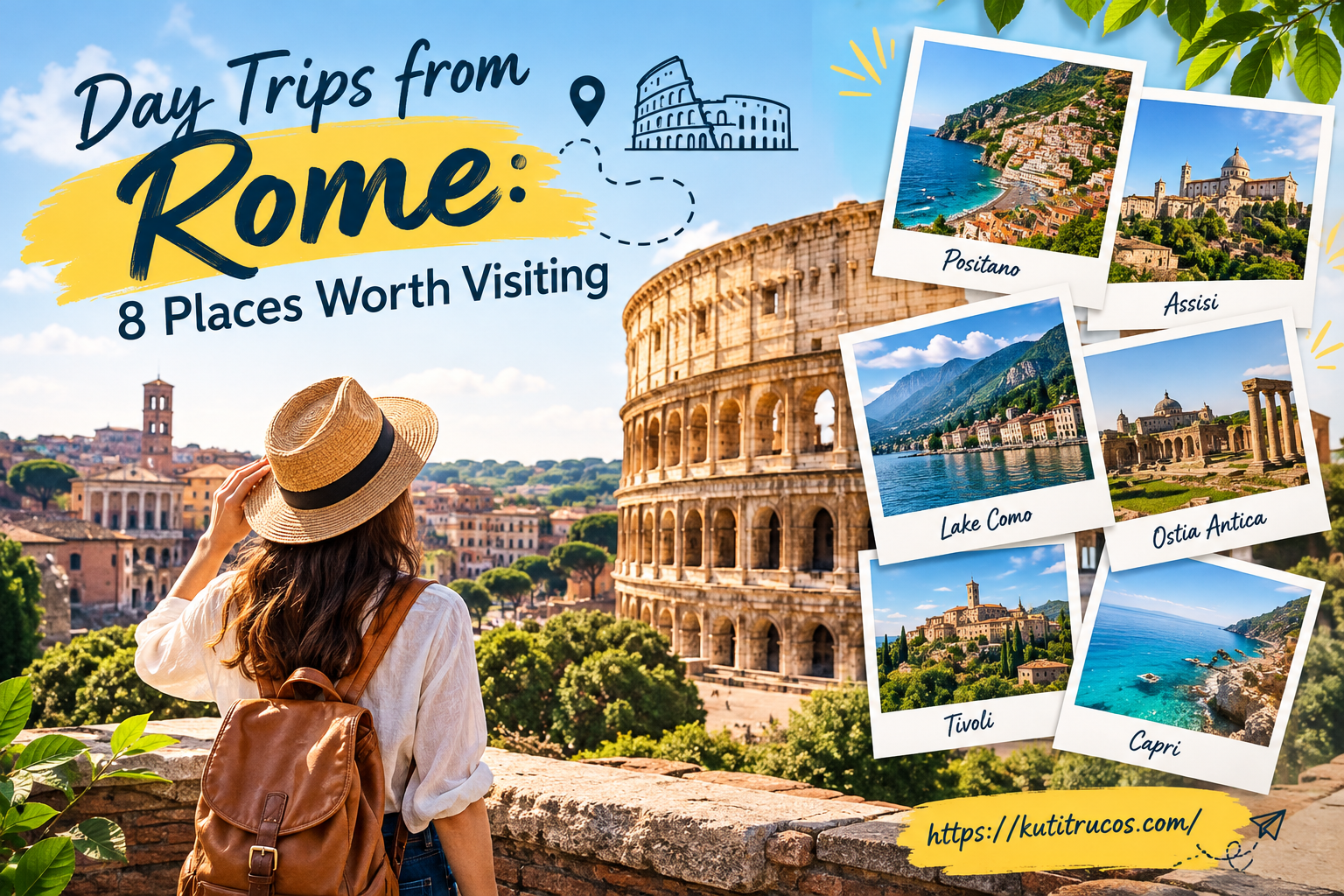
This guide explores eight memorable destinations, with practical advice to help you choose the right trip and plan a comfortable itinerary.
Why Take Day Trips from Rome?
Rome offers enough attractions to fill several days, but exploring the surrounding region reveals another side of Italy. A short journey can take you from crowded city streets to quiet gardens, historic villages, coastal landscapes, and archaeological parks.
Day trips also allow travelers to experience different aspects of Italian culture. Florence is known for Renaissance art and architecture, Tivoli offers historic villas and landscaped gardens, and Naples is famous for its energetic street life and distinctive food traditions.
For travelers visiting Italy for the first time, day trips provide a convenient way to explore beyond Rome while keeping one main accommodation base. Families can select destinations with manageable travel times, history enthusiasts can visit archaeological sites, and food lovers can discover regional dishes outside the capital.
The key is to choose destinations realistically. A place being reachable in one day does not always mean it is comfortable to visit on a tight schedule. Consider transportation time, attraction opening hours, and how much time you want to spend exploring once you arrive.
Travelers who enjoy combining cultural discoveries with premium experiences may also appreciate exploring modern luxury living and lifestyle trends. This guide to Luxury Lifestyle in 2026 offers inspiration for those interested in elevated experiences, stylish living, and contemporary luxury. These ideas can complement a travel itinerary focused on discovering Italy’s historic landmarks and beautiful destinations.
1. Tivoli: Explore Historic Villas and Gardens
Tivoli is one of the most appealing choices for travelers seeking a relaxing escape from Rome. Located east of the capital, this historic town is especially known for its impressive villas, landscaped gardens, fountains, and archaeological heritage.
What Makes Tivoli Special?
Villa d’Este is a major highlight. This Renaissance villa is famous for its elaborate gardens, decorative fountains, terraces, and water features. Walking through the grounds reveals a carefully designed landscape that combines architecture with natural beauty.
Hadrian’s Villa offers a different experience. Built during the reign of Emperor Hadrian, this extensive archaeological complex contains the remains of imperial residences, courtyards, pools, and other structures inspired by different parts of the Roman world.
Both sites provide insight into different periods of history, making Tivoli an excellent destination for architecture and history enthusiasts.
The town itself is also worth exploring. Visitors can enjoy local restaurants, traditional streets, and views across the surrounding landscape. If you have enough time, a leisurely lunch can make the trip feel less rushed.
How to Plan Your Visit
Tivoli is generally one of the more manageable day trips from Rome. Depending on your departure point and transport option, the journey may take around an hour or longer.
If you want to visit both major villas, start early and confirm their opening hours and ticket requirements in advance.
Best for: Gardens, architecture, history, photography, and a relatively relaxed day outside the city.
2. Florence: Discover Renaissance Art and Architecture
Florence is an outstanding choice for travelers who want to experience one of Italy’s most celebrated cultural cities. Known as the birthplace of the Renaissance, it is filled with historic churches, art collections, elegant squares, and architectural landmarks.
High-speed trains connect Rome with Florence, making a day visit possible for travelers who plan carefully.
Top Attractions in Florence
The Cathedral of Santa Maria del Fiore, commonly called the Duomo, is among Florence’s most recognizable landmarks. Its impressive dome dominates the skyline, while the surrounding square contains several important historic buildings.
Piazza della Signoria is another essential stop. The square features historic architecture and sculptures and provides a convenient starting point for exploring the surrounding streets.
Art enthusiasts may want to visit the Uffizi Gallery, which houses an important collection of Renaissance works. Because popular museums can attract substantial crowds, advance reservations are worth considering.
The Ponte Vecchio, a historic bridge lined with shops, is another favorite for visitors. Walking along the nearby river offers pleasant views and opportunities for photography.
Florence is also known for Tuscan food. Depending on your preferences, you might try fresh pasta, traditional soups, regional cheeses, or a local pastry during your visit.
Is Florence Suitable for a Day Trip?
Yes, particularly if you travel by high-speed train and focus on a few major attractions. The fastest services can make the journey approximately an hour and a half each way, although exact travel times depend on the train selected.
A day trip will not allow you to see everything. Choose two or three main activities, allow time for lunch, and leave room for walking around the historic center.
Best for: Art, museums, architecture, shopping, and travelers who enjoy historic city centers.
3. Pompeii: Walk Through an Ancient Roman City
Pompeii is one of Italy’s most remarkable archaeological destinations. The ancient city was buried by the eruption of Mount Vesuvius in AD 79, preserving streets, houses, public buildings, and other evidence of everyday Roman life.
What Can You See at Pompeii?
The archaeological site contains extensive remains of homes, shops, public spaces, and religious buildings. Visitors can walk along ancient streets and observe features such as stone paving, courtyards, wall paintings, and decorative mosaics.
The Forum was an important public center, while the remains of bathhouses and other structures reveal how people lived and interacted in the city.
Some houses preserve remarkably detailed decoration, although access to individual buildings can vary depending on conservation work and site conditions.
A guided tour can be valuable because it explains how the city functioned before the eruption and helps visitors understand the significance of the ruins.
Getting There from Rome
Pompeii is farther from Rome than Tivoli or Ostia Antica, so it requires more careful planning. Many independent itineraries involve a high-speed train to Naples followed by a local connection, although available services can vary.
A guided excursion may simplify transportation and provide additional historical context. If you travel independently, check both the outbound and return journeys before booking your archaeological entry.
Allow several hours to explore the site, particularly if you want to see its major areas without rushing. The terrain can be uneven, and summer temperatures may make walking tiring.
Best for: Ancient history, archaeology, guided tours, and travelers willing to spend a full day on an excursion.
4. Ostia Antica: Discover Rome’s Ancient Port
For travelers interested in Roman history who prefer a shorter journey, Ostia Antica is an excellent alternative to Pompeii. This archaeological park preserves the remains of an ancient port town that once played an important role in Rome’s commercial life.
The site provides an opportunity to explore Roman streets, public buildings, residential areas, and mosaics in a setting that feels different from the capital’s busiest attractions.
What to See at Ostia Antica
One of the most interesting aspects of the site is its layout. Walking along the ancient streets helps visitors understand how the town was organized and how people moved between shops, public spaces, and residential buildings.
The archaeological remains include bath complexes, a theater, and commercial buildings. Some mosaics and decorative features provide clues about the activities that once took place in the area.
Compared with a longer trip to Pompeii, Ostia Antica can offer a more manageable archaeological excursion. It is particularly appealing to visitors who enjoy exploring at their own pace.
Practical Travel Advice
Ostia Antica is accessible from Rome by suburban rail connections, although you should confirm the current route and service information before departure. Check the archaeological park’s opening calendar, ticket arrangements, and any restrictions affecting specific areas.
Set aside several hours for the visit and bring water, sun protection, and comfortable footwear. Much of the experience takes place outdoors.
Best for: Roman history, archaeology, families, and travelers looking for a shorter excursion.
5. Orvieto: Experience a Beautiful Medieval Hill Town
Orvieto is an attractive destination for travelers who want a quieter Italian experience away from major tourist centers. Perched on a dramatic volcanic plateau in Umbria, the town is known for its medieval streets, impressive cathedral, local food, and panoramic views.
It is a particularly good option for those who enjoy wandering through historic neighborhoods rather than following a packed sightseeing schedule.
Highlights of Orvieto
The Duomo di Orvieto is the town’s most famous landmark. Its elaborate facade features detailed decoration, colorful mosaics, and sculptures that make it one of central Italy’s most memorable cathedrals.
Inside, visitors can discover significant religious artwork and architectural details. Opening arrangements and access to specific areas may vary, so check visitor information before arriving.
Orvieto’s streets are another attraction. Small shops, cafés, traditional restaurants, and historic buildings create opportunities to explore at a comfortable pace.
Travelers interested in the town’s underground history can look into guided visits to selected tunnels, caves, and historic spaces beneath the streets. Availability depends on the tour and season.
Food is part of the experience, too. The region is known for local wines and traditional Umbrian cooking, making a leisurely lunch a worthwhile addition to the itinerary.
Getting There
Trains connect Rome with Orvieto, with journey times varying by service. After arriving at the railway station, visitors typically need to use the local funicular and connecting transport or another available route to reach the historic upper town.
Plan enough time for the transfer, sightseeing, and return journey. A full day allows you to appreciate the town without rushing between attractions.
Best for: Medieval architecture, local cuisine, photography, wine, and relaxed cultural travel.
6. Naples: Enjoy Food, History, and Southern Italian Energy
Naples offers a lively contrast to Rome. Known for its strong local identity, historic neighborhoods, waterfront views, and celebrated cuisine, it provides a rewarding experience for travelers who want to explore another major Italian city.
High-speed rail makes Naples a practical day-trip option, especially for visitors who want to spend the day walking, eating, and discovering historic landmarks.
What to Experience in Naples
The historic center contains narrow streets, churches, traditional shops, and buildings that reflect the city’s long history. Walking through this area gives visitors a sense of everyday life and local culture.
Naples also has important museums and archaeological collections. The National Archaeological Museum is particularly relevant for travelers interested in objects and artworks from Pompeii and other ancient sites.
The waterfront offers a different atmosphere, with views across the bay and toward the surrounding coastline. Depending on your schedule, you may also want to explore selected historic squares or enjoy a coffee in a traditional café.
Of course, food is one of Naples’ biggest attractions. The city is strongly associated with pizza, but its culinary traditions also include pastries, pasta dishes, seafood, and street food.
Tips for a Naples Day Trip
Book a suitable train in advance if you are traveling during a busy period. Once in Naples, prioritize a few attractions within a manageable area instead of attempting to cover the entire city.
Naples can be busy and energetic, so keep personal belongings secure and allow extra time when moving through crowded streets or stations.
Best for: Food lovers, urban explorers, history enthusiasts, and travelers curious about southern Italy.
7. Castel Gandolfo: Enjoy Lake Views and a Peaceful Escape
Castel Gandolfo is a charming town in the Castelli Romani area, southeast of Rome. It is especially known for its position above Lake Albano, scenic viewpoints, and association with the papal summer residence.
For travelers seeking a calmer outing, this destination combines attractive scenery with a compact historic center.
Things to Do in Castel Gandolfo
Begin by exploring the town’s central streets and squares. The atmosphere is generally more relaxed than Rome, and the elevated location provides attractive views over the surrounding countryside.
Lake Albano is another highlight. Depending on the season and local conditions, visitors may enjoy a lakeside walk, a meal with a view, or time spent appreciating the landscape.
Travelers interested in history can investigate visitor access to the Apostolic Palace and its gardens. Access arrangements and opening schedules can change, so check official visitor information before planning around a specific attraction.
Local restaurants provide opportunities to sample regional dishes. A long lunch can be a pleasant part of a day that focuses more on scenery and relaxation than on ticking off landmarks.
How to Visit
Regional trains connect Rome with Castel Gandolfo, but the best option depends on your starting station and the places you want to see. Confirm transport times and any uphill walking required.
This excursion can work well as a half-day visit or a slower full-day outing when combined with other suitable attractions in the area.
Best for: Scenic views, lakeside surroundings, local food, and a peaceful break from the city.
8. The Amalfi Coast: Discover Italy’s Dramatic Coastal Scenery
The Amalfi Coast is famous for colorful villages, steep coastal landscapes, Mediterranean views, and winding roads above the sea. It is one of Italy’s most recognizable destinations and can appeal to travelers who dream of visiting the country’s southern coastline.
However, the Amalfi Coast is considerably farther from Rome than destinations such as Tivoli or Orvieto. A day trip is possible with careful planning, but it can involve a long day and several transportation connections.
What Makes the Amalfi Coast Special?
Positano is known for its hillside buildings, narrow lanes, boutiques, and views toward the water. Its steep streets create a distinctive landscape, although they can be challenging for visitors with mobility limitations.
Amalfi offers historic streets, a central square, and a striking cathedral. Travelers can explore the town, enjoy regional food, and take in the coastal atmosphere.
Ravello sits higher above the coast and is associated with gardens and panoramic viewpoints. Depending on the itinerary, it can offer a quieter perspective on the region.
Each town has its own character, so avoid trying to visit too many places in a single day.
Should You Visit on a Day Trip from Rome?
If the coast is a major priority, an overnight stay is often more comfortable. It allows you to spend less time traveling and more time enjoying the scenery.
If you only have one day, compare guided excursions carefully. Look at the departure time, transport arrangements, included stops, and the amount of time available in each town.
Weather, road traffic, and seasonal crowds can affect the experience, so keep your expectations realistic.
Best for: Coastal scenery, photography, romantic escapes, and travelers who can accommodate a longer travel day.
How to Choose the Right Day Trip
With so many destinations available, the best choice depends on the type of experience you want.
- For gardens and historic architecture: Choose Tivoli.
- For Renaissance art and major museums: Visit Florence.
- For ancient Roman ruins: Consider Pompeii or Ostia Antica.
- For medieval streets and local food: Explore Orvieto.
- For pizza and southern Italian culture: Spend a day in Naples.
- For lake views and a relaxed atmosphere: Visit Castel Gandolfo.
- For dramatic coastal scenery: Consider the Amalfi Coast, preferably with an overnight stay if your schedule allows.
Travel time should be part of the decision. Nearby destinations can leave you with more time to explore, while distant cities may require early departures and careful return planning.
If you want a trip designed around your interests, pace, and preferred destinations, you can explore tailor-made travel options through Designer Journeys. Compare itineraries and inclusions to decide whether a customized experience suits your plans.
Practical Tips for Planning Day Trips from Rome
Book Transportation in Advance
High-speed trains can be convenient for destinations such as Florence and Naples. Booking ahead may give you more departure choices, particularly during busy periods.
Regional trains and buses can be useful for nearby destinations, but schedules and routes should be checked before departure. Do not assume that the last return service will fit your preferred sightseeing schedule.
Check Attraction Opening Hours
Museums, archaeological parks, villas, and religious buildings may follow different schedules. Some attractions have seasonal hours or specific closure days.
Confirm opening times and ticket conditions before leaving Rome. For popular museums and major archaeological sites, advance reservations may help you avoid disappointment.
Wear Comfortable Shoes
Many Italian destinations have cobblestone streets, uneven archaeological paths, hills, and long walking routes. Comfortable shoes are particularly important for Pompeii, Ostia Antica, Florence, and the Amalfi Coast.
A small day bag with water, sun protection, and any personal essentials can also make the journey easier.
Consider the Weather
Summer can be hot, particularly at outdoor archaeological sites and along exposed walking routes. Spring and autumn may offer comfortable conditions, but weather varies by destination.
Check the forecast for both Rome and your destination. Bring layers or rain protection when appropriate, and adjust outdoor plans if conditions become uncomfortable.
Avoid Overloading Your Itinerary
A common mistake is attempting to see too many attractions in a single day. Choose the experiences that matter most, allow time for meals, and keep your schedule flexible.
A well-paced day trip is often more memorable than a long list of stops completed in a hurry.
Check Accessibility Needs
Historic towns may contain steep streets, stairs, and uneven paving. Some archaeological sites cover extensive areas with limited shade, while particular attractions may have restricted access.
Review accessibility information in advance if you are traveling with children, older adults, or anyone who needs a more manageable walking route.
Final Thoughts
Day trips from Rome provide an excellent opportunity to discover more of Italy without giving up the convenience of staying in the capital. From Tivoli’s remarkable gardens and Florence’s Renaissance treasures to the ancient streets of Pompeii and the peaceful scenery of Castel Gandolfo, each destination offers a different reason to leave the city for a day.
The most suitable excursion depends on your interests, travel budget, and available time. Choose nearby destinations for a relaxed outing, use high-speed trains for major cities, and plan longer journeys carefully. If the Amalfi Coast is on your wish list, consider staying overnight to make the experience less rushed.
With thoughtful planning, comfortable transportation, and realistic expectations, you can turn a stay in Rome into a broader Italian adventure filled with history, culture, beautiful landscapes, and memorable food.

