

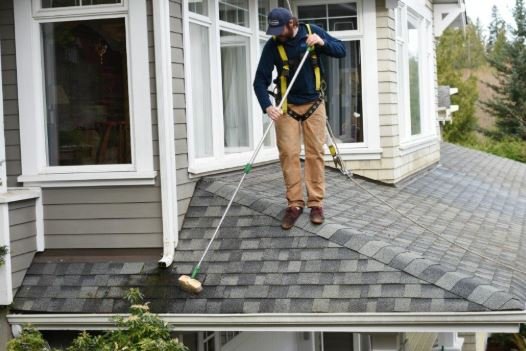
That green, fuzzy carpet creeping across your shingles might look harmless, even charming to some. But moss is quietly working against your roof, trapping moisture, lifting shingles, and shortening the lifespan of a system that’s supposed to protect your entire home. Left unchecked, what starts as a cosmetic issue can turn into costly structural damage.
The good news? Moss growth is one of the most preventable and treatable problems a homeowner can face. With the right approach, you can stop it in its tracks, protect your investment, and restore your roof’s appearance without resorting to harsh, damaging methods.
This post breaks down why moss forms, what it does to your roof over time, and how professional treatment makes all the difference. By the end, you’ll understand exactly what to look for and why acting sooner rather than later saves you money and stress.
Why Does Moss Grow on Roofs in the First Place?
Moss thrives in cool, shaded, and damp environments. Roofs facing north, those shaded by overhanging trees, or areas with poor drainage are especially vulnerable. Moisture gets trapped in the granules of asphalt shingles or the texture of wood and tile roofing, creating the perfect breeding ground for spores to take hold.
Once established, moss spreads quickly. It doesn’t just sit on the surface; its root-like structures (called rhizoids) work their way under shingles, lifting them away from the roof deck. This creates small gaps where water can seep in, leading to leaks that often go unnoticed until they cause interior damage.
Climate plays a role too. Homes in humid or rainy regions see faster moss growth, while those in drier climates might notice it concentrated in shadier spots. Either way, once moss appears, it rarely resolves on its own.
What Damage Can Moss Really Cause?
It’s easy to dismiss moss as a minor aesthetic issue, but the risks run deeper than appearances suggest.
Shingle Lift and Granule Loss: As moss grows, it pushes shingles upward, breaking the seal that keeps water out. This also accelerates granule loss, which protects shingles from UV damage and wear.
Moisture Retention: Moss acts like a sponge, holding water against the roof surface long after rain has stopped. This prolonged exposure weakens shingles and can lead to rot in the underlying wood structure.
Reduced Roof Lifespan: A roof that would normally last 20-25 years can see its lifespan significantly shortened when moss is allowed to spread unchecked year after year.
Pest Attraction: Damp, decaying organic material can attract insects and small pests, adding another layer of concern beyond the roof itself.
Curb Appeal: Beyond function, a moss-covered roof simply doesn’t look good. It can make even a well-maintained home appear neglected, which matters if you’re considering selling in the future.
Why DIY Moss Removal Often Backfires
Many homeowners try to tackle moss themselves with a pressure washer or store-bought chemical spray, and it’s easy to understand the appeal. But these approaches often cause more harm than good.
Pressure washing, for instance, can strip away protective granules and even crack shingles if the water pressure isn’t carefully controlled. Standing on a mossy, wet roof is also genuinely dangerous, making DIY removal one of the more hazardous weekend projects a homeowner can attempt.
Chemical treatments bought off the shelf can be inconsistent in strength and application. Too weak, and the moss simply grows back within months. Too strong, and you risk damaging shingles, harming nearby plants, or sending harmful runoff into your yard and local waterways.
Professional treatment solves these problems by using the right combination of technique, equipment, and product strength tailored to your specific roof type and moss severity.
How Clean425 Makes Roof Moss Removal Simple and Safe
Choose a professional team if you want moss treated effectively without risking damage to your shingles or your safety. This is exactly where Clean425 steps in.
Roof moss removal done the right way protects both your roof and your peace of mind, and that’s the philosophy behind every job Clean425 takes on. Rather than relying on harsh pressure washing, the team uses low-pressure, eco-conscious treatments designed to kill moss at the root without compromising your shingles’ integrity.
Here’s what sets the process apart:
- Careful Assessment: Every roof is different, so the team evaluates the extent of moss growth, roof material, and surrounding environment before recommending a treatment plan.
- Safe, Effective Treatments: Using low-pressure application methods, Clean425 removes moss without stripping granules or damaging shingles, a common risk with DIY pressure washing.
- Preventative Solutions: Beyond removal, treatments are designed to slow future regrowth, helping homeowners get more time between service visits.
- Trained Professionals: Working on a roof isn’t a casual task. Clean425’s technicians bring the training and equipment needed to get the job done safely and efficiently.
The result is a roof that looks refreshed, functions properly, and is protected against the kind of long-term damage moss can cause when left untreated.
Spotting the Signs Before Moss Takes Over
Catching moss early makes treatment faster, cheaper, and far less disruptive. Keep an eye out for:
- Green or dark patches, especially on shaded areas of the roof
- Shingles that appear lifted or uneven
- Water stains on ceilings or in attic spaces, which can indicate moisture intrusion
- Visible granule buildup in gutters, a sign shingles are deteriorating
- A general “aged” look to the roof despite its actual age
If any of these signs sound familiar, it’s worth scheduling an inspection sooner rather than later. Moss doesn’t pause for convenient timing, and the longer it’s left to grow, the more extensive (and expensive) the damage can become.
Protecting Your Roof Starts with Taking Action
A roof is one of the most significant investments in your home, and moss growth puts that investment at risk in ways that aren’t always obvious until it’s too late. From lifted shingles to moisture damage and reduced lifespan, the consequences of ignoring moss add up over time.
The solution doesn’t have to be complicated or risky. With a trusted team like Clean425 handling the process, you get effective treatment without the dangers and uncertainty of DIY methods. If your roof is showing signs of moss, now is the time to address it, before small problems become expensive repairs.
Frequently Asked Questions
How often should a roof be treated for moss?
This depends on your climate and roof exposure, but most homeowners benefit from an annual inspection, with treatment applied as needed based on moss severity.
Will moss removal damage my shingles?
Not when done correctly. Low-pressure, professional treatment methods are specifically designed to remove moss without harming shingle granules or structure, unlike high-pressure washing.
Can I prevent moss from coming back?
While no treatment guarantees moss will never return, preventative applications and regular maintenance significantly reduce the likelihood and slow regrowth considerably.
Is moss removal necessary if my roof looks fine otherwise?
Yes. Moss can cause damage beneath the surface long before visible signs appear elsewhere, making early treatment a smart, proactive choice.

