

Key Takeaways
- Digital prototyping helps apparel teams test design ideas before cutting physical samples.
- A useful workflow connects creative design, patterns, fit, materials, reviews, and production notes.
- Digital samples can reduce avoidable revision cycles, material use, and shipping between reviewers.
- Physical samples remain essential for confirming touch, construction, movement, durability, and final quality.
- Better results come from combining digital tools with skilled technical and manufacturing judgment.
What Digital Prototyping Means In Fashion
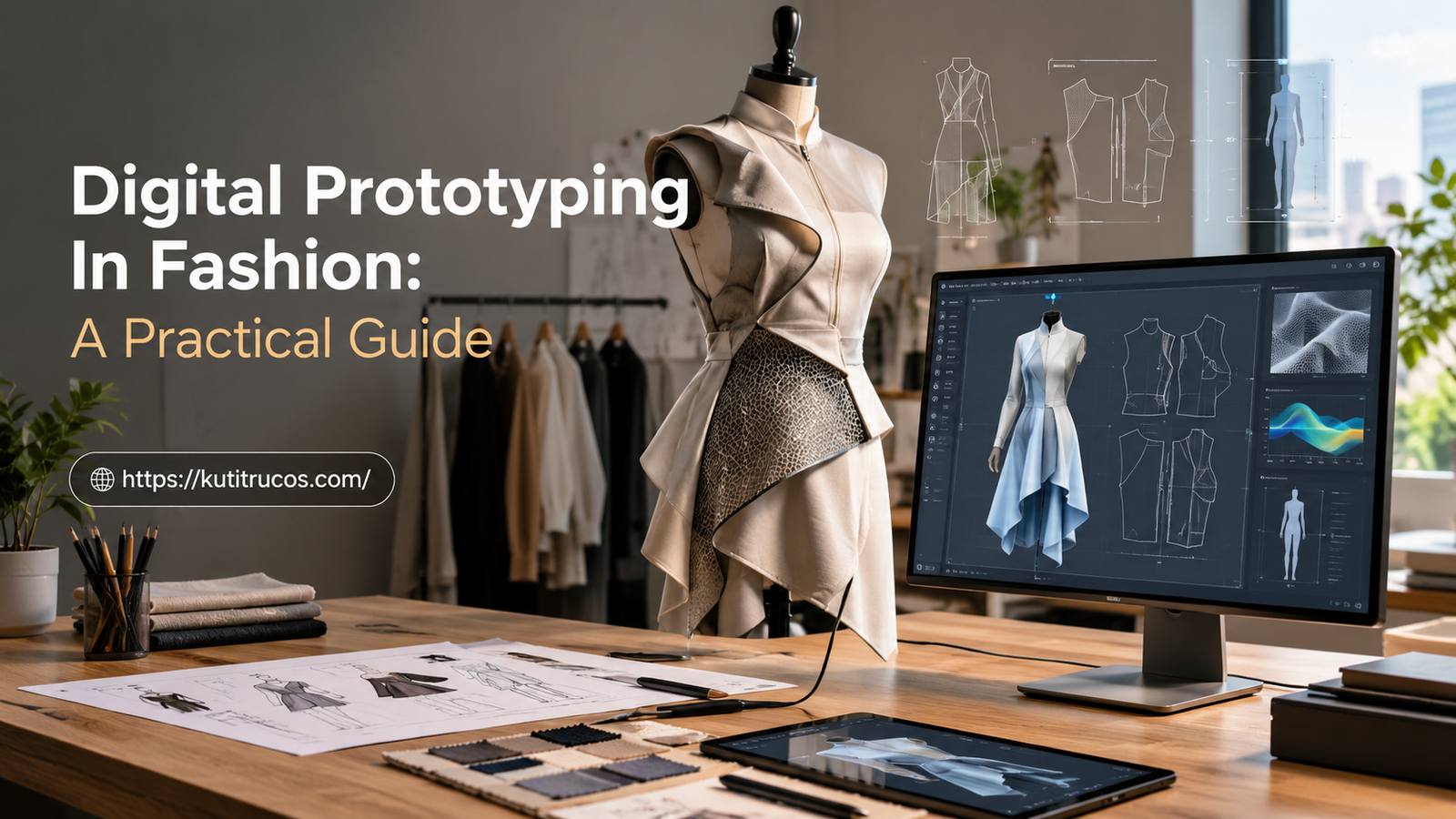
Digital prototyping is the process of creating and reviewing a garment in a digital environment before making a physical sample. A team can develop a silhouette, adjust panels and seams, test colorways, visualize prints, and place the design on a digital avatar. Platforms that support AI fashion design can also help teams explore early visual directions and organize creative references before the garment moves into detailed development.
A digital sketch is usually an early visual concept. A 3D garment prototype goes further by representing pattern pieces, garment construction, fabric behavior, and fit on an avatar. A virtual sample is the reviewable version shared with colleagues or suppliers, while a final production file contains the approved specifications needed for manufacturing. Keeping those stages distinct prevents a polished image from being mistaken for a production-ready garment.
Why Fashion Teams Are Using Digital Prototypes
Fashion development often requires feedback from people in different locations, including designers, technical designers, merchandisers, sourcing teams, factories, and buyers. A digital prototype gives those groups a common version to review earlier in the process. Instead of waiting for a sample to be cut, sewn, shipped, and returned with comments, teams can identify visible issues while the design is still easier to change.
Many garment systems use forms of cloth modeling to approximate how material drapes and responds to gravity on a digital body. The result is not a substitute for real fabric, but it can make conversations about proportion, volume, placement, and styling more specific than a flat sketch alone.
Where Digital Prototyping Fits In The Design Process
- Concept development: Convert sketches, mood boards, and written ideas into visible garment directions.
- Pattern development: Build or adjust base shapes before physical cutting begins.
- Fit review: Check length, ease, balance, and proportion on relevant digital body shapes.
- Material testing: Compare fabric appearance, texture, opacity, stretch, and print scale.
- Collection planning: View styles together to assess visual consistency across a range.
- Production handoff: Share approved visuals, measurements, comments, and revision history with partners.
How To Build A Reliable Digital Prototype
Start with a clear goal. Define the intended customer, product category, occasion, price level, and key performance expectations. Gather current measurements, reference images, pattern information, trim details, and fabric data before modeling the garment. Accurate inputs matter because an attractive digital render cannot correct inaccurate dimensions or incomplete construction notes.
Next, create the base shape and confirm the major proportions. Add seams, darts, pockets, closures, lining, panels, and other details that affect shape or fit. Apply fabric settings that approximate the intended material, then test the garment on more than one relevant size or body shape. Finally, review it with design, technical, sourcing, and production stakeholders, recording decisions before requesting a physical sample.
Fit, Size, And Body Diversity
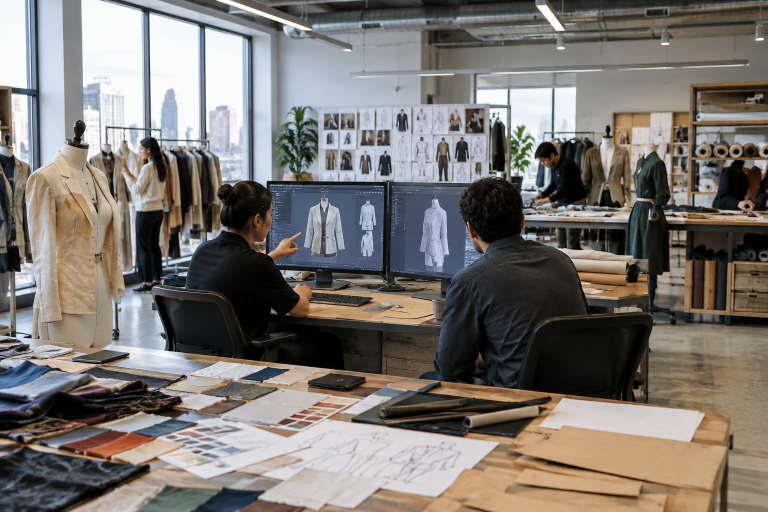
One avatar cannot represent an entire customer base. A garment that appears balanced on one body may sit differently on another because of changes in circumference, posture, shoulder slope, torso length, or body proportions. The body measurement principles used in apparel development are closely connected to body dimensions for apparel, which is why teams need dependable measurement definitions and clearly documented size rules.
Digital reviews should ask practical questions. Does the sleeve appear to restrict arm movement? Does the hem remain level? Does the neckline sit as intended? Are gathers, pleats, or stretch zones placed correctly? Digital fit can reveal issues worth investigating, but it cannot guarantee that every body, fabric, and sewing method will perform the same way in real life.
Material And Color Testing
Digital tools can make early material decisions more efficient by allowing teams to compare shine, drape, weight, texture, transparency, and print placement across several options. They can also help reveal whether a large-scale print overwhelms a small garment size or whether a contrast panel disrupts the silhouette.
Still, material settings are estimates. A fabric may look fluid on screen yet feel stiff, noisy, warm, slippery, or heavy when handled. Confirm important choices with physical swatches and construction tests, especially when the garment depends on stretch recovery, bonding, coatings, embellishment, or performance features.
Using Digital Prototypes For Team Reviews
A shared prototype works best when everyone reviews the same labeled version. It gives teams a clearer basis for discussion than scattered screenshots, old attachments, and informal notes. Each review should confirm:
- Whether the silhouette and key details are clear.
- Whether the garment matches the intended customer and price point.
- Whether fit appears consistent across the target size range.
- Whether the material settings are close enough for the decision being made.
- Whether revisions, owners, dates, and approvals are recorded.
Digital Prototyping And Sustainability
Reducing unnecessary early samples can reduce the fabric, packaging, shipping, and disposal associated with repeated prototype rounds. However, digital prototyping alone does not make a collection sustainable. The broader outcome still depends on material sourcing, production volumes, manufacturing practices, product durability, consumer use, and end-of-life planning.
The practical benefit is better decision timing. When teams resolve obvious design or fit questions before physical sampling, they can reserve physical prototypes for the questions that genuinely require them.
Common Mistakes To Avoid
- Using outdated measurements or incomplete body data.
- Applying fabric settings without checking real material samples.
- Reviewing only one size or one body shape.
- Prioritizing a photorealistic image over construction accuracy.
- Failing to label versions and document changes.
- Assuming digital fit guarantees physical fit.
- Leaving technical designers and manufacturers out of early reviews.
When A Physical Sample Is Still Necessary
Physical samples remain necessary for garments with complex structure, unusual materials, sensitive fit areas, heavy embellishment, safety requirements, or demanding performance needs. They are also important for evaluating hand feel, stitch quality, seam strength, color accuracy, comfort, and how a garment behaves in motion.
How To Measure Success
Track outcomes that matter to the team: physical samples per style, time spent on revisions, shipping days, fit issues found before production, prototype material use, and time from design approval to production handoff. Begin with one product category, compare the results with the existing workflow, and refine the process before expanding it across a full collection.
Conclusion
Digital prototyping gives fashion teams a practical way to test ideas, review fit, compare materials, and coordinate decisions earlier. Its purpose is not to replace craftsmanship or eliminate physical testing. The strongest workflow uses digital prototypes to remove avoidable problems, then uses focused physical samples to confirm the qualities that a screen cannot fully show.

