

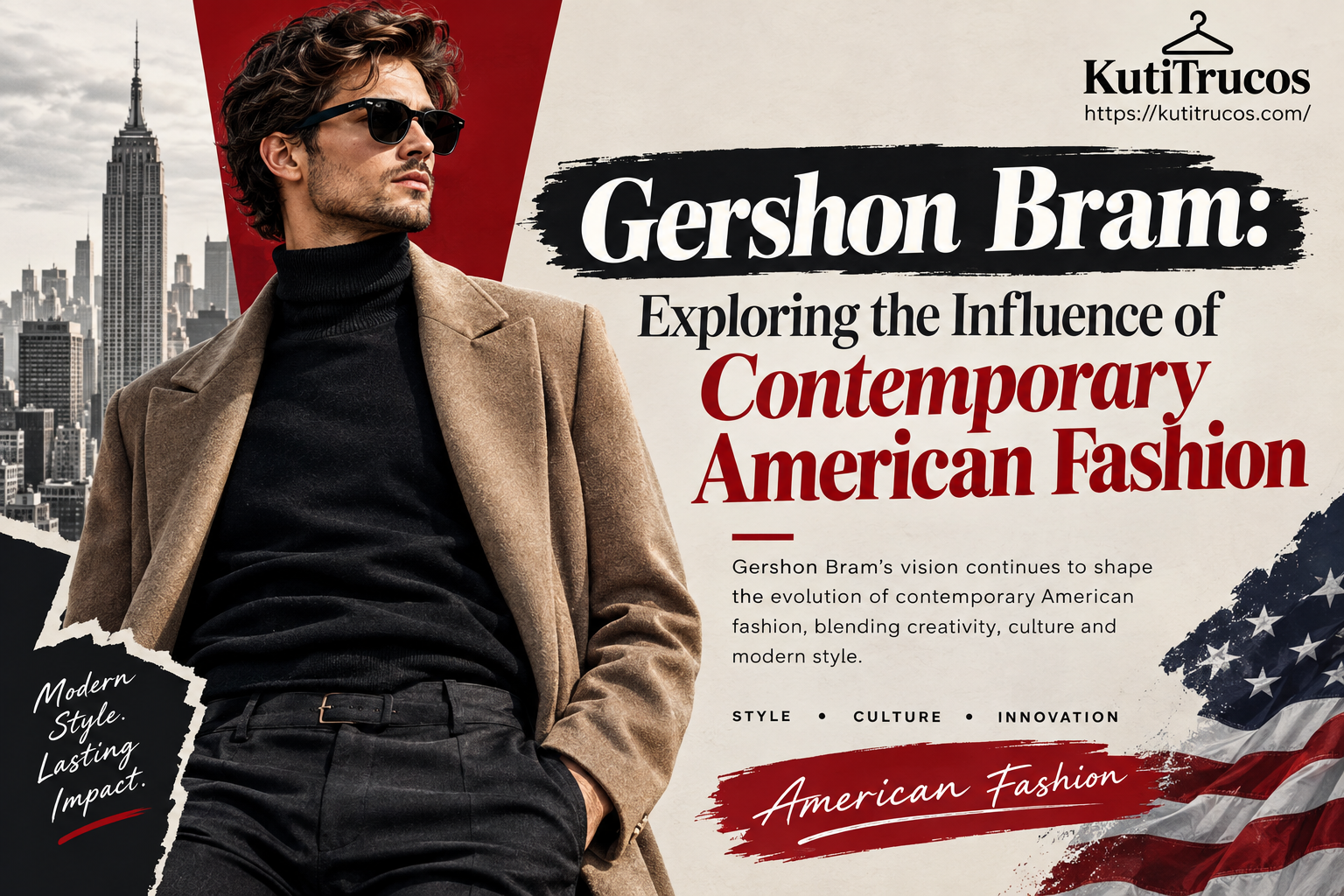
Gershon Bram and the Changing Landscape of American Style
Fashion is more than clothing. It is a form of visual communication shaped by culture, creativity, craftsmanship, lifestyle, and individual identity. Across the United States, fashion has developed through a mixture of classic traditions and constantly changing contemporary influences.
The name Gershon Bram can be explored within this wider discussion of fashion, design, and personal style. However, a name alone does not provide enough reliable information to attribute a specific fashion collection, brand history, or design philosophy to an individual. Rather than creating unsupported claims, it is more useful to examine the broader fashion ideas connected with contemporary American style.
American fashion is particularly interesting because it does not have one fixed identity. New York sophistication, California casualwear, Southern influences, urban streetwear, traditional tailoring, sportswear, and vintage aesthetics all contribute to the country’s diverse fashion culture.
The Evolution of American Fashion
American fashion has undergone significant changes over the past century.
Clothing that was originally created for practical purposes eventually became part of mainstream style. Denim, workwear, athletic clothing, military-inspired garments, and casual basics all moved from functional environments into everyday wardrobes.
From Practical Clothing to Fashion Statements
Denim is one of the clearest examples.
Originally associated with durability and workwear, jeans eventually became an essential part of American culture. They can now be found in casual, smart-casual, streetwear, and even fashion-forward outfits.
The same transformation happened with sneakers, hoodies, bomber jackets, and other practical garments.
This ability to reinterpret functional clothing is an important characteristic of American fashion.
Individuality in Modern American Style
One of the strongest characteristics of contemporary fashion is individuality.
People increasingly use clothing to communicate their personality rather than simply follow traditional dress codes.
Someone might prefer minimalist clothing with neutral colors, while another person may choose bright prints, oversized silhouettes, or vintage-inspired garments.
Developing a Personal Fashion Identity
Personal style usually develops gradually.
A person may discover that they consistently prefer particular colors, fabrics, silhouettes, or accessories.
Over time, these choices become recognizable elements of their wardrobe.
This approach can be more sustainable and practical than purchasing every trend that appears on social media.
The Importance of Fit
Regardless of the designer, retailer, or fashion trend involved, fit remains one of the most important aspects of clothing.
A well-designed garment can look completely different depending on how it fits the wearer.
Modern American fashion includes many silhouettes, including slim, straight, relaxed, oversized, cropped, and tailored designs.
Choosing the Right Silhouette
The best silhouette depends on personal preference, body proportions, and lifestyle.
Slim clothing can create a clean and structured appearance.
Relaxed clothing can provide greater comfort and a contemporary casual aesthetic.
Oversized pieces can create dramatic proportions when balanced correctly with other garments.
There is no universally correct silhouette.
The important factor is creating proportions that feel intentional.
American Fashion and the Influence of New York
New York remains one of the most important fashion cities in the United States.
The city’s creative environment brings together designers, models, photographers, stylists, artists, retailers, and consumers.
Its fashion culture is often associated with experimentation and practicality.
Urban Dressing
New York clothing needs to work in a fast-moving environment.
People walk, commute, work, socialize, and attend events throughout the same day.
This encourages versatile clothing.
A tailored jacket can be worn with denim. A simple dress can be paired with sneakers. A sweater can be layered underneath a structured coat.
The result is a style that combines sophistication with everyday practicality.
California’s Contribution to American Fashion
California offers a different perspective.
The state’s relatively relaxed lifestyle has influenced American casualwear, sportswear, denim, and outdoor-inspired fashion.
Relaxed West Coast Style
California-inspired fashion often emphasizes comfort and ease.
T-shirts, relaxed trousers, sneakers, denim jackets, lightweight shirts, and casual dresses can all become part of this aesthetic.
However, modern West Coast fashion is not limited to basic casual clothing.
Contemporary consumers frequently combine relaxed pieces with premium accessories or tailored garments.
The Role of Color
Color is one of the easiest ways to transform an outfit.
Neutral shades provide versatility, while brighter colors can introduce personality.
Building a Balanced Color Palette
A wardrobe does not need to contain dozens of colors.
Black, white, gray, navy, beige, brown, and denim can form a reliable foundation.
Statement colors can then be introduced through jackets, sweaters, shoes, handbags, scarves, or other accessories.
This makes experimentation easier without requiring a complete wardrobe change.
Fashion Across the Seasons
America’s diverse climate means seasonal fashion varies significantly from one region to another.
Spring Style
Spring encourages transitional layering.
Light jackets, cotton shirts, cardigans, trousers, skirts, and lightweight denim can provide flexibility when temperatures change.
Summer Fashion
Summer clothing generally emphasizes breathability and comfort.
Linen, cotton, lightweight dresses, shorts, relaxed shirts, and comfortable footwear are useful in warmer conditions.
Accessories such as sunglasses and lightweight bags can complete the look.
Fall Fashion
Fall is especially popular among fashion enthusiasts because it creates opportunities for layering.
Sweaters, boots, jackets, denim, scarves, and coats can be combined to create depth and texture.
Earth tones and deeper colors can also introduce a seasonal character.
Winter Dressing
Winter requires a stronger focus on warmth.
Long coats, wool layers, knitwear, boots, scarves, and insulated outerwear become important.
Good winter styling combines practical protection with balanced proportions.
Quality Over Short-Term Trends
Fashion trends can change rapidly.
One season may emphasize slim silhouettes, while another may celebrate wide-leg trousers or oversized clothing.
Instead of rebuilding an entire wardrobe every time trends change, consumers can invest in versatile pieces.
The Value of Timeless Garments
Classic garments can remain useful for years.
A well-fitting blazer, quality denim, simple shirt, neutral sweater, leather shoes, or versatile coat can work with numerous outfits.
These pieces provide a foundation for experimenting with newer trends.
The Relationship Between Fashion and Lifestyle
Clothing should reflect how a person actually lives.
Someone who spends most of the day in an office may require structured clothing.
A person working remotely may prioritize comfort.
Travelers may prefer lightweight and adaptable garments.
Someone involved in creative work may have more freedom to experiment.
Practical Fashion Can Still Be Stylish
There is no conflict between comfort and good style.
Sneakers can be fashionable. Relaxed trousers can look sophisticated. Functional jackets can become statement pieces.
The key is coordination.
Color, fit, proportion, and accessories can make even simple clothing appear carefully considered.
Sustainable Thinking in Modern Fashion
Sustainability is becoming increasingly important in the American clothing industry.
Consumers are asking more questions about materials, production, durability, and waste.
One practical approach is to buy fewer pieces that can be worn more frequently.
Creating a More Responsible Wardrobe
Before purchasing a new garment, consumers can consider whether it works with clothing they already own.
A versatile piece that can create several different outfits may provide greater long-term value than an item suitable for only one occasion.
Proper clothing care can also extend the useful life of garments.
Social Media and the Future of Fashion
Digital platforms have transformed fashion discovery.
People can see runway collections, street style, celebrity outfits, independent designers, and emerging trends almost instantly.
This has made fashion more democratic.
Consumers are no longer dependent exclusively on traditional magazines or fashion institutions for inspiration.
Inspiration Without Imitation
Social media can provide valuable inspiration, but personal interpretation remains important.
Instead of copying an entire outfit, consumers can identify a single element they like.
It could be a color combination, jacket silhouette, footwear choice, or layering technique.
That element can then be adapted to an individual’s existing wardrobe.
The Future of American Style
American fashion will likely continue becoming more flexible.
Traditional categories such as formalwear, casualwear, sportswear, and streetwear are increasingly overlapping.
A single outfit may combine pieces from several categories.
Technology will also influence the industry through online shopping, digital styling, personalized recommendations, artificial intelligence, and new manufacturing techniques.
At the same time, fundamental fashion principles will remain important.
Fit, quality, comfort, versatility, and personal expression are unlikely to disappear.
Final Thoughts
Gershon Bram can serve as a starting point for exploring the broader evolution of contemporary American fashion, but a person’s name should not be used to create unsupported claims about a specific designer, brand, or fashion history.
The larger American fashion story is one of diversity and constant reinvention. From New York’s urban sophistication to California’s relaxed aesthetic, different regions and communities continue to influence how Americans dress.
Modern fashion increasingly values individuality. Consumers can combine classic garments with contemporary trends, experiment with colors and silhouettes, and create wardrobes that reflect their lifestyles.
Quality and versatility also remain important. Rather than relying entirely on short-lived trends, consumers can build strong wardrobes around dependable pieces and introduce current influences through accessories, colors, footwear, and seasonal garments.
Sustainability adds another dimension to this changing industry. Buying thoughtfully, caring for clothing, and choosing pieces that can be worn repeatedly can help create a more practical relationship with fashion.
Ultimately, American fashion is not defined by one designer, one city, or one trend. It is an evolving combination of creativity, practicality, cultural influence, and individual expression. That flexibility is what makes contemporary American style so influential-and ensures that fashion will continue changing while remaining deeply connected to everyday life.

