

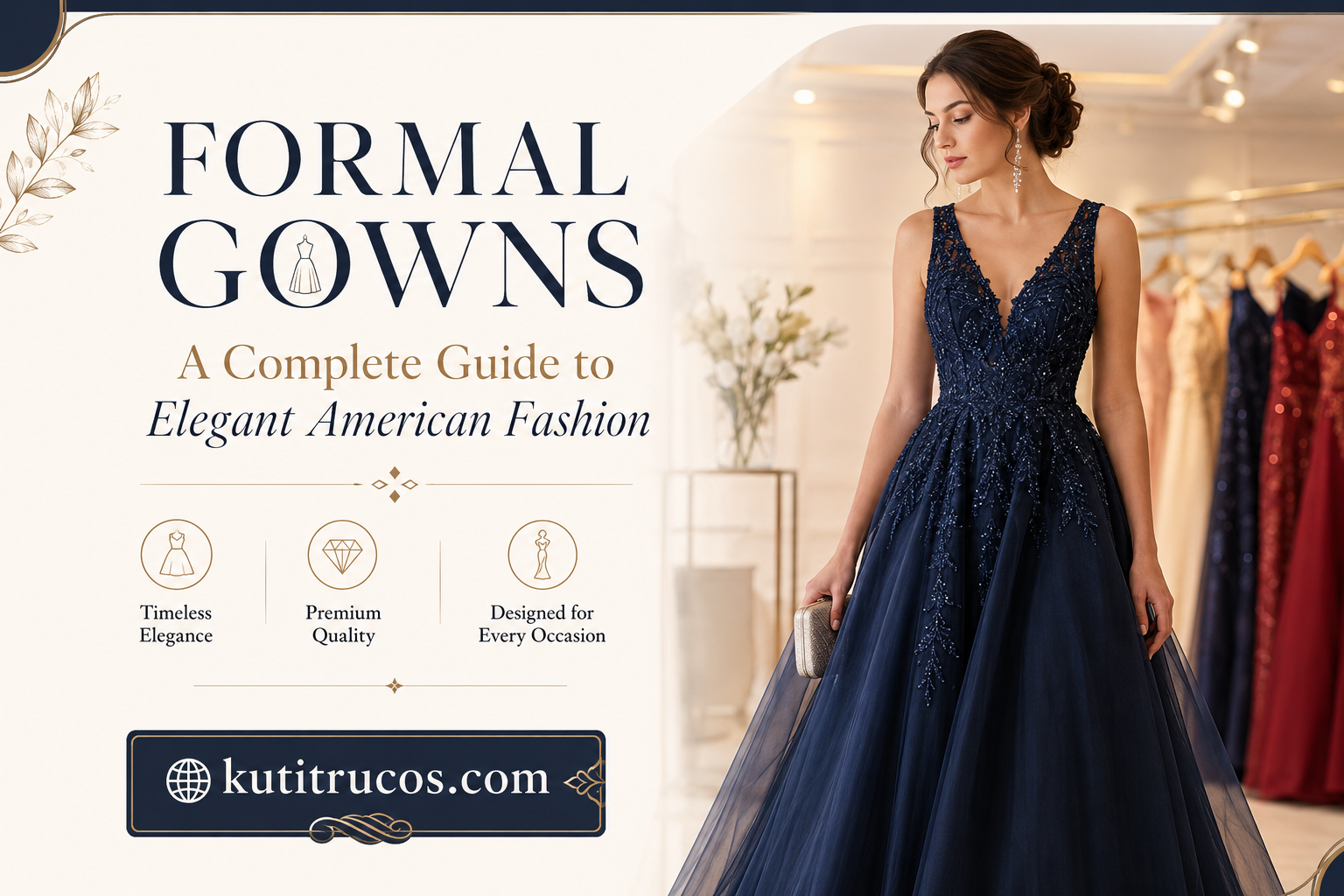
Formal gowns have remained one of the most recognizable forms of elegant fashion in the United States. From glamorous evening celebrations and charity galas to weddings, award ceremonies, formal dinners, and sophisticated social events, a well-designed gown can transform the way a person looks and feels. While fashion trends continue to change, the fundamental appeal of a formal gown remains connected to confidence, elegance, individuality, and occasion-appropriate dressing.
American fashion has always combined traditional influences with modern creativity. Today’s formal gowns reflect that balance through contemporary silhouettes, innovative fabrics, subtle details, dramatic designs, and personalized styling. Instead of following one strict definition of elegance, modern American fashion allows women to choose gowns that suit their personality, event, body shape, and preferred level of glamour.
What Makes a Gown Formal?
A formal gown is generally a sophisticated, full-length or highly polished dress intended for occasions with an elevated dress code. Unlike everyday dresses, formal gowns often feature refined fabrics, structured silhouettes, detailed construction, or decorative elements.
Common materials include satin, silk, chiffon, velvet, lace, tulle, crepe, and embellished fabrics. Depending on the design, a gown can appear minimalist and sophisticated or dramatic and luxurious.
The occasion usually determines how formal the gown should be. A black-tie event may call for a floor-length gown, while a formal wedding or evening reception may allow greater flexibility in length, color, and silhouette.
Formal Gowns vs. Evening Dresses
The terms “formal gown” and “evening dress” are sometimes used interchangeably, but they can describe slightly different styles.
A formal gown generally suggests a more elevated, sophisticated appearance, often involving a longer silhouette and luxurious materials. An evening dress can be somewhat more flexible and may include cocktail-length or midi designs.
Understanding the event’s dress code is therefore essential before choosing an outfit.
The Evolution of Formal Gowns in American Fashion
Formal fashion in the United States has changed significantly over the decades. Earlier generations often associated formal occasions with structured silhouettes, elaborate decoration, gloves, and traditional eveningwear.
Modern fashion has become much more flexible.
Contemporary gowns can be fitted, flowing, minimalist, asymmetrical, off-the-shoulder, backless, or dramatically voluminous. Designers increasingly experiment with fabrics and construction techniques to create distinctive silhouettes.
At the same time, classic styles remain popular.
The little black dress may have influenced shorter eveningwear, but long black gowns continue to represent timeless sophistication. Similarly, satin, lace, and velvet remain popular because they provide a sense of luxury that works across generations.
This combination of innovation and tradition is one of the defining characteristics of American formal fashion.
Choosing the Right Silhouette
The silhouette of a gown has a major impact on its overall appearance. Different designs create different visual effects, and the best choice depends on personal preference and comfort.
A-Line Gowns
A-line gowns gradually widen from the waist toward the floor, creating an elegant and balanced silhouette. They are versatile and can work for weddings, galas, formal dinners, and other sophisticated events.
The shape provides movement while maintaining a polished appearance, making it a reliable option for people who prefer classic fashion.
Mermaid Gowns
Mermaid gowns closely follow the body before becoming wider around the lower portion of the dress. The result is a dramatic silhouette that emphasizes the shape of the gown.
This style is particularly popular for glamorous evening events and formal celebrations.
Because the silhouette can be more fitted, comfort and proper sizing are important considerations.
Ball Gowns
They are strongly associated with traditional formalwear and can create a memorable entrance.
These gowns are especially suitable for events where glamorous dressing is expected.
Sheath Gowns
Sheath gowns generally follow a narrow, streamlined silhouette. Their simplicity can create an elegant and modern appearance.
Minimalist sheath gowns are particularly effective when the fabric and tailoring are allowed to become the focus.
Selecting the Right Fabric
Fabric can completely change the personality of a formal gown.
Satin
Satin has a smooth surface and distinctive sheen, making it a popular choice for sophisticated eveningwear. It can create a luxurious appearance without requiring extensive embellishment.
Chiffon
Chiffon is lightweight and flowing. It can create movement and softness, making it particularly attractive for weddings and romantic formal occasions.
Velvet
Velvet is especially associated with colder seasons. Its rich texture can give a gown a luxurious and dramatic appearance.
Lace
Lace adds texture and visual detail. It can create anything from a romantic bridal-inspired appearance to an elegant evening look depending on how it is incorporated.
Tulle
Tulle is lightweight and often associated with volume and movement. It can be used for skirts, sleeves, overlays, and decorative details.
The best fabric depends on the season, venue, dress code, and desired aesthetic.
Choosing Colors for Formal Gowns
Color is one of the most personal elements of formal fashion.
Black remains one of the most reliable choices because it is sophisticated and versatile. Emerald, burgundy, sapphire, plum, and other rich colors can create a more distinctive look.
Pastel shades may work beautifully for spring and summer celebrations, while deeper colors often feel appropriate during fall and winter.
Metallic shades such as gold and silver can provide additional glamour for evening events.
The important consideration is not simply whether a color is fashionable but whether it complements the wearer’s preferences, complexion, accessories, and event.
Formal Gowns for Weddings
Weddings are among the most common occasions for formal gowns.
For guests, the ideal gown should respect the wedding’s dress code while allowing individual style to shine. The venue and time of day can provide useful guidance.
A daytime outdoor wedding may call for a lighter fabric and softer color, while an evening ballroom celebration may be more suitable for a floor-length gown in a rich shade.
Guests should also consider cultural expectations and the couple’s stated dress code. In particular, guests should avoid wearing white or colors that could conflict with the bridal party when the invitation specifies restrictions.
Black-Tie Events and Galas
Black-tie occasions generally provide an opportunity for more glamorous fashion.
Floor-length gowns, sophisticated jewelry, elegant heels, and refined evening bags can create a polished ensemble.
However, glamour does not necessarily mean excessive decoration.
A simple black gown with exceptional tailoring can be just as striking as a heavily embellished design. In many cases, the difference comes from fit, fabric quality, posture, and styling.
For gala events, the venue itself can also provide inspiration. A formal hotel ballroom may encourage a different aesthetic from an elegant outdoor charity event.
Formal Gowns for Prom and Special Celebrations
Prom and other milestone events are important parts of American fashion culture. These occasions allow young women to experiment with silhouettes, colors, textures, and trends.
Prom gowns may feature sequins, dramatic skirts, fitted designs, satin finishes, beading, or unusual colors.
While current trends can be inspiring, comfort should remain a priority. A gown that looks beautiful but is difficult to walk, sit, or dance in can quickly become impractical.
Choosing a style that reflects personal taste is often more rewarding than selecting a dress simply because it is popular.
How to Style a Formal Gown
Accessories should enhance a gown rather than overwhelm it.
Jewelry
Statement earrings can work beautifully with gowns featuring simple necklines. If the dress already contains heavy embellishment, delicate jewelry may create better balance.
Shoes
Heels remain a classic choice for formal gowns, but comfort matters. The shoes should complement the length and silhouette of the dress while allowing the wearer to move confidently.
Handbags
Small evening bags and clutches are practical choices. Neutral metallics, black, nude, or colors that coordinate with the gown can complete the ensemble.
Outerwear
For colder American climates, a sophisticated coat, shawl, wrap, or tailored evening jacket can provide warmth without disrupting the overall appearance.
Dressing for Different American Seasons
The United States includes a wide variety of climates, so formal fashion must adapt accordingly.
Spring events often favor lighter colors, floral influences, chiffon, and flowing silhouettes. Summer celebrations may benefit from breathable fabrics and lighter construction.
Fall creates opportunities for deeper shades such as burgundy, emerald, navy, and chocolate tones. Velvet and heavier materials can add warmth.
Winter formalwear often embraces richer fabrics, darker colors, metallic details, and elegant outer layers.
The same basic gown can sometimes be adapted for different seasons through accessories and layering.
The Importance of Fit
Even the most expensive formal gown will not look its best if it does not fit properly.
A well-fitted gown should allow comfortable movement while maintaining the intended silhouette. Length is especially important with floor-length dresses because the hem should work with the chosen footwear.
Professional alterations can make a major difference. Small adjustments to the waist, neckline, straps, sleeves, or hem can transform the appearance of a gown.
Fit should therefore be considered part of the fashion investment rather than an optional finishing touch.
Sustainable Choices in Formal Fashion
Sustainability is becoming increasingly relevant to American fashion consumers.
Formal gowns are particularly suitable for a more thoughtful approach because they are often worn less frequently than everyday clothing. Purchasing a timeless design that can be worn for multiple events may provide greater value than choosing an extremely trend-driven gown.
Another option is renting formalwear or purchasing pre-owned gowns. These approaches can extend the useful life of garments and reduce the demand for one-time purchases.
Classic silhouettes, durable fabrics, and versatile colors can also make a gown more wearable over time.
The Future of Formal Gown Fashion
Formalwear continues to evolve alongside broader fashion trends.
Designers are experimenting with unconventional silhouettes, sustainable materials, modern tailoring, minimalist construction, and new approaches to traditional eveningwear.
At the same time, classic gowns remain relevant because elegance does not depend entirely on trends.
The future of American formal fashion will likely involve greater personalization. Consumers want clothing that reflects their identity rather than simply copying a runway look.
This means formal gowns may increasingly combine traditional elegance with individual styling choices.
Final Thoughts
Formal gowns remain an important part of American fashion because they give people an opportunity to celebrate significant moments through personal style. Whether the occasion is a wedding, gala, black-tie celebration, prom, formal dinner, or milestone event, the right gown can create a confident and memorable appearance.
The ideal formal gown is not necessarily the most expensive, elaborate, or trend-driven option. It is the one that fits well, suits the occasion, complements the wearer, and allows genuine confidence.
From classic black gowns and elegant A-line silhouettes to dramatic mermaid designs and flowing chiffon dresses, today’s American fashion landscape offers enormous variety.
The most successful approach is to balance occasion, comfort, fit, color, fabric, and personality. When these elements work together, a formal gown becomes more than an elegant piece of clothing-it becomes part of the memory associated with an important moment.
Ultimately, formal fashion is about expressing yourself when the occasion deserves something special. Trends may change, but the desire to feel elegant, confident, and beautifully dressed will always remain timeless.

