

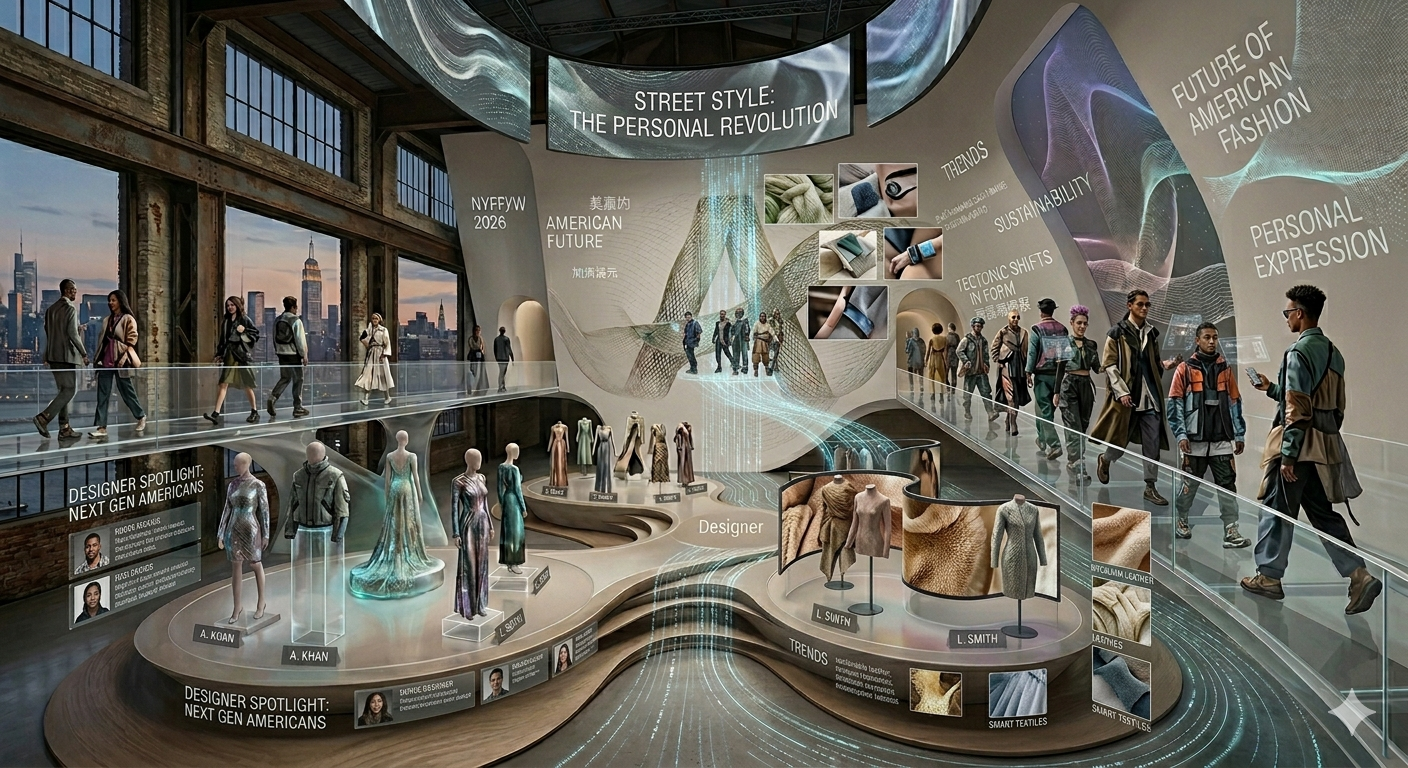
Introduction
New York Fashion Week 2026 is more than a series of runway shows-it is one of the biggest cultural and business events shaping the global fashion industry. Every year, designers, retailers, influencers, buyers, celebrities, journalists, and fashion enthusiasts gather to witness collections that influence what millions of people will wear in upcoming seasons.
Fashion weeks have evolved dramatically during the past decade. Today, they are no longer exclusive industry events limited to editors and buyers. Through livestreaming, social media, creator culture, digital commerce, and AI-driven personalization, fashion shows now influence global audiences in real time.
As one of the most important fashion capitals in the world, New York continues to define how luxury, streetwear, technology, sustainability, and consumer behavior intersect.
This complete guide explores New York Fashion Week 2026, including emerging trends, designer strategies, technological innovation, street style culture, economic impact, and what the event means for the future of fashion in America.
What Is New York Fashion Week?
New York Fashion Week (NYFW) is a major fashion event where designers present upcoming collections to industry professionals, media outlets, retailers, and consumers.
The event traditionally includes:
- Runway presentations
- Designer showcases
- Brand activations
- Celebrity appearances
- Industry networking events
- Digital fashion experiences
Fashion brands use NYFW to introduce upcoming seasonal collections while shaping consumer demand months before products appear in stores.
Why New York Fashion Week Matters
Fashion weeks influence much more than clothing.
They impact:
- Retail buying decisions
- Global trend forecasting
- Consumer purchasing behavior
- Social media engagement
- Luxury marketing campaigns
- Beauty and lifestyle industries
A single successful runway presentation can create massive commercial opportunities for designers and brands.
Major Themes Defining New York Fashion Week 2026
Fashion constantly evolves, and 2026 highlights several major themes.
Sustainability Moves From Trend to Standard
Consumers increasingly expect brands to prioritize responsible production.
Designers are emphasizing:
- Recycled materials
- Reduced waste production
- Circular fashion systems
- Longer product life cycles
- Ethical sourcing practices
Sustainability is becoming integrated into business models rather than treated as a marketing language.
Technology Becomes Part of Fashion Design
Technology influences nearly every part of modern fashion.
Designers increasingly use:
- AI-assisted design tools
- Digital prototyping
- Virtual fitting systems
- Smart fabrics
- Interactive retail experiences
Technology is helping fashion become faster, more personalized, and more efficient.
Comfort Continues To Shape Luxury
Consumers increasingly prefer clothing that balances appearance and practicality.
Popular categories include:
- Relaxed tailoring
- Elevated basics
- Luxury casualwear
- Comfortable structured silhouettes
Fashion is shifting toward functionality without sacrificing aesthetics.
Gender-Neutral Design Expands Further
Many collections continue exploring fluid silhouettes and broader sizing systems.
Brands are focusing more on:
- Inclusive sizing
- Flexible styling options
- Unisex collections
- Reduced gender segmentation
This reflects broader shifts in consumer expectations.
Designer Strategies at NYFW 2026
Fashion brands are approaching runway presentations differently compared with previous years.
Experience-Based Presentations
Brands increasingly focus on creating memorable experiences.
Instead of traditional runway-only shows, presentations may include:
- Immersive environments
- Interactive installations
- Digital storytelling
- Live audience participation
Experience-driven marketing generates stronger engagement online.
Smaller Collections With Higher Impact
Many brands are reducing excessive product volume.
Benefits include:
- Lower production costs
- Stronger product focus
- Better sustainability outcomes
- Clearer consumer messaging
Direct-to-Consumer Integration
Fashion companies increasingly connect runway events directly with shopping experiences.
Consumers now expect:
- Instant access to products
- Faster release cycles
- Digital purchasing options
Street Style Culture and Its Influence
Street style has become almost as influential as runway fashion itself.
Outside venues, photographers capture:
- Influencers
- Buyers
- Editors
- Creators
- Celebrities
Street style matters because it reflects how consumers actually wear fashion.
Popular 2026 street style themes include:
- Minimal luxury aesthetics
- Vintage inspiration
- Oversized tailoring
- Layered accessories
- Athletic influences
Social platforms amplify these looks globally within minutes.
Celebrity Influence at New York Fashion Week
Celebrities continue shaping fashion conversations.
Their impact includes:
- Brand visibility
- Viral marketing moments
- Social engagement
- Luxury product demand
Celebrity partnerships have become essential marketing tools rather than optional additions.
Digital Fashion and Virtual Experiences
Fashion increasingly exists beyond physical clothing.
Digital fashion includes:
- Virtual clothing collections
- Gaming integrations
- AR experiences
- Virtual showrooms
- Digital accessories
As younger audiences spend more time online, digital fashion becomes increasingly valuable.
The Business Side of Fashion Week
Fashion week is also a major economic engine.
The event supports:
- Hotels
- Restaurants
- Transportation
- Retail businesses
- Production companies
- Media organizations
Large-scale fashion events generate significant spending and employment opportunities.
Fashion Buyers and Retail Influence
Retail buyers attend shows to determine future inventory strategies.
They evaluate:
- Commercial viability
- Trend potential
- Consumer demand forecasts
- Pricing strategies
Runway success alone does not guarantee commercial success.
Products must also perform in retail environments.
Emerging Designers Gain More Visibility
One important aspect of NYFW is the opportunity for smaller brands.
Emerging designers benefit from:
- Media exposure
- Investor interest
- Retail partnerships
- Consumer awareness
Digital platforms have made it easier for new brands to compete with established labels.
Beauty Trends Emerging From NYFW 2026
Fashion week influences beauty trends almost as strongly as clothing.
Major beauty directions include:
- Natural skin finishes
- Minimal makeup aesthetics
- Bold eye details
- Sculptural hairstyles
- Personalized beauty looks
Beauty and fashion industries increasingly overlap.
Technology and AI Reshaping Fashion
Artificial intelligence now affects multiple parts of fashion production.
Examples include:
- Trend forecasting
- Inventory planning
- Personalized recommendations
- Design generation
- Consumer analytics
AI is becoming a major competitive advantage.
Challenges Facing Fashion Industry in 2026
Despite growth, fashion faces major obstacles.
Supply Chain Complexity
Global manufacturing remains complicated.
Sustainability Pressure
Consumers expect measurable environmental improvements.
Fast-Changing Consumer Behavior
Trend cycles continue accelerating.
Rising Production Costs
Materials and labor costs continue increasing.
Future of New York Fashion Week
The future of fashion week will likely include:
- Hybrid physical and digital shows
- Increased personalization
- More sustainability requirements
- AI-powered experiences
- Interactive commerce integration
Fashion weeks are evolving from industry gatherings into global entertainment ecosystems.
Why New York Fashion Week Remains Important
Despite changes in retail and technology, NYFW remains important because it:
- Creates trends
- Builds brands
- Drives retail decisions
- Generates media attention
- Shapes consumer culture
Its influence extends far beyond runways.
Conclusion
New York Fashion Week 2026 represents the intersection of creativity, business, technology, and culture. Fashion is no longer limited to clothing-it now includes digital experiences, sustainability initiatives, AI-powered personalization, and global online communities.
As consumer expectations continue evolving, designers and brands must adapt to new technologies while maintaining creativity and authenticity.
For the United States fashion industry, NYFW remains one of the strongest indicators of where style, commerce, and innovation are heading next.
The future of fashion is not simply about what people wear-it is about how technology, culture, and identity shape the entire experience.
Frequently Asked Questions
What is New York Fashion Week?
New York Fashion Week is a major fashion event where designers showcase upcoming collections.
Why is NYFW important?
It influences trends, retail strategies, and global fashion culture.
What trends define NYFW 2026?
Sustainability, technology integration, comfort-focused luxury, and digital fashion.
Does New York Fashion Week affect everyday fashion?
Yes. Retail brands often adapt runway trends into consumer products.
Is fashion week becoming digital?
Yes. Hybrid physical and digital experiences continue expanding rapidly.

