

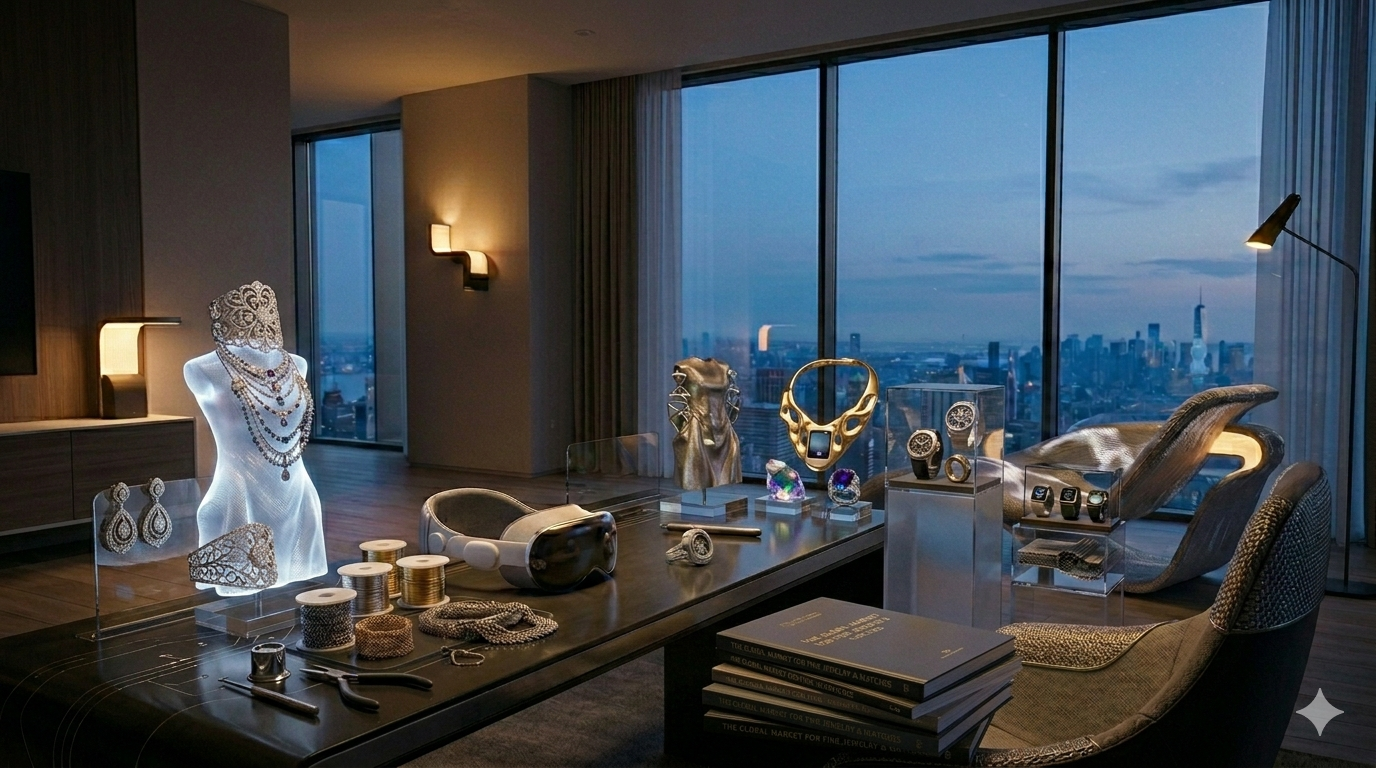
Introduction
Luxury jewelry represents the highest level of craftsmanship, exclusivity, and artistic expression in the global fashion industry. It is more than just decorative adornment-it is a symbol of status, heritage, identity, and personal taste. From diamond-studded necklaces to handcrafted gold bracelets and rare gemstone rings, luxury jewelry continues to define elegance across generations.
In today’s global marketplace, especially in the United States, luxury jewelry plays a major role in fashion culture, investment trends, and lifestyle branding. High-net-worth individuals, celebrities, and fashion-conscious consumers see luxury jewelry not only as a fashion statement but also as a long-term asset.
Modern luxury jewelry combines traditional craftsmanship with advanced technology, sustainable sourcing, and innovative design techniques. This evolution has reshaped how jewelry is created, marketed, and valued in the 21st century.
This article explores luxury jewelry in depth, including its history, types, materials, design techniques, market trends, investment value, and future innovations shaping the global luxury industry.
What Is Luxury Jewelry?
Luxury jewelry refers to high-end, premium-quality jewelry made using rare materials, expert craftsmanship, and exclusive design concepts. These pieces are typically created by renowned brands or skilled artisans and are often produced in limited quantities.
Luxury jewelry is defined by:
- Rare gemstones like diamonds, emeralds, rubies, and sapphires
- High craftsmanship and detailed finishing
- Exclusive and limited designs
- Strong brand reputation
Unlike mass-market jewelry, luxury jewelry focuses on uniqueness, heritage, and artistic excellence.
History of Luxury Jewelry
Luxury jewelry has a long and rich history that dates back thousands of years.
Ancient Civilizations
In ancient Egypt, Mesopotamia, and India, jewelry was worn by royalty and elites to symbolize power and divinity. Gold and gemstones were considered sacred materials.
Classical and Medieval Eras
During Greek, Roman, and medieval times, jewelry became a sign of wealth and social status. Kings and queens wore elaborate crowns, rings, and necklaces.
Contemporary Era
Today, luxury jewelry blends tradition with modern innovation, including digital design tools and sustainable materials.
Types of Luxury Jewelry
Luxury jewelry comes in various forms, each with unique characteristics.
1. Diamond Jewelry
Diamond jewelry is the most iconic category in luxury markets.
Includes:
- Diamond rings
- Necklaces
- Earrings
- Bracelets
Diamonds symbolize purity, strength, and eternal beauty.
2. Gold Jewelry
Gold remains a timeless luxury material.
Types include:
- Yellow gold
- White gold
- Rose gold
Gold jewelry is valued for both beauty and investment potential.
3. Platinum Jewelry
Platinum is rare, durable, and highly valuable.
Features:
- Hypoallergenic
- Long-lasting shine
- Premium exclusivity
4. Gemstone Jewelry
Luxury gemstone jewelry includes:
- Emerald jewelry
- Ruby collections
- Sapphire designs
Each gemstone carries cultural and symbolic meaning.
5. Custom Luxury Jewelry
Custom-designed pieces allow personalization through:
- Engraving
- Unique gemstone selection
- Personalized design concepts
6. High Jewelry (Haute Joaillerie)
This is the highest level of luxury jewelry, often created by elite fashion houses.
Features:
- Rare stones
- Artistic design
- Extremely limited production
Materials Used in Luxury Jewelry
Luxury jewelry relies on rare and high-quality materials.
Precious Metals
- Gold (24K, 18K, 14K)
- Platinum
- Sterling silver
Gemstones
- Diamonds
- Emeralds
- Rubies
- Sapphires
- Pearls
Rare Materials
- Exotic stones
- Colored diamonds
- Meteorite fragments (in experimental designs)
Craftsmanship in Luxury Jewelry
Craftsmanship is the heart of luxury jewelry design.
Handcrafted Techniques
Artisans spend hours or even months creating a single piece.
Stone Setting
Precise placement of gemstones enhances brilliance and durability.
Engraving
Detailed patterns are carved into metal surfaces.
Polishing and Finishing
Final finishing ensures shine and perfection.
Modern Technology Integration
Luxury brands now use:
- 3D modeling
- CAD design
- Laser cutting
Red Carpet Events
Celebrities showcase exclusive jewelry pieces at major events.
Bridal Fashion
Luxury jewelry is essential for weddings and engagements.
High Fashion Runways
Designer brands use jewelry to complete fashion collections.
Everyday Luxury
Modern consumers also wear minimal luxury jewelry daily.
Luxury Jewelry Market in the United States
The United States is one of the largest luxury jewelry markets in the world.
Key drivers include:
- High consumer spending power
- Strong fashion culture
- Celebrity influence
- E-commerce growth
- Investment demand for gold and diamonds
Luxury jewelry is deeply integrated into American lifestyle, especially in cities like New York, Los Angeles, and Miami.
Leading Luxury Jewelry Brands
Some of the most influential global brands include:
- Tiffany & Co.
- Cartier
- Bulgari
- Harry Winston
- Van Cleef & Arpels
These brands define global luxury standards through craftsmanship and heritage.
Investment Value of Luxury Jewelry
Luxury jewelry is not only fashion-it is also an investment asset.
Long-Term Value
Gold and diamonds often retain or increase value over time.
Resale Market
High-end pieces often have strong resale value.
Collectible Value
Rare designs become collector’s items.
Technology in Luxury Jewelry
Technology is transforming the luxury jewelry industry.
3D Printing
Used for prototyping complex designs.
AI Design Tools
Artificial intelligence helps create personalized jewelry.
Virtual Try-On
Customers can preview jewelry digitally before purchase.
Blockchain Authentication
Ensures authenticity and prevents counterfeiting.
Sustainability in Luxury Jewelry
Sustainability is becoming essential in modern luxury markets.
Ethical Sourcing
Responsible mining practices are increasingly important.
Lab-Grown Diamonds
A sustainable alternative to mined diamonds.
Recycling Precious Metals
Old jewelry is reused to reduce environmental impact.
Eco-Friendly Packaging
Luxury brands are adopting sustainable packaging solutions.
Challenges in Luxury Jewelry Industry
Despite growth, the industry faces challenges.
High Production Costs
Rare materials and craftsmanship are expensive.
Counterfeit Products
Fake luxury jewelry affects brand trust.
Market Fluctuations
Gold and gemstone prices vary frequently.
Sustainability Pressure
Brands must meet ethical sourcing expectations.
Future Trends in Luxury Jewelry
The future of luxury jewelry is highly innovative.
AI-Powered Customization
Customers will design personalized jewelry using AI tools.
Smart Jewelry
Technology-integrated jewelry will become more common.
Sustainable Luxury Growth
Eco-friendly jewelry will dominate future markets.
Digital Jewelry in Virtual Worlds
Metaverse and gaming industries will introduce virtual luxury accessories.
Hyper-Personalized Design
Every piece will be uniquely tailored to individual identity.
Why Luxury Jewelry Matters
Luxury jewelry represents more than wealth-it reflects:
- Identity
- Heritage
- Artistry
- Emotional value
- Cultural significance
It connects tradition with modern innovation in a powerful way.
Conclusion
Luxury jewelry remains one of the most influential and timeless sectors in the global fashion industry. It combines artistry, craftsmanship, and high-value materials to create pieces that symbolize elegance, status, and individuality.
In the United States and global markets, luxury jewelry continues to evolve with technology, sustainability, and personalization trends. From classic diamond rings to AI-designed custom pieces, the industry is expanding into new creative and commercial dimensions.
As innovation continues, luxury jewelry will remain a powerful expression of beauty, identity, and long-term value, shaping fashion culture for generations to come.
Frequently Asked Questions
What is luxury jewelry?
Luxury jewelry refers to high-end jewelry made from rare materials with expert craftsmanship.
Why is luxury jewelry expensive?
It uses precious metals, rare gemstones, and skilled handcrafted techniques.
Is luxury jewelry a good investment?
Yes, many luxury pieces retain or increase their value over time.
What are popular luxury jewelry brands?
Tiffany & Co., Cartier, Bulgari, and Harry Winston are major brands.
What is the future of luxury jewelry?
It will focus on sustainability, AI customization, smart jewelry, and digital integration.

