

Introduction
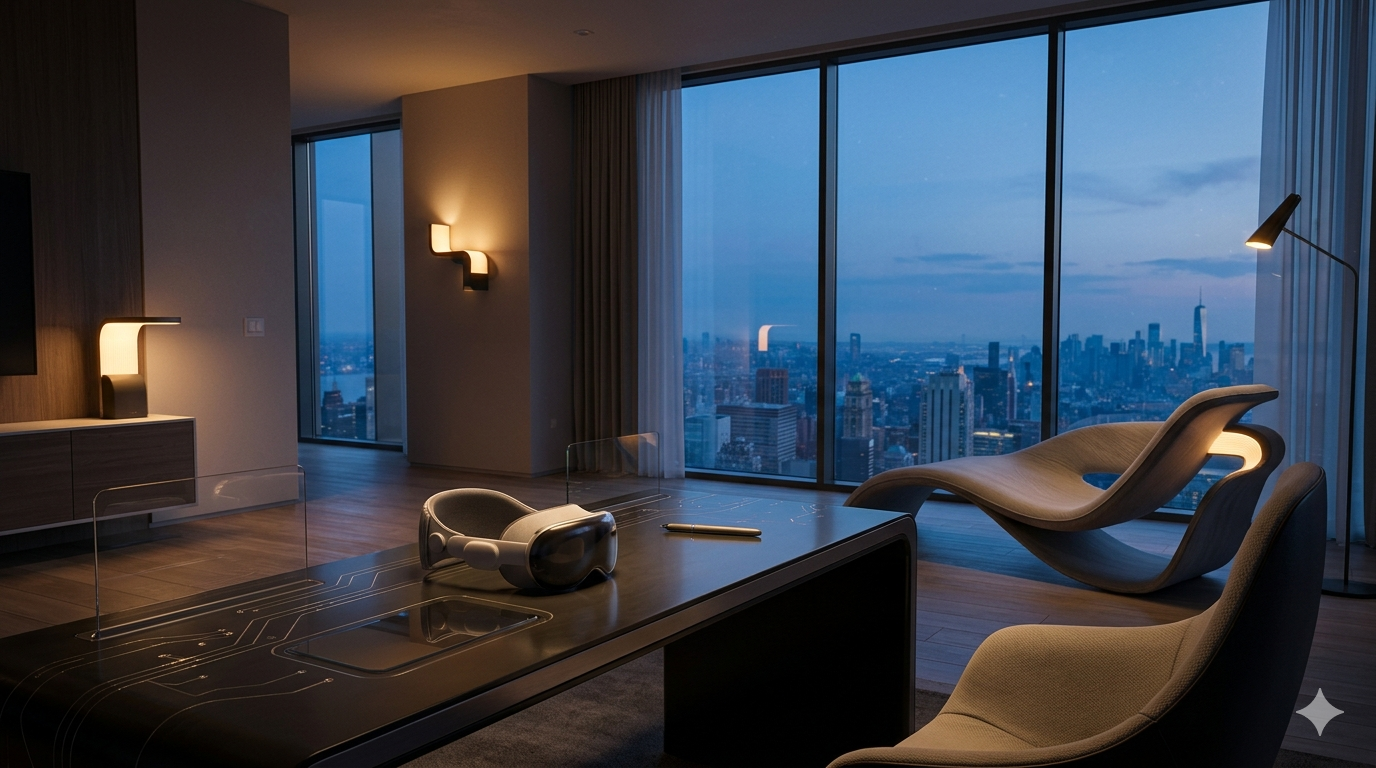
Futuristic elegance is a growing concept that blends advanced technology with refined aesthetics, creating a vision of the future where innovation and beauty exist in perfect harmony. It is not limited to fashion or architecture alone-it extends into lifestyle design, digital experiences, product development, interior spaces, and even how people interact with technology.
In today’s fast-changing world, especially in technology-driven economies like the United States, futuristic elegance is becoming a defining standard for modern luxury and innovation. Companies, designers, and creators are no longer focusing only on functionality or appearance separately. Instead, they are merging both to create seamless, intelligent, and visually refined experiences.
From smart homes and AI-powered devices to minimalist luxury fashion and futuristic city design, this concept represents the next stage of human creativity and technological evolution.
This article explores futuristic elegance in depth, including its meaning, core principles, applications, benefits, industry impact, and future trends shaping global innovation.
What Is Futuristic Elegance?
Futuristic elegance refers to a design philosophy that combines:
- Advanced technology
- Minimalist aesthetics
- Clean, smooth design structures
- Intelligent functionality
- Sustainable innovation
In simple terms, it is the art of making technology look beautiful and making beauty function intelligently.
It removes unnecessary complexity while enhancing both visual appeal and performance.
Examples include:
- Sleek smartphones with intuitive interfaces
- Modern luxury cars with AI-driven systems
- Smart homes with hidden technology
- Fashion that integrates digital elements
Futuristic elegance is about designing the future in a way that feels natural, refined, and effortless.
Core Principles of Futuristic Elegance
Futuristic elegance is built on several key principles that guide its design philosophy.
1. Minimalism with Purpose
Every element serves a function.
There is no unnecessary decoration-only meaningful design choices.
2. Integration of Technology
Technology is not separate; it is embedded into design seamlessly.
3. Smooth and Fluid Aesthetics
Sharp complexity is replaced with:
- Curved surfaces
- Soft transitions
- Balanced proportions
4. Sustainability
Eco-friendly materials and energy-efficient systems play a major role.
5. User-Centric Design
The experience of the user is always the top priority.
Evolution of Futuristic Elegance
The concept of futuristic elegance did not appear suddenly. It evolved over time.
Early Industrial Design
Early design focused mainly on function, not appearance.
Modern Minimalism
Designers began simplifying products and spaces.
Digital Transformation Era
Technology started influencing aesthetics.
AI and Smart Systems Era
Artificial intelligence introduced adaptive and intelligent design.
Today, futuristic elegance represents the combination of all these phases.
Futuristic Elegance in Technology
Technology is one of the strongest areas where this concept is visible.
Smartphones and Devices
Modern devices are designed with:
- Thin profiles
- Smooth edges
- Invisible hardware complexity
- Intuitive interfaces
Functionality is hidden behind simplicity.
Artificial Intelligence Interfaces
AI systems are designed to feel natural and human-like.
Examples include:
- Voice assistants
- Predictive text systems
- Smart recommendations
Wearable Technology
Wearables combine fashion and technology:
- Smartwatches
- Fitness trackers
- Health monitoring devices
These devices focus on both style and function.
Smart Homes
Smart homes reflect futuristic elegance through:
- Automated lighting
- Voice-controlled systems
- Invisible sensors
- Clean interior integration
Technology blends into the environment instead of dominating it.
Futuristic Elegance in Architecture
Modern architecture increasingly reflects futuristic principles.
Smart Buildings
Buildings now include:
- Energy-efficient systems
- Automated climate control
- Digital security systems
Minimalist Structures
Architectural design focuses on:
- Clean lines
- Open spaces
- Natural lighting
Sustainable Materials
Eco-friendly materials are widely used.
Urban Innovation
Future cities are designed with:
- Smart transportation
- Green energy systems
- Connected infrastructure
Futuristic Elegance in Fashion
Fashion is another major industry influenced by futuristic aesthetics.
Tech-Integrated Clothing
Clothing now includes:
- LED elements
- Smart fabrics
- Temperature regulation
Minimalist Luxury Fashion
High-end fashion focuses on:
- Clean silhouettes
- Neutral tones
- Premium materials
Digital Fashion
Virtual clothing is used in:
- Gaming
- Social media
- Virtual environments
Sustainable Fashion Movement
Eco-conscious design is becoming a key part of elegance.
Futuristic Elegance in Automotive Design
Car design has transformed dramatically.
Electric Vehicles
EVs represent futuristic elegance through:
- Smooth designs
- Silent operation
- Digital dashboards
Autonomous Driving Systems
Self-driving technology enhances convenience and safety.
Interior Innovation
Modern car interiors feature:
- Minimal controls
- Large digital displays
- Ambient lighting systems
Role of Artificial Intelligence in Futuristic Elegance
AI is a major driver of this design philosophy.
It enables:
- Predictive personalization
- Adaptive interfaces
- Automated optimization
- Smart decision-making systems
AI helps create experiences that feel intuitive and effortless.
Futuristic Elegance in Digital Experience Design
User experience design is heavily influenced by futuristic principles.
Clean Interfaces
Websites and apps focus on:
- Simplicity
- Speed
- Accessibility
Micro-Interactions
Small animations improve user engagement.
Seamless Navigation
Users experience smooth transitions between actions.
Personalized Experiences
Systems adapt to user behavior.
Futuristic Elegance in the United States
The United States is one of the global leaders in futuristic design innovation.
Key areas include:
- Silicon Valley technology companies
- Advanced automotive design
- Luxury fashion innovation
- Smart infrastructure projects
US-based companies heavily influence global design standards through innovation and research.
Benefits of Futuristic Elegance
This design philosophy offers multiple advantages.
Improved User Experience
Simple and intelligent design improves usability.
Strong Visual Appeal
Aesthetic refinement increases engagement.
Higher Efficiency
Streamlined systems perform better.
Better Technology Integration
Technology blends seamlessly into daily life.
Increased Innovation
Encourages creative problem-solving.
Challenges of Futuristic Elegance
Despite its advantages, challenges exist.
High Development Costs
Advanced design requires investment.
Technical Complexity
Integration of systems can be difficult.
Rapid Technological Change
Designs must constantly evolve.
Accessibility Issues
Advanced systems may not be available to all users.
Future Trends of Futuristic Elegance
The future will bring new developments.
AI-Driven Design Systems
Artificial intelligence will create adaptive environments.
Fully Smart Cities
Urban areas will become highly connected.
Invisible Technology
Devices will become less visible in daily life.
Sustainable Innovation
Eco-friendly design will dominate future industries.
Human-Centered Digital Worlds
Technology will become more intuitive and natural.
Why Futuristic Elegance Matters
Futuristic elegance represents the future of design and innovation because it aligns with modern needs:
- Efficiency
- Beauty
- Simplicity
- Intelligence
- Sustainability
It helps bridge the gap between technology and human experience.
Conclusion
Futuristic elegance is more than a design trend-it is a complete philosophy shaping the future of technology, architecture, fashion, transportation, and digital experiences. It combines advanced innovation with minimal, refined aesthetics to create systems that are both functional and visually powerful.
As technology continues evolving, especially in highly developed markets like the United States, futuristic elegance will become a standard for product design and user experience.
From smart homes and AI systems to luxury fashion and modern cities, this concept is redefining how humans interact with the world around them.
Ultimately, futuristic elegance represents the future of simplicity powered by intelligence-a world where technology feels natural, seamless, and beautifully designed.
Frequently Asked Questions
What is futuristic elegance?
It is a design philosophy that combines technology with minimalist and elegant aesthetics.
Where is futuristic elegance used?
It is used in technology, architecture, fashion, automotive design, and digital products.
Why is it important?
It improves user experience, efficiency, and visual appeal.
Is AI part of futuristic elegance?
Yes, AI plays a major role in adaptive and intelligent design systems.
What is the future of futuristic elegance?
It will evolve toward smarter, more sustainable, and highly integrated design systems.

