A home's roof in Central Florida faces a demanding mix of conditions. Strong sun breaks down materials year-round, high humidity encourages algae and mildew, summer storms deliver sudden downpours, and hurricane season tests every shingle and fastener. Choosing the right roofing material and keeping it in good condition protects the structure, the interior, and the home's value.
Comparing Shingle, Metal, and Tile
- Most Orlando homes use one of three main roof types, each with its own tradeoffs:
- Architectural shingles, a layered and affordable option with better wind resistance than older flat shingles
- Designer or luxury shingles, which imitate slate or wood shake with added thickness
- Standing seam or stone-coated metal, prized for wind performance, reflectivity, and long service life
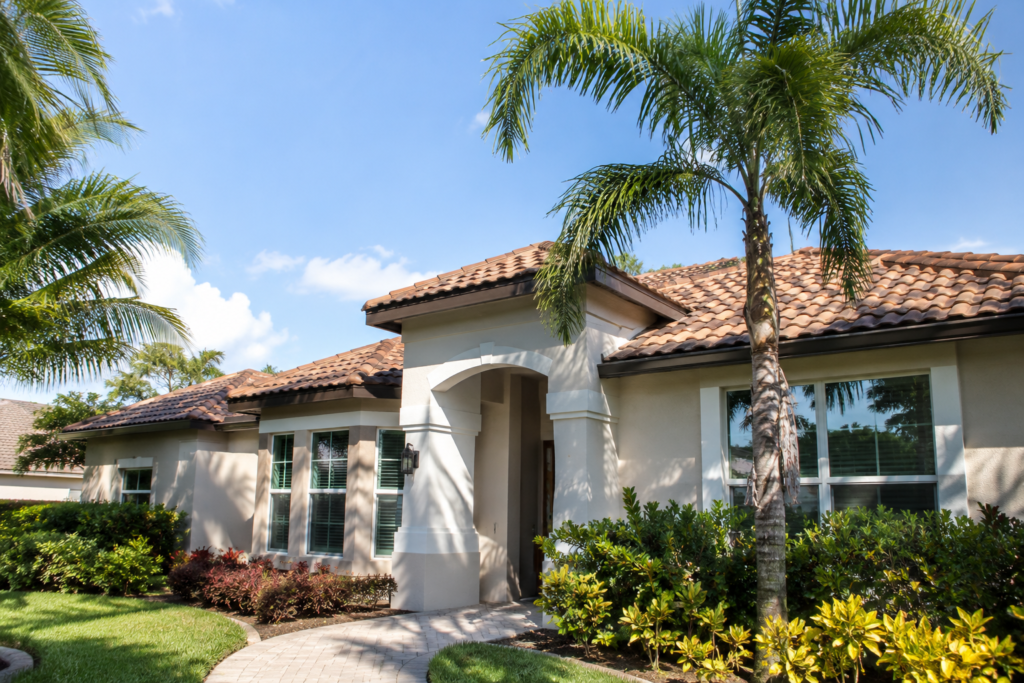
- Concrete or clay tile, durable and classic for Mediterranean and Spanish-style homes, though heavy enough to require adequate roof framing
Budget, home style, neighborhood rules, and long-term plans all shape the right choice. A homeowner planning to stay for decades may value a longer-lasting material, while a shorter horizon may favor a solid shingle roof.
Repair or Replace
Not every leak means a new roof. Many problems, like a few missing shingles after a storm or a cracked tile, can be repaired cleanly. Signs that replacement may be the better investment include widespread granule loss, curling or brittle shingles, repeated leaks in different areas, soft spots in the roof deck, and a roof nearing the end of its expected lifespan. For homeowners comparing Residential Roofing Contractors in Orlando, the first visit should include a thorough inspection rather than a quick quote. A clear explanation of findings, often with photos, helps homeowners make an informed decision instead of reacting under pressure.
Details Beneath the Surface
The visible material is only one layer of protection. Underlayment acts as a backup barrier if wind drives rain under shingles or tiles, and a sealed roof deck adds another defense during tropical storms. Flashing around chimneys, skylights, and walls is a frequent source of leaks and deserves careful attention during any project. Attic ventilation also matters in Florida heat, since trapped hot, humid air can shorten roof life, raise cooling costs, and encourage moisture problems. Many homeowners also schedule a wind mitigation inspection after a new roof is installed, since documented features like secure roof-to-wall connections can affect insurance premiums.
Care Between Projects
Simple habits extend a roof's life. Trimming overhanging branches reduces debris and storm damage, keeping gutters clear prevents water from backing up under roof edges, and checking the attic after heavy rain can reveal early leaks. A professional inspection before hurricane season and after any major storm helps catch damage while it is still minor.
A well-chosen, well-installed roof gives Orlando homeowners protection through every season. Understanding the materials, the warning signs, and the hidden details makes each roofing decision easier and more confident.