A fence looks simple from the sidewalk: posts, boards, a gate. The difference between one that stands straight for twenty years and one that sags after five is mostly invisible, set in the materials chosen and the way the posts go into the ground. In a region of heavy snow and deep freezes, building a fence that holds up comes down to those hidden decisions far more than the style on display.
Matching Material to Climate
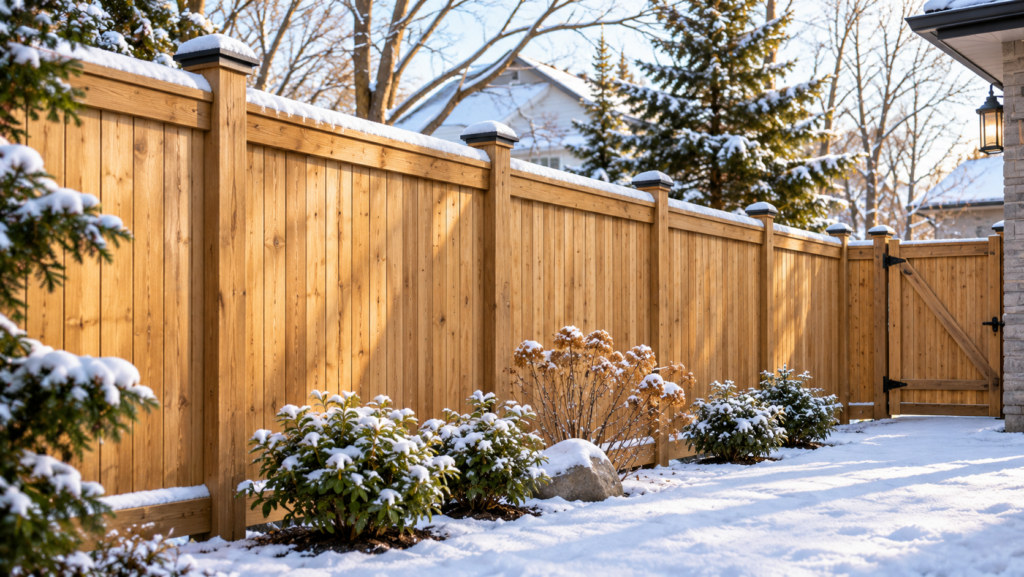
Ottawa's seasons are hard on anything left outdoors. Moisture, frost, and temperature swings test a fence year-round, and the material has to suit that reality rather than just the look a homeowner wants. Pressure-treated wood resists rot and insects at a reasonable cost, which keeps it the common choice. Cedar costs more but holds up naturally against moisture and decay while weathering to a clean grey. The right pick balances budget, upkeep, and the way the fence needs to age in a demanding climate.
Wood, Cedar, and Hybrid Options
Material choice has grown past the standard wooden picket, and the main families each carry a trade-off between cost today and effort later:
- Pressure-treated wood for durability at a lower price
- Natural wood or cedar for a classic, warmer look
- Hybrid builds that pair aluminum posts with PVC slats
For a homeowner comparing options for Fence Installation in Ottawa, the hybrid route has gained ground for a plain reason: it trims the yearly maintenance. Aluminum posts do not rot or rust the way steel can, and PVC slats skip the staining and sealing that wood demands. The choice usually comes down to how much upkeep an owner wants to sign up for over the years ahead.
Posts Are Where Fences Fail
Most failed fences do not fall because of the boards. They lean because the posts shifted. In a frost-prone region, a post set too shallow gets pushed up and sideways as the ground freezes and thaws, and the whole line follows. Posts set below the frost line, packed properly and spaced for the span, are what keep a fence true through the seasons. The depth and footing are not where a budget should get trimmed.
Property Lines and Permits
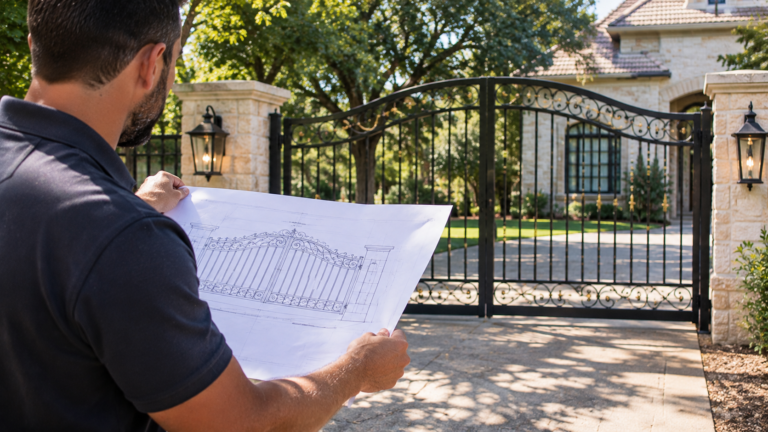
A fence sits on a boundary, which makes the paperwork as real as the build. A survey confirms the property line before anything is dug, and local rules can govern height, placement, and setback from the street. A utility locate is a required step before posts go in, since striking a buried line is dangerous and expensive. Sorting this out early prevents the kind of dispute or teardown that turns a weekend project into a lasting headache.
A fence pays its owner back in privacy, security, and curb appeal, but only when the materials fit the climate and the posts are set to hold. The visible part gets the attention, while the hidden part decides how long it lasts.