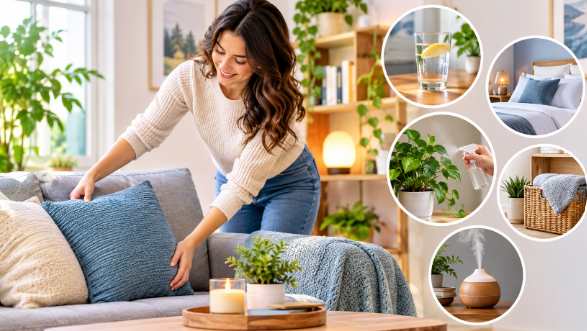
A comfortable home is shaped by many small details that influence how people experience their surroundings every day. While furniture, lighting and interior decoration receive considerable attention, other elements such as indoor air circulation, cleanliness, natural materials and fragrance also contribute to the overall atmosphere. Creating a pleasant living environment does not necessarily require expensive renovations or significant lifestyle changes. Often, simple adjustments to everyday household habits can make a noticeable difference.
Modern interior preferences increasingly focus on combining practicality with personal comfort. Homeowners are looking for ways to make their surroundings feel more welcoming while maintaining functionality and simplicity. From introducing natural elements to choosing suitable fragrance solutions, several small improvements can help create a more enjoyable indoor environment.
Why Everyday Home Habits Matter
The way a home is maintained influences its comfort, organisation and functionality. Regular cleaning, proper ventilation and thoughtful furniture placement can make rooms easier to use and maintain. These habits also help prevent common household problems, such as excessive dust accumulation, unpleasant odours and unnecessary clutter.
A well-maintained environment does not depend on the size or value of a property. Even a relatively small apartment can feel spacious and comfortable when its available space is used effectively. Similarly, a large house may feel less inviting if its rooms are poorly organised or lack adequate ventilation.
Developing consistent household routines is therefore more valuable than making occasional decorative changes. Simple practices, such as opening windows when outdoor conditions permit, cleaning frequently used surfaces and organising storage areas, can improve the overall indoor experience.
Understanding the Role of Fragrance in Indoor Spaces
Fragrance is an important part of how people perceive their surroundings. Different aromas can influence personal preferences, associations and the perceived atmosphere of a room. Some individuals enjoy fresh citrus notes, while others prefer woody, floral or herbal fragrances.
Introducing fragrance into an indoor environment requires choosing products that suit the room and the people using it. An Oil Diffuser is one option for distributing fragrance through a controlled release process. Depending on its design, it may use water and ultrasonic vibrations, heat or another diffusion method to disperse aromatic substances.
Ultrasonic oil diffusers typically combine water with compatible essential oils. A small electronic mechanism produces vibrations that create a fine mist, which is released into the surrounding environment. This makes them a popular option for people who prefer a water-based fragrance diffusion system.
Other diffuser types operate differently. Nebulising diffusers disperse concentrated essential oils without adding water, while passive diffusers rely on evaporation. Understanding these differences helps consumers select an option that matches their preferences, room size and maintenance expectations.
Choosing the Right Fragrance for Different Rooms
Fragrance selection should consider the purpose and characteristics of each room. A scent that feels pleasant in a spacious living room may be too strong for a smaller bedroom or study area.
Fresh and light fragrance profiles are often preferred in shared living spaces because they can provide a subtle background aroma. Floral and herbal notes may appeal to people who enjoy softer fragrance combinations, while woody and warm scents are popular among those who prefer deeper aromatic profiles.
Room size is another important consideration. Larger spaces may require equipment designed for wider coverage, whereas smaller rooms generally need less fragrance output. Using more oil does not necessarily improve the experience and may result in an overpowering aroma.
It is also useful to consider how frequently a room is occupied. Fragrance products should be used according to their manufacturer’s recommendations, particularly in spaces where children, pets or individuals with fragrance sensitivities spend time.
How Diffuser Technology Has Changed Home Fragrance
Traditional home fragrance products include scented candles, incense, room sprays and passive fragrance containers. Although these options remain popular, modern diffuser technology provides additional ways to distribute aromas.
Electric diffusers offer different operating features, including adjustable mist settings, automatic shut-off functions and programmable timers. Some models also include ambient lighting, allowing them to serve as both functional fragrance devices and decorative accessories.
Ultrasonic models are particularly recognised for combining fragrance distribution with a visible mist effect. However, they require regular cleaning because mineral deposits and oil residue can accumulate inside the water reservoir.
Nebulising models offer a different experience because they generally distribute concentrated essential oils without water. Their fragrance output and operating costs may differ from those of ultrasonic devices.
Before purchasing a diffuser, consumers should examine its capacity, operating duration, noise level, cleaning requirements and compatibility with different oils. These practical details are often more important than appearance alone.
The Importance of Maintaining a Clean and Fresh Indoor Environment
Fragrance should complement good household maintenance rather than replace it. Unpleasant indoor odours can originate from cooking residues, damp fabrics, waste bins, poorly ventilated bathrooms and accumulated dust.
Regular cleaning helps address these sources instead of simply covering them with stronger aromas. Washing curtains and cushion covers, cleaning carpets, emptying waste containers and maintaining kitchen appliances can all contribute to a fresher indoor environment.
Ventilation is equally important. Opening windows when outdoor air quality and weather conditions are suitable can help replace stale indoor air. Exhaust fans are also useful in kitchens and bathrooms, where moisture and odours can accumulate.
An Oil Diffuser may introduce a preferred fragrance into a clean room, but it does not eliminate airborne pollutants or replace proper ventilation. Keeping this distinction in mind helps consumers develop more realistic expectations of home fragrance products.
Incorporating Fragrance Devices into Interior Design
Home fragrance devices are available in different shapes, materials, colours and finishes. Their appearance can influence how easily they fit into an existing interior design scheme.
Minimalist ceramic diffusers may complement contemporary interiors, while wooden finishes can work well with natural or rustic decorative styles. Glass designs often suit more traditional or elegant settings.
Placement should be based on both appearance and practical requirements. A diffuser should generally be positioned on a stable, level surface away from direct sunlight, sensitive electronics and materials that could be damaged by moisture or oil residue.
For ultrasonic devices, adequate clearance around the mist outlet is important. Following the manufacturer’s placement and operating instructions can help prevent unwanted moisture accumulation on nearby surfaces.
Choosing a suitable design allows a fragrance device to become part of the overall room arrangement without occupying unnecessary space.
Safety and Maintenance Considerations When Using Essential Oils
Essential oils are concentrated substances, so their use requires appropriate care. Not every oil is suitable for every diffuser, and some devices are designed specifically for particular fragrance formulations.
Consumers should always check product compatibility and follow the recommended dilution instructions. Excessive concentrations may create strong aromas that some people find irritating.
Households with pets should take additional precautions because certain essential oils can be harmful to specific animals. Birds, cats and other pets may have different sensitivities, making veterinary guidance important before introducing essential oil diffusion into shared spaces.
Regular cleaning is also necessary. Residue left inside a diffuser can affect its performance, create unpleasant smells and shorten its useful life. Cleaning frequency should follow the manufacturer’s recommendations rather than a universal schedule.
Creating a More Personal and Enjoyable Home Atmosphere
A home should reflect the preferences and routines of the people living in it. Some homeowners prefer minimal interiors with neutral colours and subtle fragrances, while others enjoy decorative accessories, colourful furnishings and distinctive aromas.
There is no single approach that works for every household. The most practical improvements are those that support everyday activities without introducing unnecessary complexity.
An Oil Diffuser can be one small addition to a personalised home environment, particularly for individuals who enjoy incorporating fragrance into their surroundings. However, its suitability depends on individual preferences, household requirements and responsible use.
Combining thoughtful fragrance choices with proper cleaning, suitable lighting, organised interiors and adequate ventilation creates a more balanced approach to home comfort.
Conclusion
A comfortable living environment is the result of several interconnected factors rather than one expensive improvement. Regular maintenance, practical interior arrangements, appropriate lighting and careful fragrance selection can all contribute to a more welcoming home.
Modern fragrance devices provide different ways to introduce aromas into indoor spaces, but choosing the right option requires understanding their technology, maintenance needs and safety considerations. By making informed decisions and developing consistent household habits, homeowners can create surroundings that are functional, pleasant and suited to their everyday lifestyles.