Billions of people now take constant connectivity for granted, yet vast stretches of the world still have patchy signals or none at all. Mountain villages, desert highways, island communities and farming belts often sit far from the electrical grid. A mobile tower needs a steady supply of power every hour of the day. Where the grid does not reach, the network does not either.
For years, operators solved this with diesel generators. They work, but they are noisy, expensive to fuel and difficult to maintain when the nearest town is a six-hour drive away. Every fuel delivery adds cost and emissions. That is why the industry is turning toward cleaner alternatives, and why the idea of Telecom Solar has moved from experiment to mainstream planning.
Why remote sites are so hard to power
A remote telecom site faces several problems at once. Fuel has to be transported over rough roads, and theft of diesel is a persistent issue in some regions. Generators need regular servicing, and a failed generator means a dark tower and a community cut off from emergency services, banking and education.
Remote sites also tend to have unpredictable loads. A tower serving a small village may be quiet at night and busy in the evening. Power systems have to handle those swings without wasting energy or running out of it.
The shift to solar-led designs
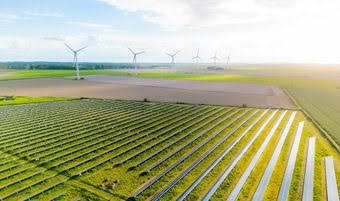
Solar energy suits these locations well because sunlight is free and arrives wherever the tower stands. A well-designed system combines panels, battery storage and smart controllers. Panels collect energy during daylight, batteries store the surplus, and the controller decides when to draw from each source. A generator can remain as a backup, but it runs far less often.
The results can be significant. Fewer fuel runs mean lower operating costs, fewer site visits and a smaller carbon footprint. For operators with thousands of sites, even small savings per tower add up to a major budget difference over a year.
Battery technology matters just as much as the panels. Modern lithium-based storage handles frequent charge cycles, tolerates wide temperature ranges and takes up less space than older lead-acid banks. Remote monitoring lets engineers check the health of a site from a central office instead of driving out to inspect it.
Power is only half the story
A tower with reliable energy still needs a reliable way to move data. The signal that reaches your phone has to travel back into the wider network, and that is where high-capacity transmission comes in. Fibre links and Optical Communications equipment carry enormous volumes of data over long distances with very little loss. When the transmission layer is strong, a remote tower can deliver video calls, mobile payments and online classes with the same quality that city users expect.
The two layers work together. Efficient power keeps equipment running, and efficient transmission makes the most of that uptime. Planning one without the other leaves a weak link somewhere in the chain.
What this means for communities
Reliable connectivity changes daily life in remote areas. Farmers check weather and market prices before selling a crop. Clinics consult specialists in distant hospitals. Students attend lessons that were previously out of reach. Small businesses accept digital payments and reach customers beyond their district. Emergency responders can coordinate during floods or storms when a working tower is the only link to the outside world.
There is also an economic multiplier. Studies from development organisations have repeatedly linked mobile coverage to higher household income and better access to financial services. Each new connected site is more than a technical achievement. It is an opening for new opportunities.
Practical tips for operators and planners
If you are planning or evaluating off-grid sites, a few principles help:
- Measure the real load. Oversizing wastes money, while undersizing causes outages. Audit what the equipment actually consumes.
- Design for the worst week, not the average day. Cloudy spells and seasonal variation affect output, so size storage accordingly.
- Plan for maintenance access. Choose components that are robust and simple to service, and use remote monitoring to cut unnecessary trips.
- Think about the whole network. Power, transmission and equipment should be planned together rather than bought in isolation.
- Count lifetime cost. The cheapest system to buy is rarely the cheapest to run over ten years.
Looking ahead
As devices multiply and demand for data keeps growing, the pressure on remote infrastructure will only increase. Governments are setting universal-access targets, and operators face rising fuel costs and stricter emissions expectations. Clean, resilient power combined with high-capacity transmission is quickly becoming the standard blueprint for reaching people who were previously left offline.
The connectivity gap will not close overnight. But every tower that runs on sunlight instead of diesel, and every fibre link that carries more data with less loss, moves the world a little closer to genuinely universal access. Reaching the last unconnected communities is no longer just a technical challenge. It is a question of choosing smarter infrastructure and building it with the long term in mind.