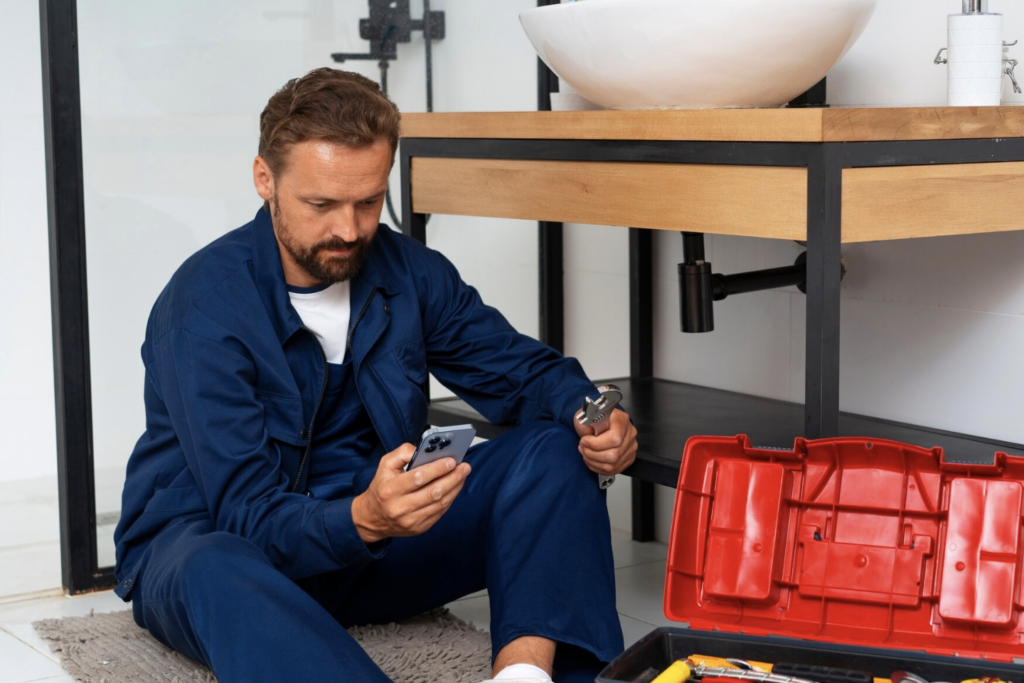
Most plumbing problems don’t begin with a burst pipe or a flooded basement. They start with small changes that are easy to overlook. A sink takes longer to drain, the toilet makes an unusual sound, or the water pressure drops without an obvious reason.
These early warning signs can reveal developing problems inside a home’s plumbing system. Recognizing them gives homeowners time to investigate, arrange repairs, and avoid unnecessary damage.
Here are nine plumbing warning signs worth paying attention to and what they might mean for your home.
1. Slow Drains That Keep Getting Worse
A slow-draining sink or bathtub might seem like a minor inconvenience. However, when water consistently takes longer to disappear, something could be restricting the flow inside the pipe.
Bathroom drains commonly collect hair, soap residue, and personal care products. Kitchen drains are more likely to develop buildup from grease, food particles, and cooking oils.
Over time, these materials can narrow the opening inside the pipe and make drainage increasingly difficult.
When Slow Drainage Becomes a Concern
One slow drain may indicate a localized blockage. When several fixtures begin draining slowly around the same time, the problem could involve a shared drainpipe or the main sewer line.
Homeowners should watch for:
● Water collecting around shower drains.
● Kitchen sinks taking longer to empty.
● Recurring clogs after temporary cleaning.
● Water backing up into another plumbing fixture.
A professional drain inspection can help identify the obstruction and determine whether cleaning or additional repairs are necessary.
2. Unexplained Increases in Water Bills
Water bills naturally fluctuate with household usage. Watering the lawn, filling a swimming pool, or hosting visitors can increase consumption.
However, a noticeable increase without any change in daily habits deserves attention.
Hidden leaks may develop beneath floors, behind walls, or along underground water supply lines. Because these leaks aren’t always visible, homeowners might continue losing water for weeks before discovering the problem.
How to Check for a Possible Hidden Leak
Start by turning off all faucets, appliances, and fixtures that use water.
Next, check the water meter. If its leak indicator continues moving when no water should be running, there may be a leak somewhere in the system.
For meters without a dedicated leak indicator, record the reading and check it again after a period of no water use.
Remember that some appliances, including water softeners and automatic ice makers, may use water unexpectedly. Make sure these aren’t operating during the test.
A plumber can perform additional testing to locate concealed leaks without relying on guesswork.
3. Gurgling Sounds Coming From Drains
Plumbing systems aren’t completely silent, but persistent bubbling or gurgling sounds can indicate a drainage or ventilation problem.
These noises often occur when air struggles to move through the plumbing system as wastewater flows.
A partial blockage may interfere with normal drainage, causing air to move through nearby fixtures. Problems with plumbing vents can produce similar symptoms.
For example, a toilet might bubble when the bathtub drains, or a bathroom sink may gurgle after someone flushes the toilet.
Why These Sounds Matter
Gurgling doesn’t automatically mean a major sewer problem. Still, repeated noises involving multiple fixtures should be investigated.
A plumber may examine the drain system, inspect accessible vent connections, and check for developing blockages.
Identifying the cause early can prevent a small drainage issue from becoming a wastewater backup.
4. Persistent Sewer Odors Inside the House
An occasional unpleasant smell near a kitchen drain may come from trapped food debris. However, persistent sewage odors deserve closer attention.
A properly functioning plumbing system uses drain traps and vent pipes to help prevent sewer gases from entering occupied spaces.
When something interferes with these components, unpleasant odors may develop.
Possible causes include:
● Dry drain traps in rarely used fixtures.
● Damaged or disconnected drainpipes.
● Blocked plumbing vents.
● Deteriorated toilet seals.
● Problems within the sewer drainage system.
If a guest bathroom hasn’t been used for several weeks, running water into the sink or shower may restore the trap’s water seal.
However, odors that return quickly or spread through several rooms require professional evaluation.
Avoid covering persistent sewer smells with air fresheners. Finding the source is more important than temporarily hiding the odor.
5. Water Pressure That Suddenly Drops
Strong, consistent water pressure makes everyday activities easier. When pressure suddenly decreases, homeowners may notice weak showers, slow-filling washing machines, or reduced flow from faucets.
The cause may be relatively simple, such as mineral deposits blocking a faucet aerator.
However, pressure problems affecting the entire house can indicate more significant issues.
Common Reasons for Low Water Pressure
Possible explanations include partially closed shutoff valves, faulty pressure regulators, corroded pipes, water supply interruptions, or leaks.
The location of the problem provides useful clues.
If only one faucet has weak flow, inspect its aerator or fixture components. If every fixture experiences reduced pressure, the problem may involve the main water supply or household plumbing system.
Sudden pressure loss accompanied by wet ground, unexplained water sounds, or visible leakage should receive prompt attention.
A qualified plumber can measure water pressure and investigate the underlying cause.
6. Water Stains on Walls, Ceilings, or Floors
Water stains are among the clearest warning signs that moisture may be reaching areas where it doesn’t belong.
Discoloration can appear as yellow or brown patches on ceilings, peeling paint, bubbling wallpaper, or dark marks along baseboards.
Sometimes the source is a leaking plumbing connection. In other situations, roof leaks, condensation, or exterior water intrusion may be responsible.
Why Small Stains Shouldn’t Be Ignored
A stain doesn’t necessarily reveal how much moisture is present behind the surface.
Water can travel along framing materials before becoming visible, making the source difficult to identify without further inspection.
Repeated moisture exposure may damage drywall, flooring, insulation, and wooden structural components.
If a stain grows, feels damp, or appears alongside a musty odor, investigate promptly.
Homeowners should also avoid painting over discoloration before identifying and correcting the moisture source.
7. Toilets That Frequently Clog or Overflow
An occasional toilet clog can happen in almost any household. Frequent blockages, however, may indicate a problem beyond ordinary toilet paper buildup.
Some toilets struggle because of objects lodged in the trap. Others experience recurring problems due to restricted drainpipes or developing sewer line issues.
Flushing wipes, paper towels, hygiene products, and other materials can contribute to stubborn blockages, even when product packaging suggests they are flushable.
When a Toilet Problem Needs Professional Help
Repeated plunging may temporarily restore drainage without removing the underlying obstruction.
If the toilet clogs again shortly afterward, professional equipment may be needed to identify and remove the blockage.
Pay particular attention when toilet problems occur alongside slow showers or wastewater appearing in nearby drains.
These symptoms may indicate a restriction in a shared drain or sewer line.
If a toilet begins overflowing, stop flushing and close its water supply valve when safe to do so. Arrange an inspection before using the affected fixture again.
8. Damp Basement Floors or Unexpected Water Accumulation
Basements and crawl spaces are especially vulnerable to moisture because they sit near or below surrounding ground level.
After heavy rainfall, water may enter through foundation openings, poorly managed exterior drainage, or groundwater pressure.
Plumbing leaks and malfunctioning sump pumps can also contribute to unwanted water accumulation.
A small puddle might disappear after a few hours, but recurring dampness should never be treated as normal.
Understanding the Role of Sump Pumps
Homes with sump pump systems depend on these devices to collect and discharge water from designated drainage areas.
When a sump pump fails, water may accumulate in the pit and eventually spread across the basement floor.
Common warning signs include unusual motor noises, frequent cycling, visible rust, and water levels that remain unusually high.
Homeowners should inspect accessible discharge outlets and ensure water can move away from the foundation.
For electrical safety, avoid handling submerged pumps or electrical equipment while standing in water.
Routine professional inspections can help identify mechanical problems before periods of heavy rainfall.
9. Repeated Plumbing Repairs Without Lasting Results
Sometimes the biggest warning sign isn’t a particular sound or leak. It’s the fact that the same plumbing problem keeps returning.
A drain may clog every few months. A pipe connection may repeatedly develop leaks. A toilet might continue backing up despite several attempts to clear it.
These patterns suggest that previous repairs may have addressed symptoms without resolving the underlying cause.
For example, removing debris from a drain can restore water flow, but it won’t repair a damaged pipe that repeatedly traps waste.
Similarly, replacing a worn fixture component won’t solve an unrelated pressure problem affecting the household.
Why Proper Diagnosis Makes a Difference
Modern plumbing inspections can involve video cameras, pressure testing, moisture detection equipment, and other diagnostic methods.
The appropriate technique depends on the suspected problem.
For homeowners in Maryland, Virginia, and Washington, DC, The Drain Guys provides drain cleaning, sewer inspections, plumbing repairs, and related services. Click here to explore the available plumbing solutions and learn more about professional assistance.
A thorough diagnosis helps homeowners understand which repairs are necessary and whether preventive maintenance could reduce future problems.
Simple Plumbing Maintenance Habits That Help Prevent Problems
Although some plumbing failures happen unexpectedly, regular maintenance can reduce the likelihood of avoidable blockages and unnoticed leaks.
Homeowners don’t need specialized equipment to develop better plumbing habits.
Start with a few practical measures.
Keep Grease and Food Waste Out of Drains
Cooking grease may appear liquid while hot, but it can cool and accumulate inside drainage pipes.
Instead of pouring oil or grease into the sink, collect it in a suitable container and dispose of it according to local waste guidelines.
Use sink strainers to catch food scraps before they enter the drain.
Inspect Visible Plumbing Connections
Check beneath sinks, around toilets, and near accessible supply lines for moisture.
Look for corrosion, mineral deposits, damp cabinet surfaces, and unusual odors.
Even small leaks deserve attention because prolonged exposure can damage surrounding materials.
Know Where the Main Water Shutoff Valve Is Located
Every homeowner should know how to stop the household water supply during an emergency.
Locate the main shutoff valve and confirm that household members understand its purpose.
If a major supply pipe bursts, shutting off the water promptly may reduce property damage while professional help is arranged.
Schedule Inspections When Warning Signs Appear
Not every home requires the same maintenance schedule.
Older plumbing systems, properties with mature trees near sewer lines, and households experiencing repeated drainage problems may benefit from more frequent professional assessments.
A plumber can recommend an inspection schedule based on pipe materials, system condition, and previous repair history.
Final Thoughts
Plumbing problems rarely become easier to manage when warning signs are ignored. A slow drain, unexplained water bill, or recurring damp patch may provide an early opportunity to identify a developing issue.
Homeowners can protect their properties by paying attention to changes in water pressure, drainage performance, moisture levels, and unusual plumbing noises.
Simple maintenance habits help, but persistent or widespread symptoms call for professional diagnosis.
Addressing problems while they’re still manageable can reduce disruption, limit avoidable damage, and help keep household plumbing systems working reliably for years to come.