

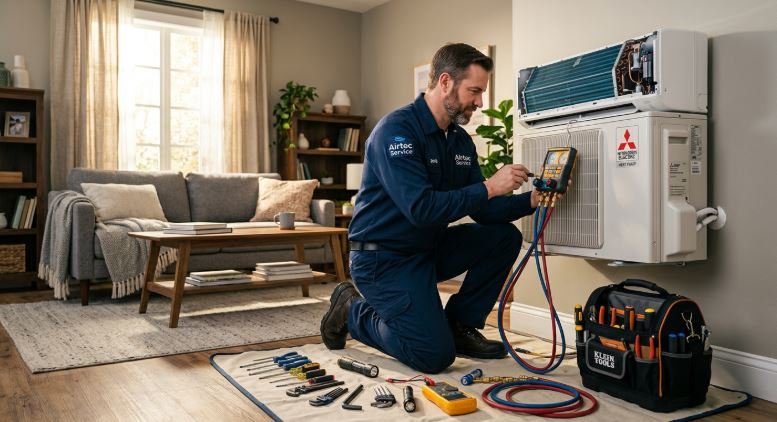
When your heat pump sputters on the coldest night of the year, comfort suddenly feels like a luxury. A failing system doesn’t just mean a chilly living room — it can mean higher energy bills, strained components, and a home that never quite feels right. Understanding how heat pumps work, what commonly goes wrong, and when to call in a professional can save you from unnecessary stress and expense.
At Airtec Service, we’ve spent years helping homeowners keep their heating and cooling systems running smoothly through every season. This guide walks you through the warning signs of heat pump trouble, the most common causes of breakdowns, and why timely attention to your system pays off in comfort and savings.
Why Your Heat Pump Deserves Attention Before It Fails
Heat pumps are workhorses. They cycle between heating and cooling modes depending on the season, which means their components endure more wear than a traditional furnace or air conditioner. Fans, compressors, refrigerant lines, and thermostats all work in tandem, and a hiccup in any one part can throw off the entire system.
Ignoring small issues rarely makes them disappear. A unit that’s cycling too frequently or producing uneven temperatures today can turn into a complete system failure next month. Addressing problems early typically costs less than waiting for a full breakdown, and it extends the lifespan of your equipment considerably.
Common Signs Your Heat Pump Needs Professional Help
Most heat pump issues don’t appear out of nowhere. They build gradually, giving homeowners a window to catch problems before they escalate. Watch for these indicators:
Inconsistent temperatures throughout your home. If some rooms feel warm while others stay cold, your system may be struggling with airflow or a failing component.
Unusual noises. Grinding, clicking, or buzzing sounds often point to loose parts, worn bearings, or electrical issues that shouldn’t be left unchecked.
Rising energy bills without a change in usage. A heat pump working harder than it should will show up on your utility bill long before it fails completely.
Ice buildup on the outdoor unit. While some frost is normal during defrost cycles, excessive ice formation usually signals a refrigerant leak or a malfunctioning defrost control.
Short cycling. If your system turns on and off repeatedly without completing a full cycle, it’s wasting energy and putting extra strain on the compressor.
Weak or no airflow. A sudden drop in airflow often traces back to a clogged filter, a failing blower motor, or ductwork problems.
Spotting these signs early and scheduling service promptly can mean the difference between a quick fix and a costly replacement.
What Typically Causes Heat Pump Problems?
Understanding the root causes behind heat pump malfunctions helps homeowners make smarter maintenance decisions. Some of the most frequent culprits include:
- Dirty or clogged filters that restrict airflow and force the system to work harder than necessary.
- Low refrigerant levels caused by leaks, which reduce heating and cooling efficiency.
- Thermostat miscalibration, leading to inconsistent temperatures or a system that won’t respond to settings.
- Worn electrical connections that can trip breakers or cause intermittent shutdowns.
- Outdoor unit obstructions, such as leaves, debris, or snow, that block proper airflow.
- Aging components that simply wear out after years of continuous use.
Many of these issues are preventable with routine maintenance, but when something does go wrong, having a reliable technician diagnose the problem quickly keeps small issues from becoming expensive repairs.
How Often Should You Schedule Maintenance for Your Heat Pump?
Most manufacturers and HVAC professionals recommend servicing your heat pump at least twice a year — once before the heating season and once before the cooling season. This timing allows technicians to catch developing issues before extreme temperatures put additional strain on your system.
Regular maintenance typically includes cleaning coils, checking refrigerant levels, inspecting electrical connections, lubricating moving parts, and testing thermostat accuracy. Homeowners who stay consistent with these checkups often enjoy lower energy bills, fewer emergency repairs, and a system that lasts well beyond its expected lifespan.
Choosing the Right Team for Your Heat Pump Needs
Not every HVAC technician brings the same level of expertise to a heat pump repair. Because these systems combine heating and cooling functions into one unit, diagnosing problems requires a broader skill set than servicing a standard furnace or air conditioner alone.
Reliable heat pump repair that restores comfort without breaking your budget starts with choosing a team that understands the full complexity of these systems. At Airtec Service, our technicians are trained to handle every make and model, from routine tune-ups to complex refrigerant and electrical repairs. We prioritize transparent communication, so you always know what’s wrong and what it will take to fix it — no surprises, no upselling, just honest service.
Our team also understands that heating and cooling emergencies rarely happen at convenient times. That’s why we offer prompt scheduling and responsive support, so you’re never left waiting in discomfort while a solution is within reach.
Simple Steps to Extend Your Heat Pump’s Lifespan
While professional maintenance plays the biggest role in keeping your system healthy, a few habits at home can make a noticeable difference:
- Change filters regularly — every one to three months, depending on usage and household factors like pets or allergies.
- Keep the outdoor unit clear of leaves, snow, and debris to maintain proper airflow.
- Monitor your thermostat settings to avoid drastic temperature swings that force the system to overwork.
- Schedule seasonal inspections rather than waiting for visible problems to appear.
- Listen for changes in sound or performance, and address them promptly instead of assuming they’ll resolve on their own.
These small efforts, combined with professional checkups, go a long way toward preventing costly breakdowns and keeping your home comfortable year-round.
Comfort You Can Count On, Season After Season
A well-maintained heat pump means fewer surprises, lower energy costs, and a home that stays comfortable no matter what the weather brings. Recognizing early warning signs and scheduling timely repairs protects both your investment and your peace of mind.
If your system has been acting up, don’t wait for a complete breakdown to take action. Reach out to our team today, and let us help you get back to enjoying a comfortable, worry-free home.
Frequently Asked Questions
How much does a typical heat pump repair cost?
Costs vary depending on the issue, but minor repairs like thermostat recalibration are generally less expensive than compressor or refrigerant repairs. A technician can provide an accurate estimate after diagnosing the specific problem.
Can I repair my heat pump myself?
Basic tasks like changing filters or clearing debris around the outdoor unit are safe for homeowners to handle. However, electrical or refrigerant-related issues require a licensed professional to avoid safety hazards and further damage.
How long does a heat pump repair usually take?
Many repairs can be completed within a single visit, though more complex issues involving parts replacement may take longer depending on availability.
Is it better to repair or replace an aging heat pump?
If your system is nearing the end of its expected lifespan and requires frequent repairs, replacement may offer better long-term value. A technician can help weigh the costs of continued repairs against a new installation.

