

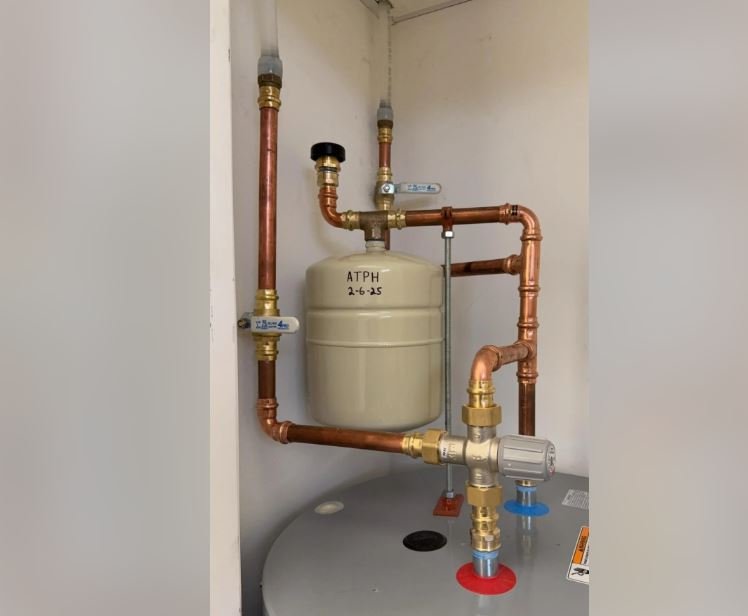
Few home systems work as hard, as quietly, as your water heater. It fires up every time you shower, wash dishes, or run a load of laundry, yet most homeowners never think about it until the hot water runs out. When that day comes, the quality of your installation determines whether you’re dealing with a quick fix or a recurring headache.
Parobek Plumbing & Air Conditioning has spent years helping homeowners choose, size, and install water heaters that actually fit their household needs. The difference between a properly installed unit and a rushed job isn’t always obvious at first. It shows up months later in the form of inconsistent temperatures, rising energy bills, or premature equipment failure.
This post walks through what goes into a quality water heater installation, the signs that your current system needs attention, and why trusting the job to trained professionals pays off in the long run.
Signs Your Water Heater Needs to Be Replaced
Water heaters don’t usually fail without warning. They tend to give small signals first, and catching them early can save you from a cold shower surprise.
Watch for these common indicators:
- Inconsistent water temperature: If your hot water fluctuates between scalding and lukewarm, your heating element or thermostat may be struggling to keep up.
- Rusty or discolored water: This often points to internal tank corrosion, which isn’t something that can be patched.
- Strange noises: Rumbling or popping sounds usually mean sediment has built up at the bottom of the tank, reducing efficiency over time.
- Age of the unit: Most tank water heaters last between 8 and 12 years. If yours is approaching that range, it’s worth having it inspected.
- Rising utility bills: An aging or poorly sized unit has to work harder, which shows up directly on your monthly energy statement.
If you’re noticing even one or two of these signs, it’s a good time to start exploring your replacement options before a full breakdown forces an urgent decision.
Choosing the Right Water Heater for Your Home
Not every household needs the same setup, and this is where a lot of DIY or budget installations fall short. Choosing the wrong size or type of unit can lead to constant frustration, even if the installation itself is technically sound.
Tank vs. Tankless Water Heaters
Traditional tank water heaters store and continuously heat a set volume of water, making them a reliable and typically more affordable upfront choice. Tankless water heaters, on the other hand, heat water on demand, which can lead to lower energy costs over time and a smaller physical footprint, though they usually come with a higher initial investment.
Sizing Matters
A water heater that’s too small will leave your household running out of hot water during busy mornings, while an oversized unit wastes energy and money. Factors like the number of bathrooms, household size, and peak usage times all play into finding the right fit.
Fuel Type Considerations
Gas, electric, and hybrid heat pump water heaters each come with their own installation requirements, efficiency ratings, and operating costs. The right choice often depends on what’s already available in your home and your long-term energy goals.
What Happens During a Professional Installation
A lot goes into installing a water heater correctly, far more than simply connecting pipes and flipping a switch. Here’s a general look at what the process involves:
- Assessment and sizing: A technician evaluates your household’s hot water needs and recommends a unit sized appropriately for your home.
- Removal of the old unit: The existing water heater is safely disconnected and removed, including proper disposal.
- Installation of the new system: This includes connecting water lines, venting (for gas units), electrical work (for electric units), and ensuring everything meets local building codes.
- Safety and pressure checks: Technicians test for leaks, verify pressure relief valves are functioning, and confirm the thermostat is calibrated correctly.
- Final walkthrough: A good installer will explain basic maintenance tips and answer any questions about your new system.
Skipping steps, especially around venting and pressure relief, can create safety hazards down the road. This is one of the clearest reasons professional installation is worth the investment.
Why DIY Installation Often Costs More in the Long Run
It’s tempting to save money by installing a water heater yourself, especially with so many online tutorials available. But water heater installation involves gas lines, electrical connections, and local code compliance that vary by municipality. A small mistake, like an improperly sealed gas connection or incorrect venting, can lead to costly repairs or even safety risks.
Licensed plumbers also carry the training to catch issues that aren’t obvious to the untrained eye, such as water pressure imbalances or outdated electrical wiring that isn’t rated for a new unit. What looks like a straightforward weekend project can quickly turn into an expensive correction if something goes wrong.
Trust Parobek Plumbing & Air Conditioning for a Job Done Right
Getting reliable hot water for your family starts with choosing the right team for the job. Water Heater Installation handled by experienced professionals means fewer surprises, proper code compliance, and a system built to last. Parobek Plumbing & Air Conditioning has helped countless homeowners select, install, and maintain water heaters that match their household’s specific needs, whether that’s a traditional tank system or a modern tankless upgrade.
From the initial consultation to the final safety check, every step is handled with care and attention to detail. That means no guesswork, no shortcuts, and no worrying about whether the job was done correctly.
Ready for Reliable Hot Water Again?
A properly installed water heater isn’t something you should have to think about for years. It should simply work, quietly and efficiently, in the background of your daily routine. If your current unit is showing signs of wear or you’re building out a new space, now is a good time to explore your options with a trusted professional team.
Reach out to Parobek Plumbing & Air Conditioning today to schedule an assessment and find the right water heater solution for your home.
Frequently Asked Questions
How long does a typical water heater installation take?
Most standard tank installations can be completed in a few hours, while tankless systems or homes requiring additional electrical or venting work may take a full day.
How often should a water heater be replaced?
Most tank water heaters last between 8 and 12 years, while tankless units can last 15 to 20 years with proper maintenance.
Is a permit required for water heater installation?
In most areas, yes. Local codes often require permits and inspections, particularly for gas-powered units, to ensure safety standards are met.
Can I upgrade from a tank to a tankless system?
Yes, though it may require additional work for gas line sizing, venting, or electrical capacity depending on your home’s existing setup.

