

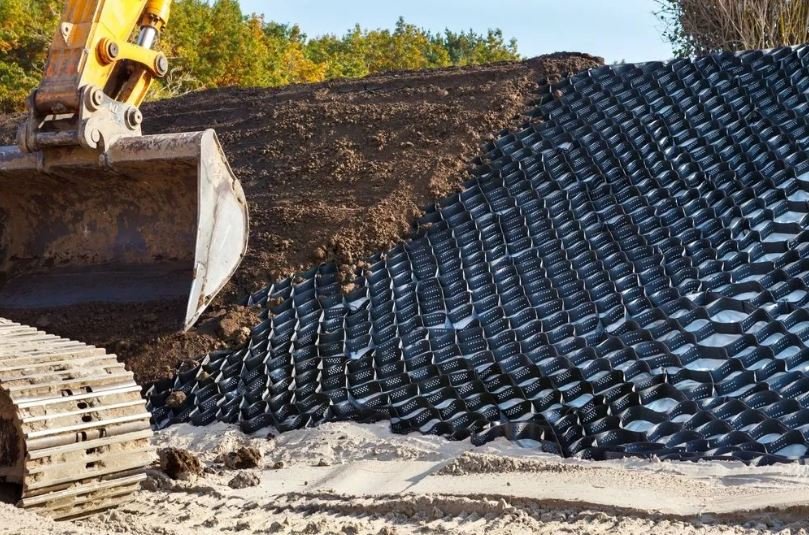
Soil doesn’t announce when it’s about to wash away. One heavy rainstorm, one poorly graded slope, one missed drainage plan, and suddenly a property owner is staring at gullies, sediment runoff, and a foundation that’s no longer as stable as it used to be. For landowners, developers, and contractors across the region, this is a familiar — and costly — problem.
Cypress Edge Construction has spent years helping property owners get ahead of this issue rather than react to it after the damage is done. Soil stability isn’t something that happens by accident. It takes planning, the right equipment, and a team that understands how water, grading, and vegetation interact on a given piece of land.
This post walks through why soil stability matters so much for construction and land development projects, what causes it to fail, and how proactive planning can save property owners from expensive repairs down the road.
Why Soil Stability Should Be a Priority From Day One
Many property owners don’t think about soil movement until it’s already a problem. By then, the cost of fixing it — regrading, replacing lost topsoil, repairing damaged structures — is far higher than it would have been to address proactively.
A few reasons soil stability deserves early attention:
- Water doesn’t wait. Rainfall patterns can shift dramatically from one season to the next, and a slope that held fine last year might not hold this year.
- Construction disturbs the land. Clearing vegetation, grading, and excavation all remove the natural barriers that once kept soil in place.
- Repairs are rarely cheap. Once a slope starts failing, stabilizing it usually costs more than preventing it would have.
- Neighboring properties can be affected. Runoff and sediment don’t respect property lines, which can create liability issues for landowners.
Planning for soil stability during the early stages of a project, rather than after problems appear, puts property owners in a much stronger position.
Common Causes of Soil Instability on Construction Sites
Soil doesn’t erode or shift for just one reason. Usually, it’s a combination of factors working together.
Poor Grading and Drainage Planning
When a site isn’t graded correctly, water doesn’t flow where it’s supposed to. Instead, it pools, carves new paths, and gradually weakens the soil structure beneath it. This is one of the most common — and most preventable — causes of instability on construction sites.
Removal of Vegetation
Roots hold soil together. When land is cleared for construction without a plan to stabilize exposed soil afterward, that natural anchor disappears, leaving the ground vulnerable to wind and water.
Heavy Rainfall and Runoff
Even well-planned sites can struggle during periods of intense rainfall. Without proper drainage systems or barriers in place, runoff can quickly erode exposed soil, particularly on slopes.
Improper Equipment Use
Heavy machinery that isn’t operated with soil conditions in mind can compact or disturb soil in ways that make it more prone to shifting later on. Experienced operators know how to work a site without creating long-term problems.
How Cypress Edge Construction Approaches Land Stability
Every property is different, which means every stabilization plan should be, too. Cypress Edge Construction starts by assessing the specific conditions of a site — the slope, soil type, drainage patterns, and planned construction activity — before recommending a path forward.
This typically includes:
- Site assessment and grading analysis to understand how water will move across the property once construction begins.
- Strategic land clearing that removes only what’s necessary, preserving natural barriers where possible.
- Drainage solutions designed to redirect water away from vulnerable areas rather than letting it pool or cut new channels.
- Ongoing monitoring during construction, since soil conditions can change as a project progresses.
This hands-on, site-specific approach is part of what sets Cypress Edge Construction apart from companies that apply a one-size-fits-all method to every job.
The Long-Term Value of Getting It Right the First Time
Addressing soil stability properly from the outset saves property owners time, money, and frustration. A well-executed plan means fewer surprises during construction, fewer disputes with neighboring properties over runoff, and a finished site that holds up well beyond the project’s completion date.
Proactive, expert-led erosion control protects not just the soil, but the entire investment a property owner has made in their land. Whether it’s a commercial development, a residential project, or a large-scale land clearing job, the stability of the ground beneath it determines how well everything else performs over time.
Property owners who work with a team that understands these dynamics from the start typically avoid the costly fixes that come from reactive approaches. It’s a difference that shows up not just in the first year after construction, but for years afterward.
Start Your Project on Solid Ground
Soil stability isn’t a detail to address after the fact — it’s a foundation-level decision that shapes how a project performs for years to come. Cypress Edge Construction brings the site assessment expertise, equipment, and hands-on planning needed to help property owners avoid costly surprises down the road.
If an upcoming project involves grading, land clearing, or site preparation, now is the time to talk through a stabilization plan. Reach out to Cypress Edge Construction to discuss how a tailored approach can protect your land, your budget, and your timeline.

