Plenty of people walk into their first hands-on therapy appointment with no real idea of what's coming. Some picture a relaxing massage. Others tense up, expecting it to hurt. A good session lands somewhere in the middle. It follows a plan, starts with an assessment, and is built to lead into movement instead of ending on the table.
The Assessment Comes First
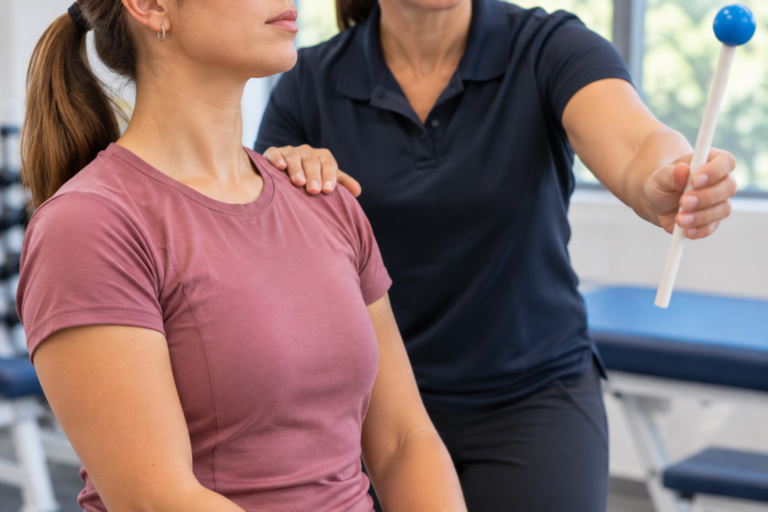
Before any hands-on work, the clinician has to figure out what's actually going on. That starts with questions about when the pain began, what eases it or makes it worse, and which activities the patient cares about most. Then comes a physical exam that checks joint range, muscle strength, posture, and the way the person squats, reaches, or runs. The aim is to find the source, which isn't always the spot that hurts. A sore shoulder, for instance, can trace back to a stiff upper back or weak muscles around the shoulder blade.
During the Hands-On Portion
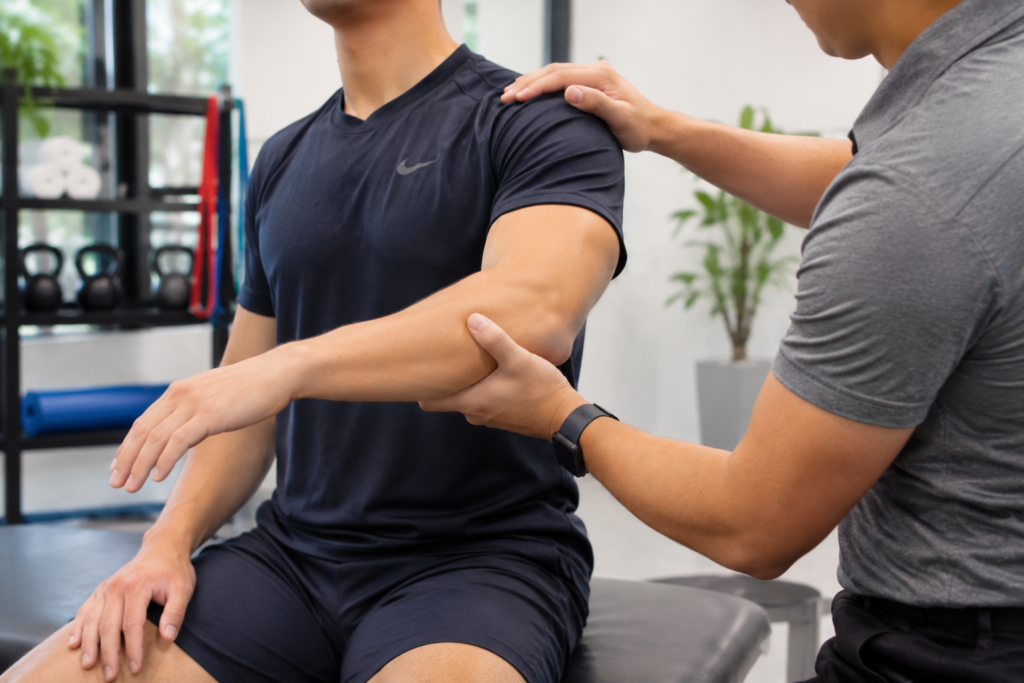
From there, the treatment is matched to what the exam turned up. That might mean soft tissue work on tight muscles, joint mobilization to get a stuck area moving, or assisted stretching to win back range. Talking during treatment matters. Some pressure and mild discomfort are normal, but sharp pain or pain that keeps building means it's time to adjust. Patients are often asked to move the area before and after a technique, so both people can tell if anything has changed.
Exercise Right After
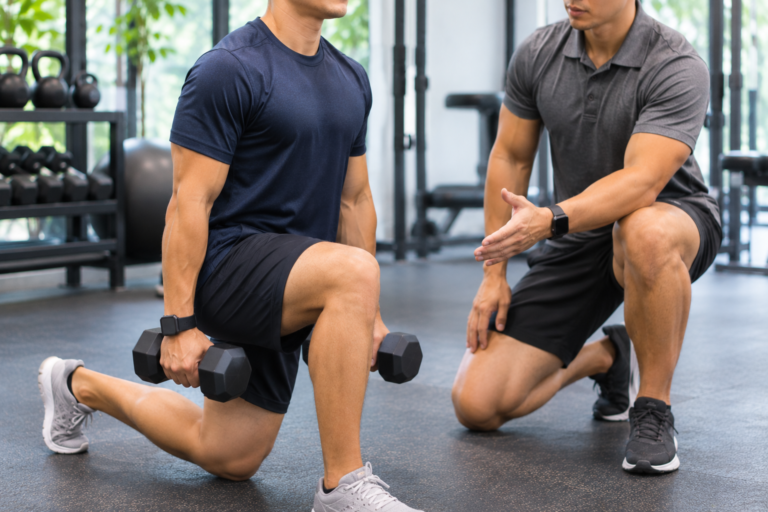
For anyone looking into Manual Therapy in Los Alamitos, CA, what happens after the hands-on work deserves just as much attention. Right after treatment, while the area moves more freely, the clinician usually walks the patient through a few targeted exercises that put that new range to use. These could be controlled mobility drills, stability work, or light strengthening. The same moves often turn into a short home program, since a few minutes of practice each day helps hold onto progress between visits. Over time, the exercises get harder so the body can handle full training again.
Tracking Real Progress
- Feeling looser after a session is a good sign, but real change shows up in ways that can be measured. A few markers worth watching:
- Less pain during everyday tasks and workouts
- More range of motion than at the first visit
- Better strength and control on specific tests
- Getting back to running, lifting, or sport without flare-ups
Feeling a little sore afterward can be normal, a lot like the day after a hard workout. As progress builds, visits usually spread out and the focus shifts toward performance and staying injury-free.
Manual therapy works best as part of a clear plan with real checkpoints. A careful assessment, skilled hands-on work, and exercise that locks in the gains help active people in Los Alamitos recover and keep moving well long after treatment wraps up.